Sundarbans women find livelihood planting mangroves after tiger attacks: Modi in Mann Ki Baat
Synopsis
In his 138th Mann Ki Baat address, PM Modi spotlighted a quietly extraordinary story: widows of tiger-attack victims in West Bengal's Sundarbans are restoring mangrove forests and earning livelihoods in the process — turning personal tragedy into ecological and economic resilience in one of India's most vulnerable coastal regions.
Key Takeaways
PM Modi highlighted the story of women from Jharkhali , Sundarbans, in the 138th episode of Mann Ki Baat on 27 September 2026 .
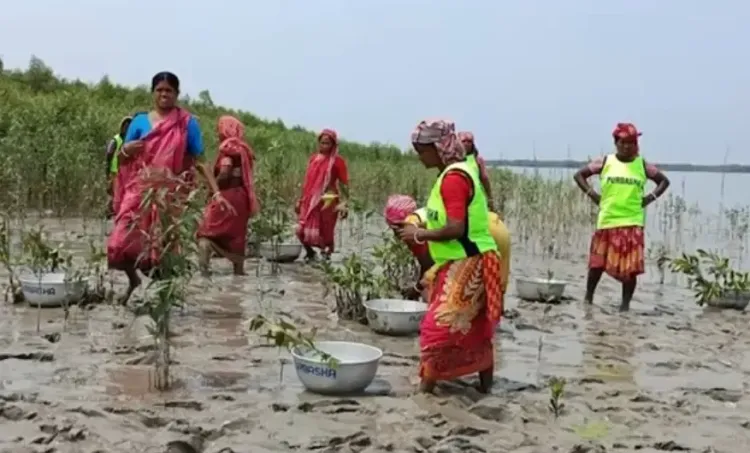
Most of these women lost their husbands to tiger attacks in the Sundarbans and have rebuilt their lives through mangrove plantation .
The mangroves are now serving as a natural shield for their villages against coastal hazards, while providing the women with a source of livelihood .
Modi also called for greater public participation in cleanliness drives ahead of Gandhi Jayanti on 2 October .
He urged citizens to protect the environment and respect the balance of nature as a responsibility towards future generations.
Prime Minister Narendra Modi, during the 138th episode of his monthly radio programme 'Mann Ki Baat' on Sunday, 27 September 2026, highlighted how women from Jharkhali in West Bengal's Sundarbans — most of whom lost their husbands to tiger attacks — have rebuilt their lives by planting and nurturing mangrove forests. The address underscored the intersection of environmental restoration and women's economic empowerment in one of India's most ecologically sensitive regions.
Women of Jharkhali: Turning Grief into Green Cover
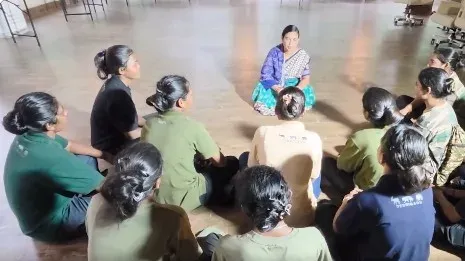
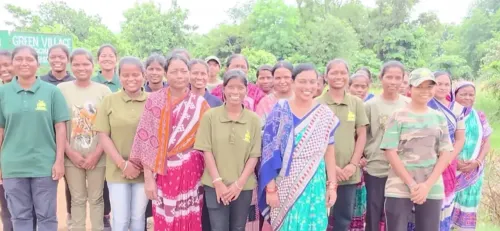
Modi spoke of the women of Jharkhali who, after losing their husbands in tiger attacks in the Sundarbans, turned to the very forest that had brought them tragedy. Rather than retreating from it, they began growing and restoring mangrove cover — a decision that has simultaneously revived their livelihoods and strengthened the ecological buffer around their villages.
"In Sundarbans of West Bengal, some women are setting an inspiring example of a special bond with nature. These women from Jharkhali are growing and restoring mangrove forests. Most of these are women whose husbands lost their lives in tiger attacks," Modi said during the broadcast.
He added that the mangroves planted by these women are now functioning as a natural shield for their villages, while also generating income for the planters. "The mangroves planted by these women are now becoming a natural shield for their villages. Moreover, by planting and caring for these mangroves, these women are also earning a livelihood," he noted.
Nature as a Source of Strength, Not Just a Resource
Modi framed the Sundarbans story within a broader philosophy of human-nature relationships, arguing that environmental care is not merely about conservation but can itself become a source of personal resilience. "Many times when we care for nature, it also becomes a source of support and strength for our lives," he said.
This message carries added weight in the context of the Sundarbans, a UNESCO World Heritage Site and home to the world's largest mangrove ecosystem, where communities have long lived under the dual pressures of human-wildlife conflict and climate-driven coastal erosion. Mangrove restoration has been recognised globally as a frontline defence against cyclones and rising sea levels — threats that are acutely felt in the low-lying delta region of West Bengal.
Gandhi Jayanti and the Cleanliness Push
Modi also used the Mann Ki Baat platform to highlight cleanliness drives being carried out by youth and communities across the country, connecting these efforts to the legacy of Mahatma Gandhi ahead of Gandhi Jayanti on 2 October.
"My dear countrymen, 2nd October is just a few days away. It is the birth anniversary of our revered Bapu. Bapu gave us many mantras for life. Cleanliness is one of them. We often see many efforts related to cleanliness around us. These efforts are very inspiring and encouraging," he said.
He noted that social media had amplified the reach of such grassroots cleanliness initiatives, with pictures, videos, and reels drawing widespread public attention. The Prime Minister called for greater collective participation, arguing that individual initiatives have the power to inspire wider community involvement — a recurring theme in his Swachh Bharat messaging.
What This Signals
The spotlight on Jharkhali's women is notable on multiple fronts. It brings national visibility to a community that has rarely featured in mainstream policy discourse, while reinforcing the government's narrative of women-led grassroots conservation. Critics and environmental advocates, however, note that systematic policy support — in the form of formal wage structures, land rights, and social security for tiger-attack widows — remains patchy in the Sundarbans region. The Mann Ki Baat mention, they argue, must translate into institutional backing for it to achieve lasting impact.
With Gandhi Jayanti days away and the monsoon season drawing to a close, Modi's dual focus on ecological restoration and cleanliness appears designed to build momentum for both environmental and civic engagement at the grassroots level.
Point of View
But Mann Ki Baat visibility is not a policy intervention. Tiger-attack widows in the Sundarbans occupy one of the most legally and ecologically complex zones in India — where forest rights, compensation frameworks, and social security schemes have historically struggled to reach. Mangrove planting as livelihood is promising, but without formalised wage guarantees, carbon credit access, or land tenure security, it remains an informal coping mechanism dressed up as empowerment. The real question is whether this national spotlight converts into a dedicated scheme for Sundarbans communities — or whether it remains an inspirational vignette that policy does not follow up on.
NationPress
27 Sept 2026
Frequently Asked Questions
What did PM Modi say about Sundarbans women in Mann Ki Baat?
PM Modi highlighted women from Jharkhali in West Bengal's Sundarbans who lost their husbands to tiger attacks and have since rebuilt their lives by planting and nurturing mangrove forests, earning a livelihood in the process. He described their work as an inspiring example of a special bond with nature.
What is the significance of mangrove plantation in the Sundarbans?
Mangroves in the Sundarbans serve as a natural barrier against cyclones, storm surges, and coastal erosion — threats that are intensifying due to climate change in the low-lying delta region. The restoration work by Jharkhali women thus has both ecological and economic value for their villages.
Which episode of Mann Ki Baat covered the Sundarbans story?
The Sundarbans mangrove story was featured in the 138th episode of Mann Ki Baat, broadcast on Sunday, 27 September 2026. PM Modi also spoke about cleanliness initiatives and the upcoming Gandhi Jayanti on 2 October during the same episode.
Why did PM Modi mention Gandhi Jayanti in Mann Ki Baat?
With Gandhi Jayanti falling on 2 October, PM Modi recalled Mahatma Gandhi's emphasis on cleanliness and urged greater public participation in sanitation and cleanliness drives across the country. He noted that grassroots efforts visible on social media were already an encouraging sign.
Who are the women of Jharkhali mentioned by PM Modi?
The women of Jharkhali are residents of a community in the Sundarbans, West Bengal, most of whom lost their husbands to tiger attacks. They have taken up mangrove plantation and forest restoration as both a livelihood activity and a means of protecting their villages from natural hazards.