Did the Supreme Court Really Ban Photos and Videos in Its High Security Zone?
Synopsis
In response to recent bomb threats, the Supreme Court has enforced a strict ban on photography and videography in its high security zone. This significant move aims to enhance safety measures while regulating media activities. Discover the implications of this directive and the surrounding circumstances that led to its implementation.
Key Takeaways
Photography and videography banned in Supreme Court's high security zone.
Security personnel are authorized to enforce this ban.
Media activities are to be conducted in designated low security areas.
Violations may result in a one-month access suspension.
Bar Associations must act against any rule breaches.
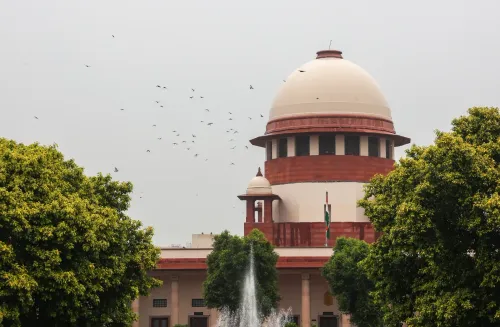
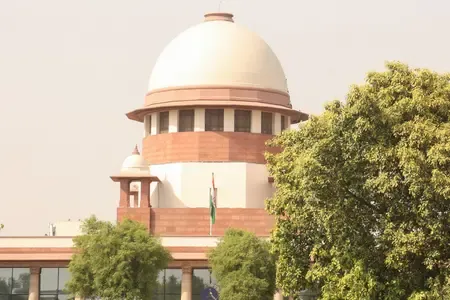
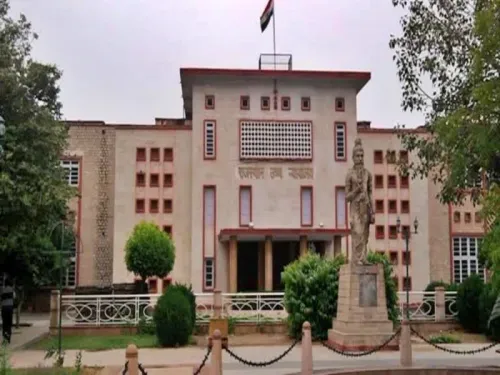
New Delhi, Sep 12 (NationPress) Following the recent bomb threats targeting courts, the Supreme Court has implemented a ban on photography and videography using mobile devices within its high security zone, an official disclosed on Friday.
A circular issued on September 10 empowers security personnel to prohibit any individual, including staff members, advocates, or others, from capturing photos or videos in the designated high security area.
To manage media operations on the Supreme Court's main grounds, the circular outlines that media personnel are to conduct interviews and broadcast news live at their assigned location in the low security zone.
“Should media personnel breach these guidelines, their access to the High Security Zone may be suspended for one month,” the circular stated.
The Supreme Court has also instructed the Bar Association or the State Bar Council to take necessary measures if any Advocate, Litigant, Intern, or Law Clerk disobeys these regulations.
“Any infringement of these guidelines by Registry staff will be taken very seriously, and for other stakeholders, the relevant department head will be asked to impose disciplinary measures according to their protocols,” the circular added.
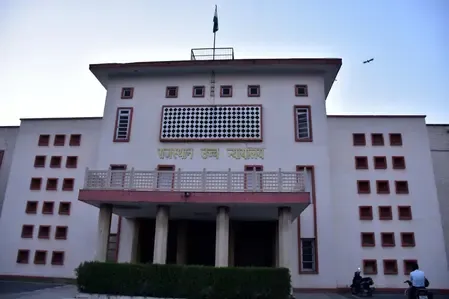
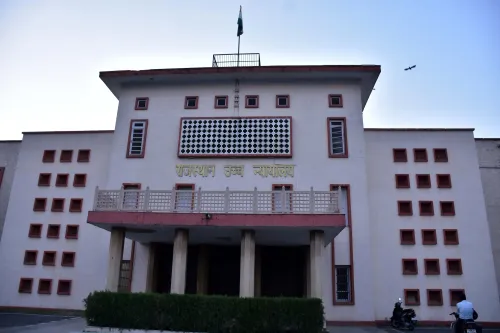
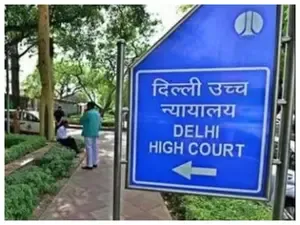
This directive from the apex court to limit photography emerged on a day when hoax bomb threats to the Delhi High Court and Bombay High Court sparked widespread alarm.
Operations were disrupted as courtrooms were evacuated, and bar associations urged lawyers to take safety precautions.
The Delhi High Court received a bomb threat via email, leading to the suspension of all hearings and the evacuation of the court premises.
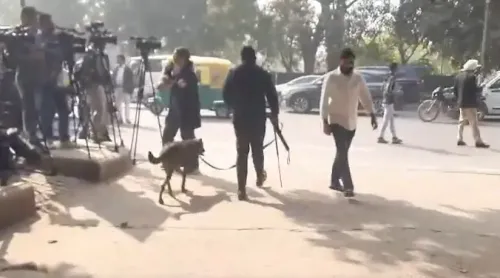
The Delhi Police dispatched a bomb detection and disposal team, cordoning off the area until the threat was confirmed as a hoax.
The email, sent under the alias 'Kanimozhi Thevidiya', warned that the judge's chamber in the High Court would “detonate shortly” and suggested an attempt to “recreate” the 1998 Coimbatore blasts in Patna with the involvement of the ISI.
Point of View
It is essential to recognize that the Supreme Court's decision reflects a necessary response to security challenges faced by judicial institutions. The balance between safeguarding the court's integrity and maintaining transparency in legal proceedings is delicate. The NationPress stands firm in its belief that while security measures are paramount, they must not compromise the fundamental principles of justice and public access.
NationPress
20 Sept 2026
Frequently Asked Questions
What prompted the Supreme Court to ban photography in its high security zone?
The ban was enforced following recent bomb threats directed at courts, aimed at enhancing security and preventing potential risks.
What are the consequences for media personnel who violate the new guidelines?
Media personnel found violating these guidelines may face a restriction of access to the High Security Zone for a period of one month.
How will the Supreme Court ensure compliance with the new regulations?
The Supreme Court has instructed the Bar Association and State Bar Council to take appropriate actions against any violators among advocates or interns.
What measures were taken following the bomb threats to the Delhi High Court?
Following the threats, all hearings were suspended, courtrooms were evacuated, and a bomb detection team was deployed.
What was the nature of the bomb threat received by the Delhi High Court?
The threat was communicated via email, claiming that the judge's chamber would detonate and suggesting a connection to past bombings.