Delhi BS-VI vehicles: Supreme Court favours restrictions
Synopsis
The Supreme Court favours allowing only BS-VI vehicles in Delhi and has discussed eventually keeping commercial vehicles out through a phased plan. Neither proposal is a formal order; NCR states have been directed to report their steps to reduce particulate pollution.
Key Takeaways
The Supreme Court said on 23 November that it favoured allowing only BS-VI vehicles in Delhi .
The bench led by Chief Justice of India Surya Kant also discussed eventually keeping commercial vehicles out of Delhi .
The court suggested border warehouses and smaller battery-operated or other non-polluting vehicles to carry goods into the city.
The bench said the proposed commercial vehicle arrangement might not be possible this year or next, and discussed a five-year horizon.
No formal direction was issued on either vehicle restriction; NCR states were directed to file reports on particulate pollution measures.
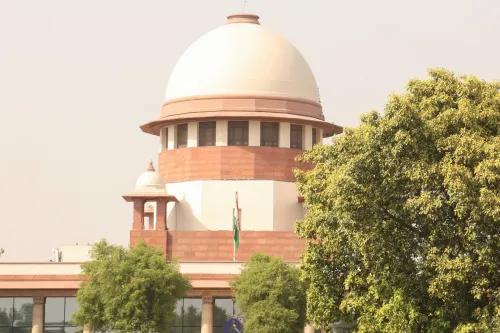
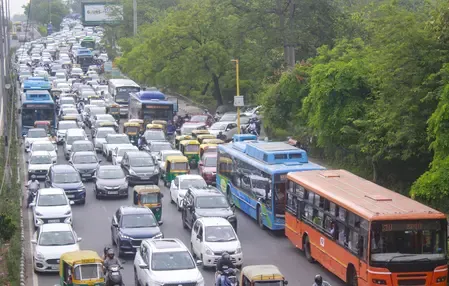
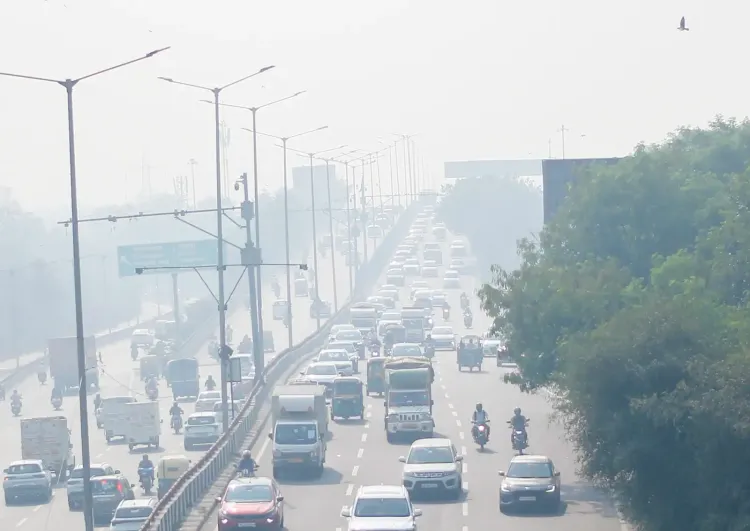
The Supreme Court on Monday, 23 November said it favoured allowing only Bharat Stage-VI (BS-VI) compliant vehicles in Delhi as it considered ways to address worsening air pollution in the National Capital Region (NCR). The court also discussed a phased plan to eventually keep commercial vehicles out of the capital, but issued no formal direction on either proposal.
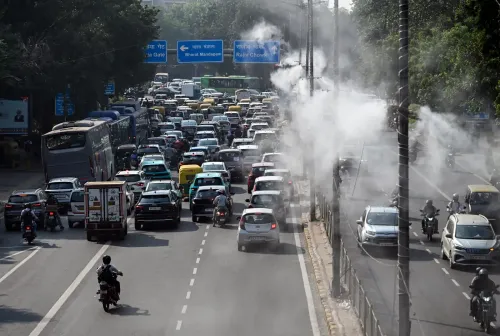
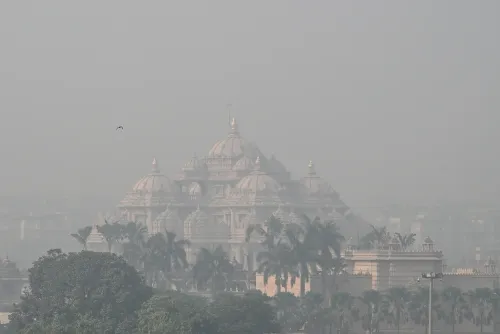
A bench comprising Chief Justice of India Surya Kant and Justices Joymalya Bagchi and V. Mohana said it would consider additional short-term and long-term measures to improve air quality in Delhi-NCR. It directed NCR states to file status reports on the steps they had taken to reduce particulate pollution.
What the court said about BS-VI vehicles
The bench made its position on vehicle emissions standards clear during oral observations, while leaving the geographical scope open. “We are clear that we will allow only BS-VI vehicles in Delhi, if not NCR,” the bench led by Chief Justice Surya Kant remarked.
The statement was an indication of the court's thinking, not an order imposing a new restriction. The court did not formally direct that non-BS-VI vehicles be barred from Delhi or the wider NCR.
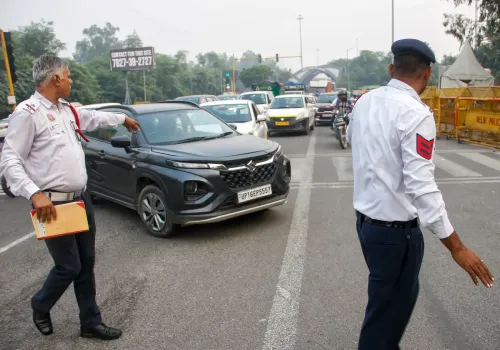
The distinction matters for vehicle owners and operators: the proposal could affect which vehicles are permitted into the capital if the court later translates it into a direction, but its observations did not establish an implementation date or specify how a restriction would operate.
Commercial vehicle proposal and border warehouses
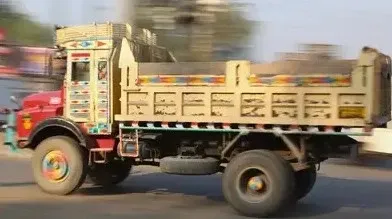
As a separate long-term measure, the bench considered whether commercial vehicles could eventually be kept out of Delhi. It suggested that goods could be unloaded at warehouses along the city's borders and taken onward by smaller battery-operated or other non-polluting vehicles.
“Why not have some arrangement at the border itself, with warehousing and stocking, so that some other battery-operated vehicles or non-polluting vehicles can bring the goods inside the city? This kind of arrangement may not be possible this year, or even next year. But why not have this during the next five years, to ensure that no single commercial vehicle enters Delhi?” the bench observed.
The court acknowledged that such an arrangement would need to be introduced in phases and that an immediate ban on commercial vehicles could have serious consequences. The proposed border transfers would change how consignments, including essential commodities, reach destinations inside the city.
Role of neighbouring states
The court called on neighbouring states, including Haryana, Punjab and Uttar Pradesh, to participate actively in addressing the air quality crisis. Its direction for status reports focused on measures taken by NCR states to reduce particulate pollution across the region.
That request places the measures being considered for Delhi alongside a wider regional response. The bench said it would examine both immediate and longer-term steps as part of the broader effort to tackle deteriorating air quality.
What happens next
The states' status reports will set out the action they have taken on particulate pollution. The court's discussions on vehicle standards, commercial traffic and border warehousing remain proposals rather than formal restrictions.
Any further decision on those suggestions will be considered as the Supreme Court continues its examination of measures for Delhi-NCR.
Point of View
And their practical boundaries remain undefined. Any future order should make compliance requirements clear and allow the public to assess both pollution outcomes and disruption to supply chains.
NationPress
23 Nov 2026
Frequently Asked Questions
What did the Supreme Court say about BS-VI vehicles in Delhi?
The Supreme Court said it favoured allowing only BS-VI compliant vehicles in Delhi, and possibly the wider NCR. It made the observation orally and did not issue a formal restriction.
Has the Supreme Court banned commercial vehicles in Delhi?
No, the Supreme Court did not impose a ban on commercial vehicles. It discussed a phased approach to eventually keeping them out of Delhi and cautioned that an immediate ban could have serious consequences.
How could goods enter Delhi under the court's proposal?
The court suggested unloading consignments at warehouses along Delhi's borders and moving them into the city using smaller battery-operated or other non-polluting vehicles. The arrangement remains a proposal.
Which states were asked to address NCR air pollution?
The court called on neighbouring states including Haryana, Punjab and Uttar Pradesh to participate in tackling the air quality crisis. It directed NCR states to file status reports on steps taken to reduce particulate pollution.
When would the proposed Delhi vehicle restrictions take effect?
No implementation date has been announced because the court did not issue a formal direction on either restriction. For the commercial vehicle proposal, the bench discussed a possible five-year horizon.