What Decision Will the Supreme Court Make on Bail Pleas of Sharjeel Imam and Umar Khalid?
Synopsis
As the Supreme Court prepares to evaluate the bail pleas of Sharjeel Imam and Umar Khalid concerning the controversial 2020 Delhi riots, significant discussions arise about national unity and constitutional values. With the stakes high, reactions from political leaders add layers to this evolving narrative. What implications could the court's ruling hold for the accused and the nation?
Key Takeaways
Supreme Court's decision will be binding on all parties involved.
Significant public sentiment around national unity and integrity.
Case involves serious allegations under the UAPA .
Accused have been in custody for over five years.
Prosecution claims a well-orchestrated conspiracy.
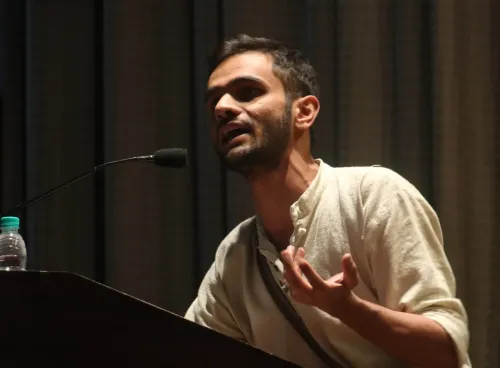
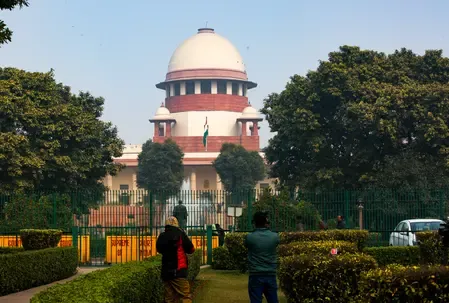
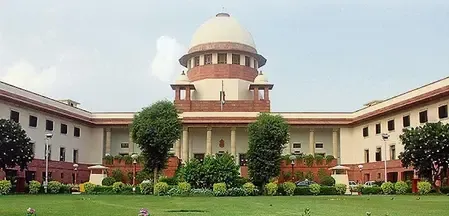
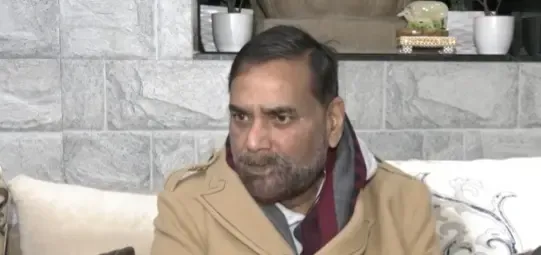
New Delhi, Jan 5 (NationPress) As the Supreme Court prepares to hear the bail petitions of Sharjeel Imam and Umar Khalid, connected to the 2020 Delhi riots, Rajeev Ranjan Prasad, the National Spokesperson for Janata Dal (United), expressed on Monday that the apex court's ruling will be definitive and must be respected by all stakeholders.
In an interview with IANS, Rajeev Ranjan Prasad emphasized that matters concerning the nation's sovereignty and integrity stir profound emotions among the citizens.
“Whenever issues arise regarding the unity and integrity of our nation, public sentiment strongly opposes such individuals. Today, the Supreme Court is set to hear their bail applications. As the highest judicial authority, any decision made will be conclusive and must be acknowledged by all parties,” he stated.
Uttar Pradesh Minister Sanjay Nishad also contributed his perspective, underlining the significance of adhering to the Constitution.
He remarked, “Our nation operates on the foundation of its Constitution, and it is imperative that everyone embraces it and collaborates to fortify the country. Citizens should reflect on how they can help in enhancing the nation's stature.”
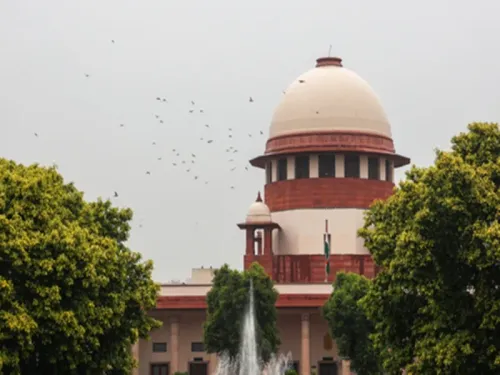
The Supreme Court is poised to deliver its verdict regarding the bail requests of Sharjeel Imam, Umar Khalid, and others who have contested the Delhi High Court's decision to deny them bail. This case involves allegations under the Unlawful Activities (Prevention) Act (UAPA) and is associated with a purported larger conspiracy linked to the 2020 north-east Delhi riots.
A bench comprised of Justices Aravind Kumar and N.V. Anjaria will also provide its judgment on the bail requests submitted by Gulfisha Fatima, Meeran Haider, Shifa Ur Rehman, Mohd Saleem Khan, and Shadab Ahmed. After a detailed review of arguments from all parties involved, the apex court had reserved its verdict on December 10.
During the proceedings, lawyers representing the accused primarily argued that there has been an unreasonable delay in the judicial process, and the trial is unlikely to commence soon. They noted that the accused have been in custody for over five years without progress in their trial despite facing grave allegations under the UAPA.
Furthermore, it was asserted that no substantial evidence exists to demonstrate that the accused incited violence or had a direct role in the riots, even after five years since their arrests.
In contrast, the Delhi Police argued against the bail petitions, claiming that the alleged offenses were a calculated attempt to undermine the state. The prosecution maintained that the riots were not spontaneous protests but part of a coordinated “pan-India” conspiracy aimed at “regime change” and “economic strangulation.”
Point of View
It is essential to uphold the principles of justice and constitutional integrity. The ongoing legal proceedings surrounding the bail pleas of Sharjeel Imam and Umar Khalid illustrate the delicate balance between safeguarding national sovereignty and ensuring fair legal representation. The focus remains on the judicial process, which must be respected to maintain public trust in the legal system.
NationPress
26 Sept 2026
Frequently Asked Questions
What is the significance of the Supreme Court's ruling?
The Supreme Court's decision will be binding on all parties involved and is crucial for upholding the principles of justice and constitutional integrity.
Who are Sharjeel Imam and Umar Khalid?
Sharjeel Imam and Umar Khalid are individuals associated with the 2020 Delhi riots case and are currently seeking bail from the Supreme Court.
What are the allegations against them?
They face serious allegations under the Unlawful Activities (Prevention) Act (UAPA) related to a larger conspiracy behind the riots.
What role does public sentiment play in this case?
Public sentiment concerning national unity and integrity is significant, as it influences perceptions around the case and the individuals involved.
What could be the implications of the court's decision?
The court's ruling could have far-reaching implications for the legal rights of the accused and the broader political landscape in India.