Swamy flags ECI voter deletion crisis in broadcast with Gopikrishnan

Synopsis
Dr. Subramanian Swamy and investigative journalist J Gopikrishnan took to a live X broadcast on 27 September 2026 to allege a structural crisis in how the Election Commission of India handles voter deletions, framing wrongful removal from electoral rolls as a denial of the constitutional right to vote.
Key Takeaways
Veteran politician Dr.
Subramanian Swamy and journalist J Gopikrishnan conducted a live X broadcast on 27 September 2026 titled 'Deleted from Democracy: The ECI's Voting Rights Crisis.' The broadcast challenges the Election Commission of India's management of electoral roll deletions under the Representation of the People Act, 1951 .
Critics and civil society groups have long raised concerns that large-scale deletion drives disproportionately affect marginalised voters who may not receive adequate notice.
Swamy has a documented history of pursuing electoral and institutional accountability through courts and Parliament.
The ECI had not issued a public response to the broadcast's claims at the time of publication.
Any parliamentary debate or judicial challenge following the broadcast could widen scrutiny of the Commission's roll-revision methodology.
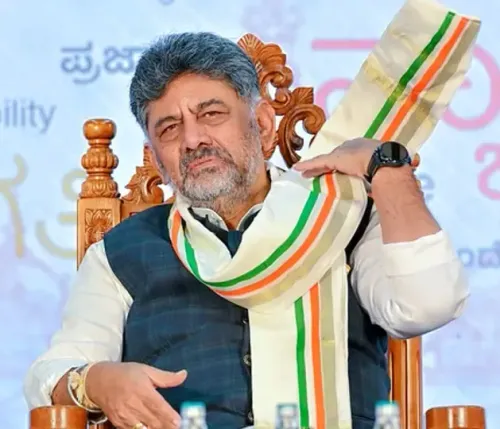
A question as old as Indian democracy — who gets to vote, and who quietly loses that right — has been thrust back into public view. Veteran politician Dr. Subramanian Swamy joined investigative journalist J Gopikrishnan on Sunday, 27 September 2026, for a live X broadcast titled 'Deleted from Democracy: The ECI's Voting Rights Crisis,' zeroing in on what they describe as a systemic failure in how the Election Commission of India (ECI) manages electoral roll deletions.
The broadcast's title alone lands a charge: that voters are not merely being removed from rolls through bureaucratic error, but that something more structural — a 'crisis' — has taken hold inside India's premier electoral authority. Dr. Swamy, a former Union Minister and long-serving Rajya Sabha MP who has repeatedly engaged with constitutional and electoral law, brought Gopikrishnan — a journalist with a track record of institutional investigations — to unpack the mechanics of voter deletion under the Representation of the People Act, 1951.
What the Representation of the People Act says about deletions
Under the Representation of the People Act, 1951, the ECI is empowered to revise, update and prune electoral rolls — removing names of deceased voters, those who have shifted constituencies, or citizens found to be ineligible. The process is meant to keep rolls accurate. Critics, however, have long argued that the safeguards against wrongful deletion are inadequate, and that large-scale clean-up drives can strip legitimate voters — disproportionately from marginalised communities — of their franchise before they realise it has happened. Periodic controversies over electoral roll accuracy are not new in India. Civil society groups and opposition parties have at various points flagged unexplained drops in voter counts in specific constituencies, demanding transparency from the ECI over its deletion methodology and the notice mechanisms it deploys before a name is struck off.Swamy and Gopikrishnan: a forensic pairing on institutional accountability
The choice of interlocutor matters here. Dr. Swamy has a long history of pursuing institutional accountability through courts and Parliament, and has filed public interest litigation on issues ranging from financial fraud to electoral integrity. Gopikrishnan's investigative background adds a document-and-data dimension to what could otherwise remain a political assertion. Together, their framing — 'deleted from democracy' — elevates a procedural grievance into a fundamental rights argument: that losing one's name from an electoral roll is not a clerical inconvenience but a denial of the constitutional right to vote. The ECI has not responded publicly to the broadcast's specific claims. Any follow-up — whether a clarification from the Commission, a parliamentary question, or a judicial challenge — will determine whether this broadcast marks the opening of a wider national conversation on electoral roll integrity ahead of future elections.Point of View
Making it harder for the Commission to respond with technocratic deflection alone. Gopikrishnan's participation signals that the claim may be backed by documentary evidence, which would shift the burden onto the ECI to publish deletion data disaggregated by constituency and demographic. If either a parliamentary question or a PIL follows, the broadcast could mark the beginning of a formal accountability cycle on electoral roll management.
NationPress
27 Sept 2026
Frequently Asked Questions
What is the ECI's voter deletion crisis that Swamy is talking about?
Dr. Subramanian Swamy and journalist J Gopikrishnan allege in their September 2026 broadcast that the Election Commission of India has a systemic problem with its electoral roll deletion process — removing legitimate voters without adequate notice or safeguards, effectively denying them their right to vote.
How does the Election Commission remove voters from electoral rolls in India?
Under the Representation of the People Act, 1951, the ECI is authorised to revise electoral rolls by deleting names of deceased voters, those who have relocated, or ineligible persons. Critics argue the notice and appeal mechanisms before deletion are insufficient to protect genuine voters.
Who is J Gopikrishnan and why is he significant in this broadcast?
J Gopikrishnan is an Indian journalist known for investigative reporting on political and institutional matters. His involvement in the broadcast alongside Dr. Swamy suggests the voter deletion claims may be supported by documented or data-driven evidence.
Has the Election Commission of India responded to Swamy's voter deletion claims?
As of the broadcast on 27 September 2026, the ECI had not issued a public response to the specific claims raised by Dr. Swamy and J Gopikrishnan.
Can a voter challenge their removal from the electoral roll in India?
Yes. Voters who discover their name has been removed can file a complaint with the Electoral Registration Officer of their constituency or approach a court. However, the process can be slow and many voters may not realise they have been deleted until they arrive at a polling booth.