Swamy Slams Exam, Results & Jobs Fiasco Hitting Indian Youth
Synopsis
Dr. Subramanian Swamy on June 7, 2026 posted a three-part critique on X — 'Exams Fiasco, Results Fiasco, Jobs Fiasco' — spotlighting systemic failures in India's competitive examinations and formal employment landscape that he says are shattering the dreams of Indian youth.
Key Takeaways
Subramanian Swamy , former Union Minister and Rajya Sabha MP, declared India's examination, results, and jobs systems a simultaneous fiasco on June 7, 2026 .
India has seen recurring controversies over national-level competitive exam integrity, including alleged paper leaks, delays, and result disputes.
The National Education Policy 2020 and Skill India Mission (2015) were designed to address education reform and youth employability but critics say structural gaps persist.
India's 'jobless growth' debate has made government recruitment examinations the primary aspiration channel for crores of young job seekers.
Parliamentary budget session discussions on education and employment, and upcoming recruitment exams in 2026 , will be key indicators of whether institutional reform follows political pressure.
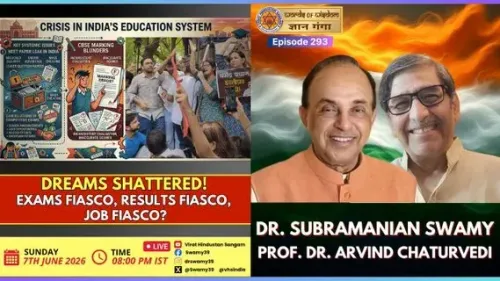
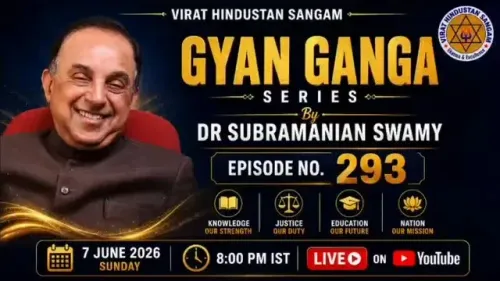
Veteran politician Dr. Subramanian Swamy, former Union Minister and Rajya Sabha MP, on Sunday, June 7, 2026, took to X to issue a sharp three-part indictment of India's education and employment ecosystem, declaring that the dreams of young Indians are being shattered by simultaneous failures in examinations, results, and job creation.
Context
In a terse but pointed post, Dr. Swamy wrote: 'Dreams Shattered! Exams Fiasco, Results Fiasco, Jobs Fiasco.' The compressed formulation — three consecutive failures listed in sequence — signals a systemic critique rather than a reaction to any single incident. The post arrives at a moment when competitive examination integrity and youth unemployment have become flashpoints in public discourse across India.
Dr. Swamy has a long track record of using social media to flag governance failures, often preceding or amplifying parliamentary debates. His framing of the crisis as 'shattered dreams' directly invokes the aspirations of millions of young Indians who depend on government recruitment examinations and formal-sector hiring as primary ladders of upward mobility.
Policy Backdrop
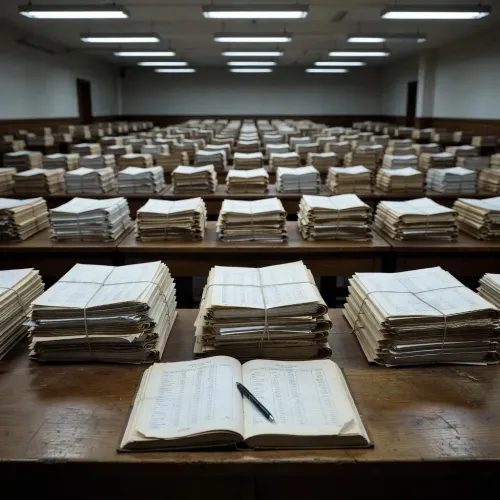
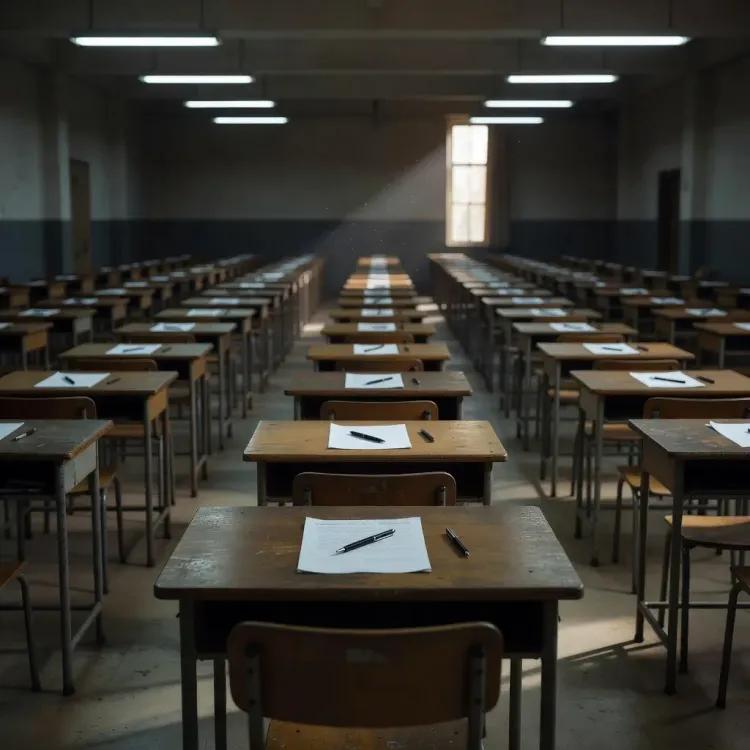
India has witnessed a pattern of recurring controversies around national-level competitive examinations — including delays, alleged paper leaks, and disputes over result tabulation — conducted by central and state recruitment bodies. These incidents have repeatedly drawn protests from student groups and opposition politicians alike.
The National Education Policy (NEP) 2020 was introduced to reform examination patterns and restructure higher education, while the Skill India Mission, launched in 2015, aimed to improve youth employability through targeted training. Critics argue that neither initiative has yet resolved the structural mismatch between the number of qualified candidates and the volume of formal-sector vacancies available each year.
India's labour market debate has intensified around what economists describe as 'jobless growth' — periods of robust GDP expansion that do not translate into proportionate formal employment gains. This backdrop makes examination integrity doubly consequential: government jobs remain among the most sought-after outcomes for crores of aspirants who see few equivalent private-sector alternatives.
Stakeholders and Impact
The primary stakeholders are India's student population and youth job aspirants — a demographic that numbers in the hundreds of millions and whose economic anxieties carry significant electoral weight. Families that invest years of preparation time and financial resources in coaching and examination fees bear a disproportionate cost when processes fail.
Political parties across the spectrum have periodically spotlighted examination controversies to mobilise youth constituencies. Dr. Swamy's post, coming from a veteran figure with cross-party credibility on governance issues, adds institutional weight to a critique that student unions and civil society groups have been voicing at the ground level.
Recruitment bodies, examination regulators, and the ministries of Education and Labour are the institutional actors whose conduct is implicitly questioned. Pressure from senior politicians typically accelerates parliamentary scrutiny and demands for administrative accountability.
What's Next
Upcoming budget session parliamentary discussions on education and employment allocations are expected to provide a formal arena for these concerns to be debated. Several major recruitment examinations are also scheduled later in 2026, and their conduct will be closely watched by student groups, civil society monitors, and opposition benches.
If the pattern of examination and hiring failures continues without credible institutional reform, the political cost to the ruling establishment is likely to grow — particularly as India's youth bulge reaches peak working age and expectations of government-facilitated opportunity remain high.
Point of View
Result credibility, and job availability — into a single political charge sheet, signalling that he views these not as isolated incidents but as a systemic governance breakdown. The timing is significant: as India approaches a period of heightened electoral sensitivity and budget deliberations, senior politicians framing youth frustration in such stark terms can accelerate legislative scrutiny and force administrative responses. The 'shattered dreams' rhetoric taps directly into the aspirational anxiety of India's demographic dividend generation, a constituency no party can afford to alienate. If the critique gains traction, it could sharpen the opposition's parliamentary strategy on education and employment allocations in the months ahead.
NationPress
19 Sept 2026
Frequently Asked Questions
What did Subramanian Swamy say about exams and jobs in June 2026?
Dr. Subramanian Swamy posted on X on June 7, 2026 calling India's examination processes, results systems, and job creation a triple fiasco, saying young Indians' dreams are being shattered.
What is the exam fiasco in India that politicians are talking about?
India has seen a recurring pattern of controversies in national-level competitive examinations, including alleged paper leaks, result delays, and disputes over tabulation, which have triggered protests from students and criticism from politicians across parties.
How does India's jobs crisis relate to examination failures?
Because formal private-sector employment growth has not kept pace with the number of qualified graduates, government recruitment exams are the primary opportunity channel for crores of aspirants — making exam failures doubly damaging to youth prospects.
What is the National Education Policy 2020 and has it fixed India's exam problems?
The National Education Policy 2020 was introduced to reform examination patterns and restructure higher education, but critics argue implementation gaps mean recurring integrity and structural issues in competitive examinations remain unresolved.
What happens next after Swamy's criticism of India's education and jobs system?
Parliamentary budget session discussions on education and employment allocations, along with the conduct of major recruitment examinations scheduled later in 2026, will be the key tests of whether political pressure translates into institutional reform.