Swamy Flags Jobs, Exams, Results Fiasco in New Discussion
Synopsis
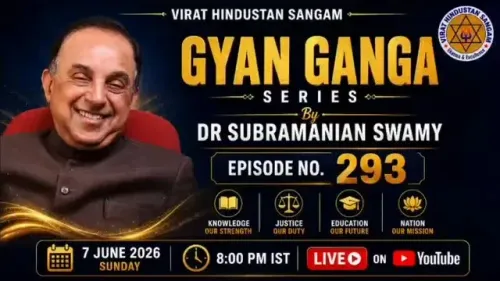
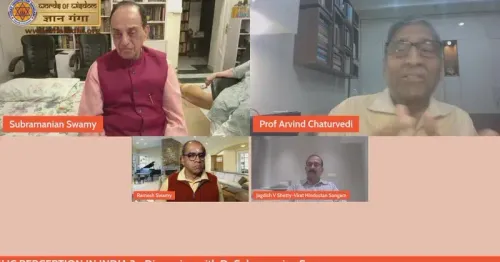
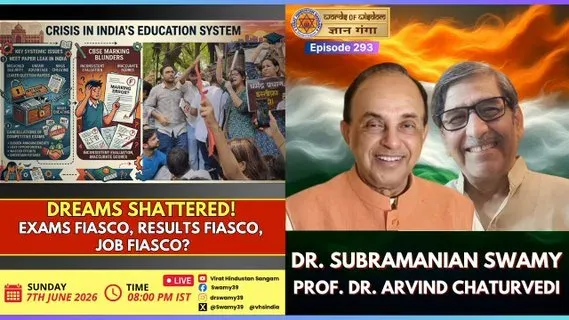
Dr. Subramanian Swamy on June 7, 2026 shared a public discussion with Prof Dr Arvind Chaturvedi on India's recurring failures in job recruitment, examination conduct, and result delivery — amplifying long-standing governance concerns affecting millions of aspirants.
Key Takeaways
Subramanian Swamy shared a discussion with Prof Dr Arvind Chaturvedi on June 7, 2026 flagging a 'Jobs Fiasco, Exams Fiasco, Results Fiasco.' The critique targets the administrative machinery of India's large-scale public recruitment and examination ecosystem.
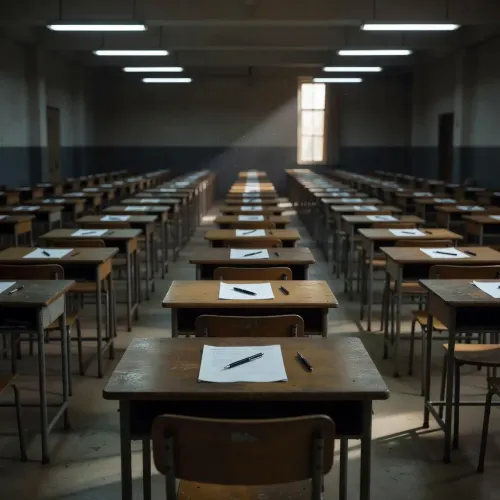
India's public examination bodies have faced documented complaints of question-paper leaks, delays, and opacity over multiple years.
Millions of students and job aspirants are directly affected by systemic failures in exam conduct and result timelines.
Parliamentary committees have previously called for technological safeguards and independent audits of recruitment bodies.
The discussion may fuel fresh demands for parliamentary questions and committee scrutiny on exam reform in upcoming sessions.
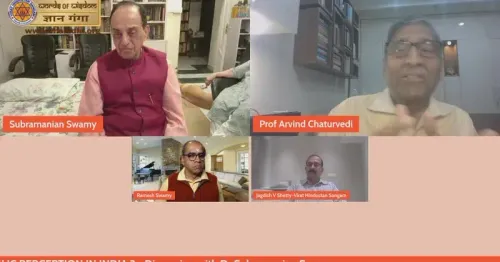
Veteran politician Dr. Subramanian Swamy, former Union Minister and Rajya Sabha MP, on Sunday, June 7, 2026, shared a public discussion with academic Prof Dr Arvind Chaturvedi focused on what he termed a triple fiasco — in jobs, examinations, and results — pointing to deepening governance concerns around India's public recruitment ecosystem.
Context
Dr. Swamy's post, shared via his official X handle, links to a live discussion with Prof Dr Arvind Chaturvedi, an academic with a track record of engaging in public discourse on employment and examination systems. The framing — 'Jobs Fiasco, Exams Fiasco, Results Fiasco' — signals a sweeping critique of the administrative machinery governing large-scale public recruitment in India, rather than a single isolated incident.
The discussion arrives at a time when youth unemployment and the integrity of competitive examinations remain politically charged topics. Opposition voices and civil society groups have, over several years, raised concerns about delays, irregularities, and a lack of transparency in recruitment processes conducted by central bodies.
Policy Backdrop
India's public examination and recruitment architecture — spanning bodies that conduct competitive tests for millions of aspirants each year — has faced recurring parliamentary and public scrutiny. Documented complaints of question-paper leaks, delayed result declarations, and opaque selection criteria have periodically surfaced, prompting calls for systemic reform.
Parliamentary committees have, on multiple occasions before 2023, flagged the need for technological safeguards and independent audit mechanisms in exam administration. The broader pattern, analysts note, reflects a structural gap between the scale of demand from job aspirants and the administrative capacity of recruitment bodies to deliver credible, timely outcomes.
Dr. Swamy has consistently used parliamentary platforms and public commentary to highlight governance deficits in economic and employment-linked policy, making this discussion consistent with his long-standing advocacy on the subject.
Stakeholders and Impact
The primary stakeholders are millions of students and job aspirants across India who depend on public examinations as the principal gateway to government employment. Any systemic failure — whether in exam conduct, result processing, or recruitment timelines — directly delays livelihoods and amplifies economic anxiety among young Indians.
For the government, persistent criticism from veteran politicians and academics on this front adds pressure to demonstrate measurable reform. Prof Dr Chaturvedi's participation lends an academic dimension to the critique, potentially broadening its reach beyond partisan political commentary.
What's Next
The discussion is likely to feed into ongoing demands for parliamentary questions and committee reports on exam reforms and recruitment timelines in upcoming legislative sessions. Civil society groups and student organisations have previously used such public interventions to build momentum for policy change.
Whether the government responds with concrete administrative measures — such as independent oversight of examination bodies or statutory timelines for result declaration — will determine how this conversation translates from commentary into policy action.
Point of View
Exams Fiasco, Results Fiasco' is a deliberate rhetorical escalation, designed to collapse three distinct administrative failures into a single governance indictment. By partnering with an academic rather than a political figure, he signals an attempt to move the conversation beyond partisan point-scoring toward structural critique. This fits a broader arc in Indian opposition politics where employment and examination integrity have become potent electoral wedge issues, particularly among the large and vocal community of competitive exam aspirants. The key question is whether such public pressure translates into concrete legislative or administrative action, or remains confined to the commentary cycle.
NationPress
24 Sept 2026
Frequently Asked Questions
What did Subramanian Swamy say about the jobs and exams fiasco?
Dr. Subramanian Swamy shared a discussion with Prof Dr Arvind Chaturvedi on June 7, 2026, describing India's public recruitment and examination situation as a triple fiasco — covering jobs, exams, and results — pointing to systemic governance failures affecting job aspirants.
Who is Prof Dr Arvind Chaturvedi?
Prof Dr Arvind Chaturvedi is an academic who has participated in public discussions on employment and examination systems in India, and joined Dr. Swamy in this June 2026 conversation on recruitment governance.
What are the main problems with India's public examination system?
India's public examination bodies have faced recurring issues including alleged question-paper leaks, delayed result declarations, and opaque selection processes, prompting repeated calls for reform from parliamentarians and civil society.
How does the exam fiasco affect Indian youth?
Millions of students and job aspirants rely on public examinations as the primary route to government employment; systemic failures directly delay livelihoods and contribute to youth unemployment and economic anxiety.
What reforms have been proposed for India's recruitment exam system?
Parliamentary committees have previously recommended technological safeguards, independent audit mechanisms, and statutory timelines for result declarations to improve the credibility and efficiency of public recruitment examinations.