Swamy Seeks Blessings at Kamakshi Temple Kumbha Abhishekam
Synopsis
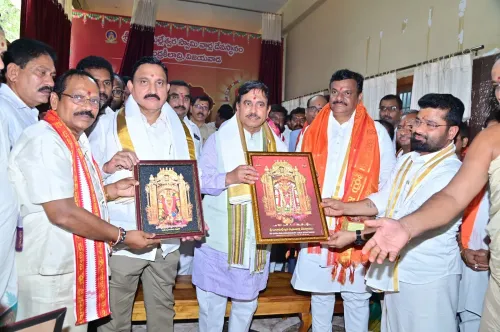
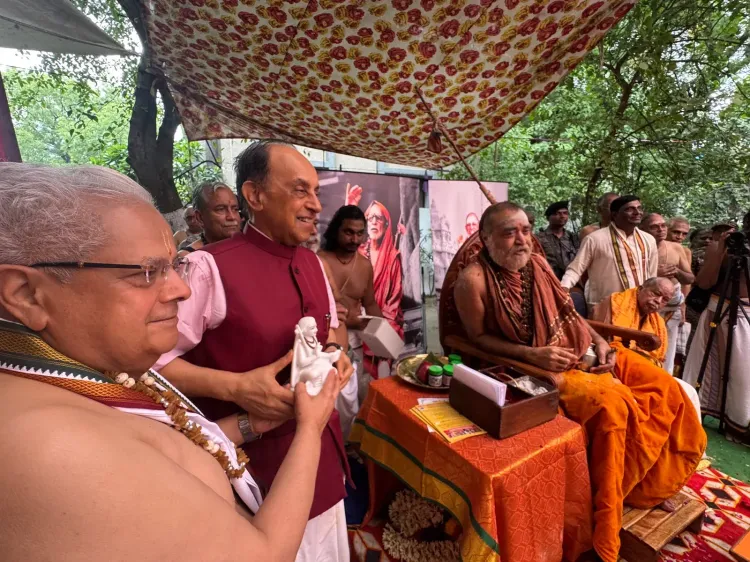
Veteran politician Dr. Subramanian Swamy attended the Kumbha Abhishekam of Sri Devi Kamakshi Temple in New Delhi on 5 July 2026, seeking blessings from His Holiness Sri Sankaracharya Vijayendra Saraswati Ji of the revered Kanchi Kamakoti Peetham.
Key Takeaways
Subramanian Swamy , former Union Minister and Rajya Sabha MP, attended the Kumbha Abhishekam of Sri Devi Kamakshi Temple, New Delhi on 5 July 2026 .
He sought the blessings of His Holiness Pujya Sri Sankaracharya Vijayendra Saraswati Ji of Sri Kanchi Kamakoti Peetham at the event.
The Kumbha Abhishekam is a major Hindu consecration ritual marking a spiritually significant occasion for a temple and its devotees.
Sri Kanchi Kamakoti Peetham is one of the four principal monastic institutions established in the lineage of Adi Shankaracharya , focused on Advaita Vedanta and Vedic traditions.
The event reflects the longstanding pattern of Indian public figures participating in prominent Hindu institutional ceremonies.
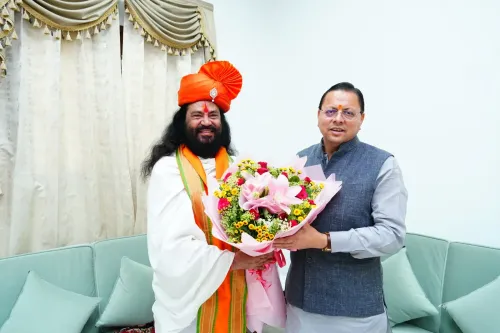
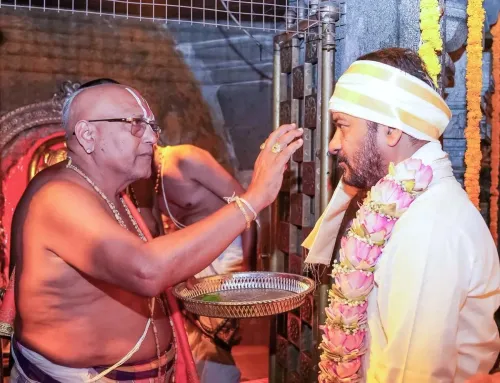
Veteran politician Dr. Subramanian Swamy, former Union Minister and Rajya Sabha MP, attended the Kumbha Abhishekam of Sri Devi Kamakshi Temple in New Delhi on Sunday, 5 July 2026, where he sought the blessings of His Holiness Pujya Sri Sankaracharya Vijayendra Saraswati Ji of Sri Kanchi Kamakoti Peetham.
Context
Dr. Swamy shared his participation in the sacred consecration ceremony on social media, noting that he sought the blessings of the Shankaracharya of Kanchi Kamakoti Peetham during the event. The Kumbha Abhishekam is a significant Hindu ritual of temple consecration or re-consecration, involving the ceremonial bathing of the presiding deity's idol with sacred water from a consecrated pot, marking a spiritually auspicious occasion for devotees.
The Sri Devi Kamakshi Temple in New Delhi is dedicated to Goddess Kamakshi, a form of the Divine Mother particularly venerated in the Shaivite and Shakta traditions associated with the Kanchi Kamakoti Peetham.
Policy Backdrop
Sri Kanchi Kamakoti Peetham is one of the foremost Hindu monastic institutions in India, tracing its lineage to Adi Shankaracharya, the eighth-century philosopher-saint who established the Advaita Vedanta tradition. The Peetham has long been a custodian of Vedic learning, temple traditions, and Sanskrit scholarship across the subcontinent.
His Holiness Sri Sankaracharya Vijayendra Saraswati Ji is the current head of the Peetham and commands deep reverence among Hindu communities across India and the diaspora. The Peetham's outreach through temple consecrations in cities including New Delhi reflects its active role in sustaining Vedic heritage in urban centres.
Stakeholders and Impact
Indian public figures across the political spectrum routinely participate in temple consecration ceremonies to affirm cultural and religious ties. Such participation at events associated with institutions of the stature of Kanchi Kamakoti Peetham carries both devotional and symbolic significance for Hindu devotees and temple trusts nationwide.
For the community of devotees associated with the Sri Devi Kamakshi Temple and the broader network of Kanchi-affiliated institutions, the presence of a senior political figure like Dr. Swamy at the Kumbha Abhishekam underscores the continued intersection of political visibility and Hindu institutional life in contemporary India.
What's Next
The Kanchi Kamakoti Peetham continues to oversee temple consecrations and Vedic programmes at affiliated institutions across the country. Subsequent visits by political and cultural leaders to Kanchi-affiliated temples, and any related initiatives on heritage conservation or temple governance, are expected to draw public attention in the months ahead.
Point of View
And his public acknowledgement of the Kanchi Shankaracharya's blessings, fits a well-established pattern of senior Indian politicians affirming ties with prominent Hindu religious institutions. The Kanchi Kamakoti Peetham carries exceptional moral authority among Hindu communities, and association with its events carries both devotional and political-cultural weight. This participation signals Dr. Swamy's continued engagement with Hindu institutional networks even outside formal legislative roles. It also reflects the broader trend of temple consecrations becoming significant civic events in urban India, drawing leaders from across public life.
NationPress
5 Oct 2026
Frequently Asked Questions
What is a Kumbha Abhishekam?
A Kumbha Abhishekam is a sacred Hindu ritual of temple consecration or re-consecration, in which the presiding deity's idol is ceremonially bathed with holy water from a consecrated pot. It is considered highly auspicious and is performed at intervals to spiritually renew a temple.
Who is Shankaracharya Vijayendra Saraswati Ji?
His Holiness Pujya Sri Sankaracharya Vijayendra Saraswati Ji is the current head of Sri Kanchi Kamakoti Peetham, one of the foremost Hindu monastic institutions in India tracing its lineage to the philosopher-saint Adi Shankaracharya.
Where is Sri Devi Kamakshi Temple located?
Sri Devi Kamakshi Temple is located in New Delhi and is dedicated to Goddess Kamakshi, a form of the Divine Mother closely associated with the Kanchi Kamakoti Peetham tradition.
Why did Subramanian Swamy attend the Kamakshi Temple event?
Dr. Subramanian Swamy attended the Kumbha Abhishekam at Sri Devi Kamakshi Temple in New Delhi to participate in the consecration ceremony and seek the blessings of His Holiness Sri Sankaracharya Vijayendra Saraswati Ji of Kanchi Kamakoti Peetham.
What is Sri Kanchi Kamakoti Peetham?
Sri Kanchi Kamakoti Peetham is one of the four cardinal Hindu monastic institutions established in the tradition of Adi Shankaracharya. It is headquartered in Kanchipuram, Tamil Nadu, and is dedicated to the preservation of Advaita Vedanta and Vedic scholarship.