CM Pema Khandu Congratulates Tai Tagak on Rajya Sabha Win
Synopsis
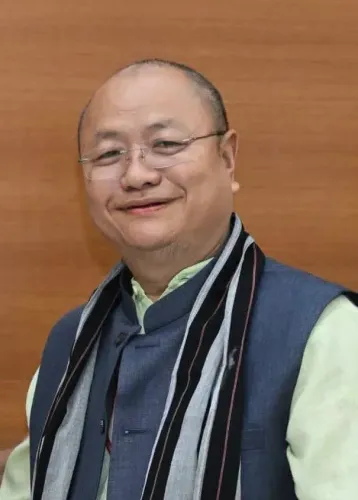
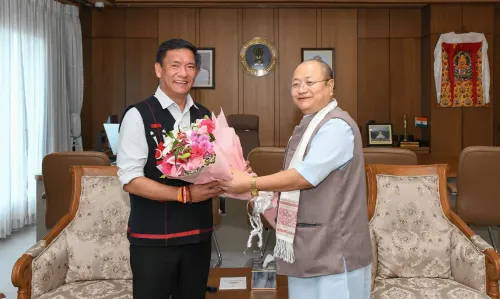
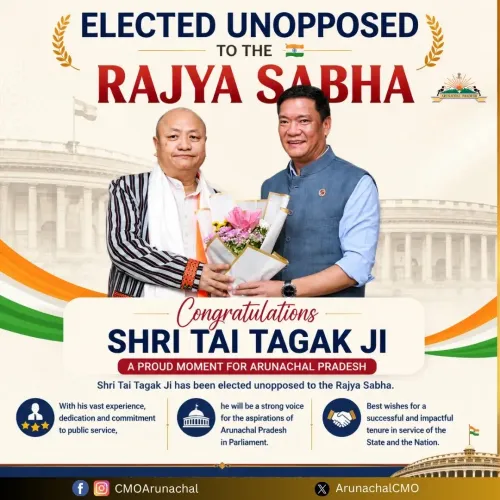
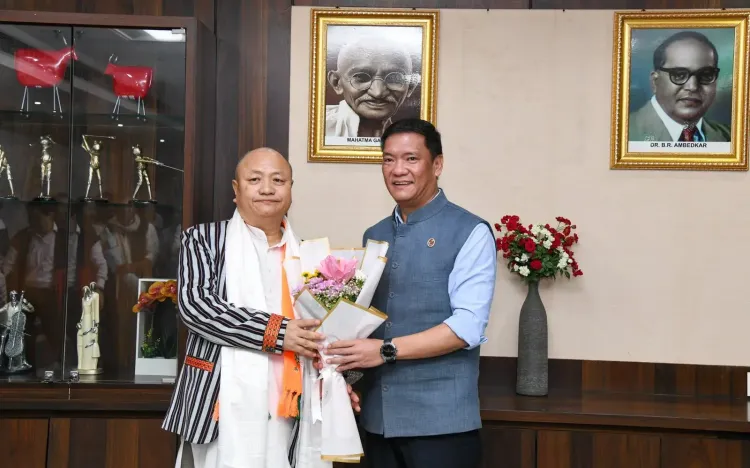
Arunachal Pradesh Chief Minister Pema Khandu congratulated Tai Tagak on June 11, 2026, after Tagak was elected unopposed to the Rajya Sabha. Khandu called it 'a proud moment' for the state and said Tagak's experience would strengthen Arunachal's voice in Parliament.
Key Takeaways
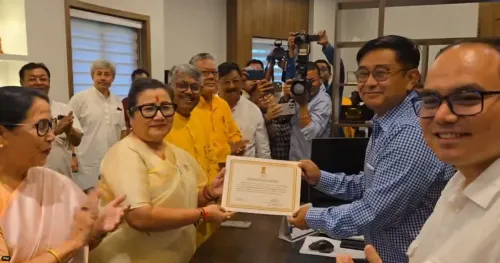
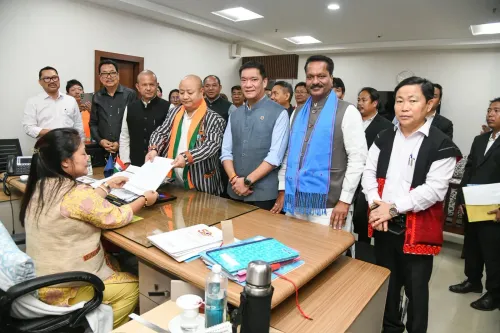
Tai Tagak was elected unopposed to the Rajya Sabha from Arunachal Pradesh on June 11, 2026 .
CM Pema Khandu publicly congratulated Tagak, calling the election 'a proud moment for Arunachal Pradesh.' Unopposed Rajya Sabha elections in small northeastern states typically reflect single-party dominance in the state assembly.
The BJP has governed Arunachal Pradesh since 2016 and has maintained continuous Rajya Sabha representation since then.
Tagak's maiden speech and committee assignments in the upcoming Parliament session will indicate his legislative priorities for the state.
Arunachal Pradesh Chief Minister Pema Khandu on Thursday, June 11, 2026 congratulated Tai Tagak on being elected unopposed to the Rajya Sabha, describing the development as 'a proud moment for Arunachal Pradesh.' The election sees Tagak carry the state's representation to the upper house of Parliament, where he will serve a six-year term.
Context
Tagak's election to the Rajya Sabha was secured unopposed, a pattern common in smaller northeastern states where a single party commands a decisive majority in the state legislative assembly. Arunachal Pradesh holds one Rajya Sabha seat, and elections are conducted by the state assembly whenever a sitting member's term expires, in line with the constitutional schedule of biennial retirements.
CM Khandu noted that Tagak has 'served the state with dedication over the years' and that his 'vast experience in public life will undoubtedly strengthen Arunachal Pradesh's voice in Parliament.' The Chief Minister expressed hope that Tagak's tenure would be 'marked by meaningful contributions towards the progress of our state and the nation.'
Policy Backdrop
The Bharatiya Janata Party has governed Arunachal Pradesh since 2016 and has maintained continuous representation in Parliament through the state's Rajya Sabha seat. Unopposed victories from small northeastern states frequently signal a pre-poll consensus among major parties represented in the assembly, reflecting the wider consolidation of single-party dominance in the region's legislative houses.
Rajya Sabha members are elected by state legislative assemblies, not directly by voters, making the composition of the state assembly the decisive factor. With the BJP-led coalition holding a strong majority in the Arunachal Pradesh Legislative Assembly, Tagak's unopposed election was a foreseeable outcome of that arithmetic.
Stakeholders and Impact
The election directly concerns the state's 60-member legislative assembly, whose members cast votes in Rajya Sabha polls. For the broader population of Arunachal Pradesh, the outcome determines who advocates for the state's interests — including infrastructure, border connectivity, and tribal welfare — in the upper house of Parliament.
Tagak's election is seen as an extension of the BJP's grip on northeastern representation at the national level. His entry into the Rajya Sabha adds to the party's numerical strength in the upper house, where the ruling alliance has been steadily consolidating its position over successive biennial elections.
What's Next
Political observers will watch for Tai Tagak's maiden speech and committee assignments when Parliament convenes for the monsoon or winter session. His initial portfolio of committee work will signal which policy domains — whether border affairs, tribal development, or northeastern infrastructure — he intends to prioritise for Arunachal Pradesh.
The broader pattern of BJP dominance in northeastern Rajya Sabha seats is expected to continue as long as the party retains its assembly majorities across the region, making each such unopposed election a marker of the party's sustained organisational strength in India's northeast.
Point of View
The public congratulation reinforces his role as the face of the state's political establishment at both the state and national level. The pattern of unopposed wins from the northeast signals a structural shift in how the region feeds into national parliamentary arithmetic, with implications for the ruling alliance's Rajya Sabha majority. Tagak's actual legislative impact will depend on how aggressively he pursues the state's specific concerns — border infrastructure, tribal rights, and connectivity — in committee rooms and on the floor of the upper house.
NationPress
22 Sept 2026
Frequently Asked Questions
Who is Tai Tagak and why was he elected to the Rajya Sabha?
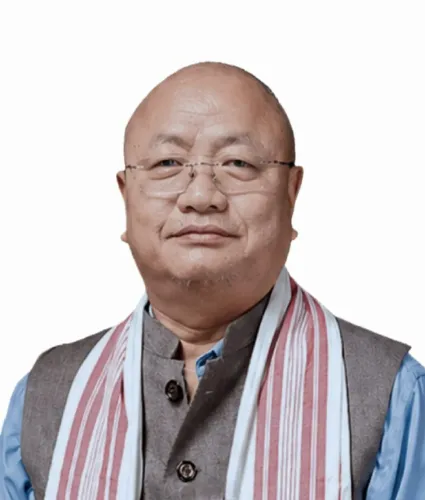
Tai Tagak is a politician from Arunachal Pradesh who was elected unopposed to the Rajya Sabha on June 11, 2026. He was fielded by the BJP, which commands a strong majority in the Arunachal Pradesh Legislative Assembly, making an unopposed result likely.
What does 'elected unopposed' to the Rajya Sabha mean?
An unopposed Rajya Sabha election means only one candidate filed a valid nomination and no voting was required. In small states where one party holds a decisive assembly majority, rival parties often do not field a candidate, knowing they cannot win.
How many Rajya Sabha seats does Arunachal Pradesh have?
Arunachal Pradesh has one Rajya Sabha seat. Members are elected by the state's legislative assembly for six-year terms, with elections held whenever a sitting member's term expires.
What is Pema Khandu's reaction to Tai Tagak's Rajya Sabha election?
Chief Minister Pema Khandu called the election 'a proud moment for Arunachal Pradesh' and said Tagak's experience in public life would strengthen the state's voice in Parliament. He extended warm congratulations and wished Tagak a productive tenure.
When will Tai Tagak take up his duties in the Rajya Sabha?
Tagak is expected to take his seat when Parliament next convenes, likely during the monsoon or winter session of 2026. His maiden speech and committee assignments will be closely watched as indicators of his legislative agenda for Arunachal Pradesh.