Tamil Nadu CM Vijay Inspects Chembarambakkam Lake Infrastructure
Synopsis
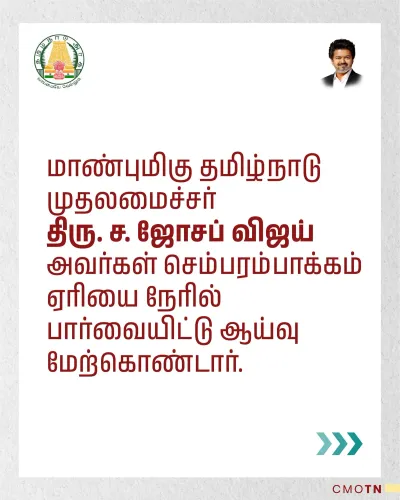
Tamil Nadu Chief Minister C. Joseph Vijay on 26 October 2026 personally inspected the sluice gates, intake tower, surplus weir and bund areas of Chembarambakkam Lake in Kancheepuram district — a reservoir central to Chennai's drinking water supply and flood management.
Key Takeaways
Joseph Vijay conducted an on-site inspection of Chembarambakkam Lake on 26 October 2026 .
The inspection covered the sluice gates, intake tower, surplus weir and bund areas of the reservoir.
Chembarambakkam Lake is located in Kancheepuram District and is a primary drinking water source for Chennai.
The visit follows a pattern of CM-level reservoir reviews established after the 2015 Chennai floods .
The inspection comes during the northeast monsoon season , when reservoir management is most consequential.
Any subsequent announcements on maintenance works or water release protocols are being closely watched.
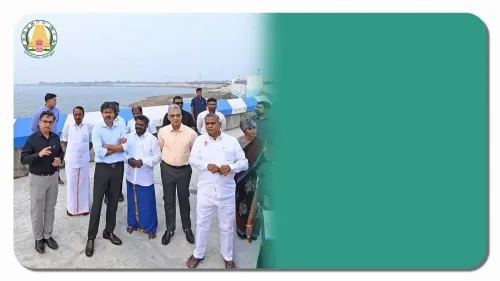
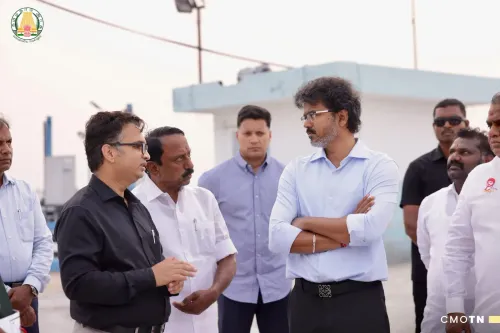
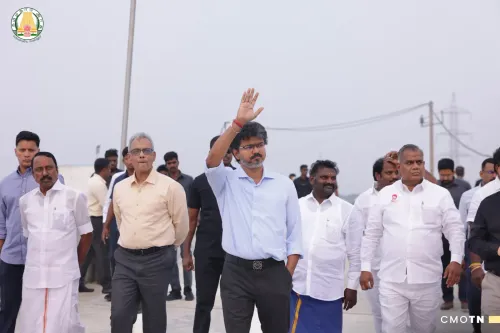
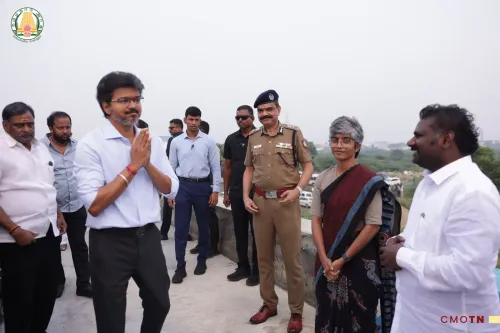
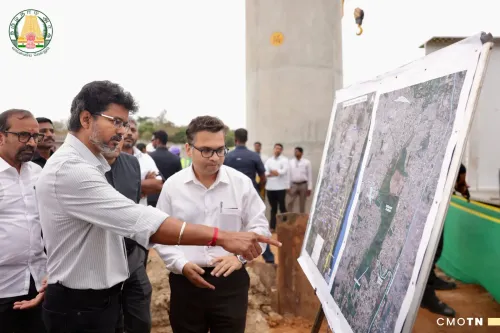
Water security for millions of Chennai residents came under direct scrutiny on Monday, 26 October 2026, as Tamil Nadu Chief Minister C. Joseph Vijay made an on-site visit to Chembarambakkam Lake in Kancheepuram District — one of the metropolitan region's most critical reservoirs. He personally examined the sluice gates, intake tower, surplus weir, and bund areas, signalling that the state's oversight of flood and water management infrastructure is an active, hands-on affair.
What the CM examined at Chembarambakkam
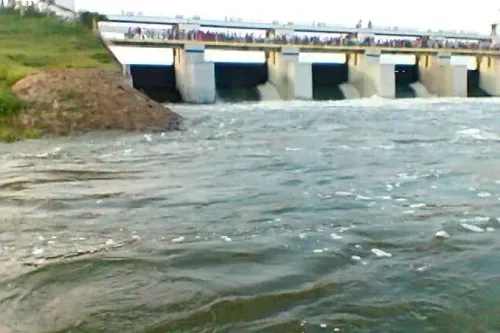
The inspection covered four key structural components of the reservoir: the sluice gates that regulate water discharge, the intake tower through which water is drawn for supply, the surplus weir designed to safely handle overflow, and the bund areas that form the physical embankment of the lake. Together, these elements determine whether Chembarambakkam can simultaneously serve as a drinking water source and a flood buffer — two roles that periodically pull in opposite directions.
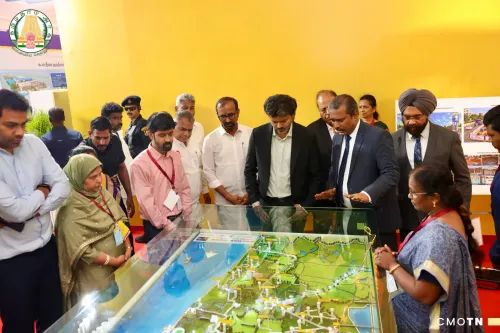
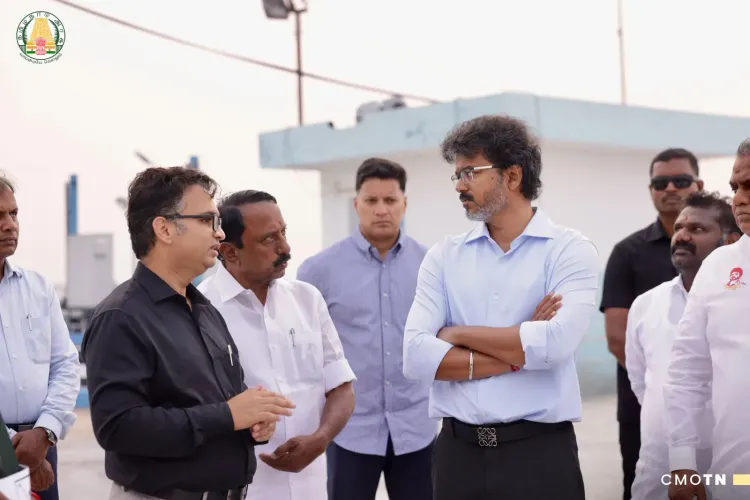
The Chief Minister's Office announced the visit on X, noting that the inspection was carried out in the Kancheepuram District. Two images accompanied the post, showing the CM at the site.
Chembarambakkam's weight in Chennai's water arithmetic
Chembarambakkam Lake is one of the primary reservoirs feeding Chennai's drinking water network. Its management has been a recurring concern for state administrations, particularly after the 2015 Chennai floods — a disaster in which uncoordinated reservoir releases contributed significantly to inundation across the city. Since then, periodic on-site reviews of sluice and bund infrastructure have become a standard part of Tamil Nadu's water governance calendar, especially as seasons shift and storage levels change.
The timing of this visit — late October, as the northeast monsoon intensifies over Tamil Nadu — is consistent with that pattern. Decisions made at this reservoir in the coming weeks will directly affect both the city's water supply and its flood preparedness.
Routine review or something more?
Tamil Nadu administrations have long used direct CM-level inspections to signal political ownership of infrastructure decisions. Whether this visit translates into concrete maintenance orders, operational changes to water release schedules, or structural upgrade announcements remains to be confirmed. The state's water supply officials and Chennai's residents — who depend on Chembarambakkam as a key source — will be watching closely for any follow-up directives from the Chief Minister's Office.
For a city that has swung between acute water shortage and catastrophic flooding within living memory, keeping the person at the top of the government personally accountable to a reservoir's bund lines is not a small thing.
Point of View
And routine inspections now carry an implicit message: the government is ahead of the monsoon, not behind it. Whether this translates into actionable maintenance directives or remains a visibility exercise will determine its real policy weight. The broader arc here is the ongoing tension between Chennai's chronic water scarcity and its periodic flood risk — both hinging on the same reservoirs.
NationPress
26 Oct 2026
Frequently Asked Questions
Why did Tamil Nadu CM Vijay visit Chembarambakkam Lake?
CM C. Joseph Vijay visited Chembarambakkam Lake on 26 October 2026 to personally inspect its sluice gates, intake tower, surplus weir and bund areas as part of the state's oversight of water supply and flood management infrastructure.
Where is Chembarambakkam Lake located?
Chembarambakkam Lake is located in Kancheepuram District in northern Tamil Nadu and serves as one of the major reservoirs supplying drinking water to the Chennai metropolitan area.
Why is Chembarambakkam Lake important for Chennai?
Chembarambakkam Lake is a key drinking water source for Chennai and also plays a critical role in flood control. Its management gained heightened attention after the 2015 Chennai floods, in which reservoir operations were a major factor.
What infrastructure did CM Vijay inspect at Chembarambakkam?
The Chief Minister inspected four components: the sluice gates that control water discharge, the intake tower used for water supply, the surplus weir that manages overflow, and the bund areas forming the reservoir's embankment.
What happens after a CM inspection of a reservoir in Tamil Nadu?
CM-level inspections typically inform decisions on maintenance works, water release schedules, and structural upgrades. Any follow-up announcements from the Tamil Nadu government regarding Chembarambakkam Lake are expected to be watched closely by water supply officials and Chennai residents.