Western Ghats districts to get rain July 13-18; heat, humidity grip rest of Tamil Nadu
Synopsis
While the Western Ghats get brief showers, the rest of Tamil Nadu is locked in a heat-humidity grip — with Chennai touching 38-39°C and coastal districts facing dangerous heat discomfort. The RMC's 13–18 July forecast is a reminder that the monsoon's reach into Tamil Nadu remains uneven, leaving millions in the plains exposed to above-normal temperatures.
Key Takeaways
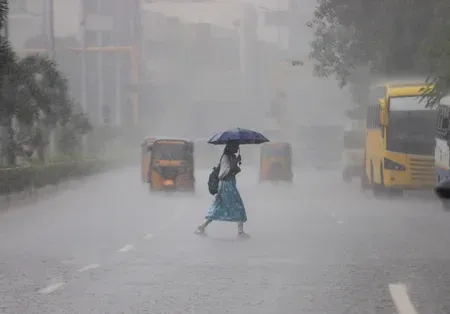
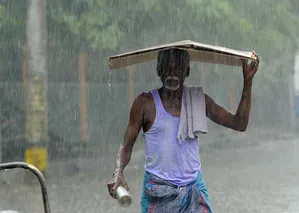
The RMC forecasts light to moderate rain at isolated spots in Western Ghats districts of Tamil Nadu from 13 to 18 July .
Most of Tamil Nadu and Puducherry will remain largely dry during this period.
Maximum temperatures in Tamil Nadu , Puducherry , and Karaikal are expected to be 2 to 4°C above normal between 13 and 16 July .
Chennai is forecast to see highs of 38–39°C and lows of 28–29°C , with partly cloudy skies.
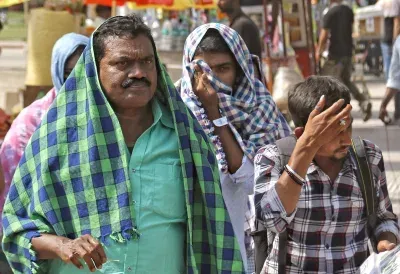
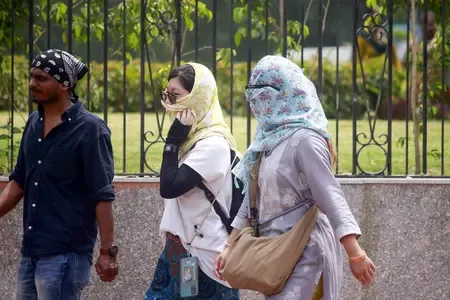
Coastal districts face significant heat discomfort due to high humidity combined with above-normal temperatures.
Residents — especially children, senior citizens, and those with health conditions — are advised to avoid peak-hour outdoor exposure and stay hydrated.
Light to moderate rainfall is expected at isolated locations across the Western Ghats districts of Tamil Nadu from 13 July to 18 July, while the rest of the state braces for dry, sweltering conditions with temperatures running 2 to 4 degrees Celsius above seasonal averages, according to the Regional Meteorological Centre (RMC). The forecast, issued on 13 July, attributes the limited shower activity to variations in the speed of prevailing westerly winds.
Rainfall Forecast for Western Ghats
The RMC bulletin indicates that only isolated pockets within the Western Ghats districts will receive light to moderate showers during the 13–18 July window. For the remainder of Tamil Nadu and Puducherry, the weather is expected to stay largely dry, with only brief, isolated spells of light rain possible. Rainfall activity is not expected to be widespread or sustained beyond the Ghats belt.
Above-Normal Temperatures and Heat Discomfort
Between 13 July and 16 July, maximum temperatures at isolated locations in Tamil Nadu, Puducherry, and Karaikal are forecast to exceed seasonal norms by 2 to 4 degrees Celsius. Meteorologists have cautioned that the combination of high temperatures and elevated humidity — particularly along coastal districts — could cause significant heat discomfort. Residents have been advised to stay hydrated, limit outdoor exposure during peak afternoon hours, and avoid prolonged direct sunlight.
Chennai Weather Outlook
In Chennai, skies are expected to remain partly cloudy. The city is likely to record a maximum temperature of 38 to 39 degrees Celsius, with minimum temperatures hovering between 28 and 29 degrees Celsius. The RMC has specifically warned that the hot and humid conditions in the capital could lead to heat-related health stress. Authorities have urged vulnerable groups — including children, senior citizens, and individuals with pre-existing health conditions — to minimise unnecessary outdoor activity during the hottest parts of the day and maintain adequate fluid intake.
Why Coastal Areas Face the Worst of It
Even in the absence of widespread rainfall, the prevailing weather pattern is expected to generate sultry, oppressive conditions across several coastal areas of Tamil Nadu. The RMC noted that high humidity compounding soaring daytime temperatures makes outdoor activities particularly uncomfortable in the afternoon. This is a recurring pattern during the mid-monsoon transition period, when the southwest monsoon's moisture reaches the Ghats but struggles to penetrate deeper into the state's interior and coastal plains.
What Weather Officials Are Watching
Officials at the Regional Meteorological Centre have indicated they will continue monitoring atmospheric conditions for any significant shifts over the coming days. Any strengthening of westerly winds or change in pressure gradients could alter the rainfall distribution across the state. Until then, residents across most of Tamil Nadu should prepare for continued heat and humidity through at least 18 July.
Point of View
Leaving the state's vast coastal and interior plains in a prolonged heat-humidity corridor. What deserves closer attention is the public health dimension — above-normal temperatures compounded by high humidity create heat index conditions that can be dangerous, yet advisories remain generic. With Chennai touching near-40°C and vulnerable populations at risk, the gap between meteorological warnings and on-ground civic preparedness is worth scrutinising.
NationPress
12 Oct 2026
Frequently Asked Questions
Which districts in Tamil Nadu will receive rainfall between July 13 and 18?
Rainfall is expected only at isolated locations in the Western Ghats districts of Tamil Nadu during this period. The rest of the state, including Puducherry and Karaikal, is forecast to remain largely dry, with only brief and isolated light rain spells possible.
How high will temperatures get in Chennai this week?
Chennai is likely to record maximum temperatures of 38 to 39 degrees Celsius and minimum temperatures of 28 to 29 degrees Celsius. Skies will remain partly cloudy, but the hot and humid conditions are expected to cause heat discomfort.
Why are temperatures above normal in Tamil Nadu in July?
According to the RMC, the prevailing westerly winds are delivering moisture mainly to the Western Ghats, leaving the rest of Tamil Nadu in dry, hot conditions. Temperatures at isolated locations are running 2 to 4 degrees Celsius above seasonal averages between July 13 and 16.
Who is most at risk from the heat and humidity in Tamil Nadu?
The RMC has flagged children, senior citizens, and individuals with pre-existing health conditions as particularly vulnerable. Coastal districts of Tamil Nadu, Puducherry, and Karaikal face the worst heat discomfort due to the combination of high temperatures and elevated humidity.
What precautions has the RMC advised for residents?
Residents have been advised to stay hydrated, avoid prolonged exposure to direct sunlight, and minimise outdoor activity during peak afternoon hours. The RMC specifically urged vulnerable groups to remain indoors during the hottest parts of the day.