Did the Governor of Tamil Nadu Walk Out of the Assembly Due to Denial of Speech?
Click to start listening
Synopsis
Tensions escalate in Tamil Nadu as Governor R. N. Ravi walks out of the Assembly, claiming denial of the right to speak. Lok Bhavan clarifies the Governor's position, emphasizing critical issues overlooked in the address, from investment claims to women's safety concerns. This incident raises significant questions about governance and accountability.
Key Takeaways
- Governor R. N. Ravi walked out of the Assembly due to being denied the chance to speak.
- Lok Bhavan issued a statement highlighting various critical issues overlooked in the Governor's address.
- Concerns regarding women's safety and drug abuse among youth were notably absent from the address.
- The Governor aimed to address inaccuracies in the investment claims made by the government.
- Several pressing public issues were ignored, raising questions about the state's governance.
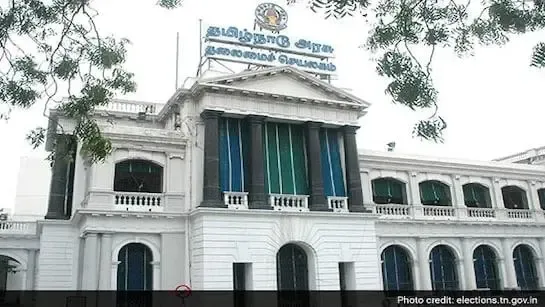
Chennai, Jan 20 (NationPress) Shortly after Governor R. N. Ravi exited the Tamil Nadu Legislative Assembly without giving the traditional Governor’s Address on Tuesday, Lok Bhavan released a thorough clarification, stating that the Governor was not given the chance to express his views.
This clarification emerges amid rising tensions between the Governor and the DMK government, resulting in a significant clash during the assembly's opening session.
Per the statement from Lok Bhavan, the Governor chose not to present the address after facing repeated interruptions as his microphone was “switched off,” hindering him from voicing his opinions to the assembly.
Characterizing the incident as extraordinary, Lok Bhavan noted that the Governor, who serves as the constitutional leader of the state, had to withdraw after being denied his right to speak. The statement indicated that the Governor intended to highlight major omissions and inaccuracies in the prepared speech but was obstructed from doing so.
Lok Bhavan claimed that the address included several unfounded and misleading assertions while neglecting critical public issues. It specifically challenged the government’s claim that Tamil Nadu had secured investments exceeding ₹12 lakh crore.
The statement pointed out that many of the memoranda of understanding mentioned remained unfulfilled, with actual investments being a mere fraction of what was claimed. It also referenced available statistics suggesting that Tamil Nadu's position as a top recipient of foreign direct investment has deteriorated in recent years.
Moreover, the statement emphasized the complete exclusion of concerns regarding women’s safety, especially considering the alarming rise in POCSO cases and incidents of sexual violence. Lok Bhavan brought attention to the increasing threat of drug use among youth, including school children, noting that over 2,000 suicides annually were linked to drug dependency.
Other significant issues mentioned in the address that were overlooked included escalating atrocities against Dalits, a high suicide rate in the state, persistent vacancies and mismanagement in educational institutions, and the failure to conduct village panchayat elections for several years, which deprived citizens of their fundamental right to grassroots democracy.
Lok Bhavan also expressed concerns regarding the extended governmental control over numerous temples lacking duly established trustee boards, escalating pressures in the MSME sector, dissatisfaction among lower-level government employees, and what it described as a consistent neglect of constitutional responsibilities, including respect for the National Anthem.
The statement asserted that these issues reflected the real circumstances on the ground and should not have been disregarded in a vital address intended to outline the state government's priorities.
Point of View
It's crucial to recognize the significance of this incident. It reflects not only the tensions between the Governor and the state government but also highlights serious concerns regarding governance, accountability, and the representation of important public issues. In a democratic setup, such matters deserve immediate attention.
NationPress
20/01/2026
Frequently Asked Questions
Why did the Governor walk out of the Assembly?
The Governor walked out after his microphone was repeatedly switched off, denying him the opportunity to deliver his address.
What issues did Lok Bhavan highlight in their statement?
Lok Bhavan pointed out significant omissions in the Governor's address, including women's safety, investment claims, and public accountability.
What is the significance of the Governor's walkout?
The walkout signifies escalating tensions between the Governor and the state government, raising concerns over governance and representation.
How has the investment situation in Tamil Nadu been described?
Lok Bhavan has claimed that many memoranda of understanding remain unfulfilled, with actual investments being much lower than reported.
What concerns were raised about women's safety?
The statement emphasized a sharp rise in POCSO cases and incidents of sexual violence, indicating serious public safety concerns.