Tata Trusts opposes Tata Sons listing, urges alternative options to preserve century-old model
Synopsis
Tata Trusts Chairman Noel N. Tata has drawn a clear line: Tata Sons will not list with the Trusts' consent. At a high-stakes Board meeting on 17 September, he invoked over a century of trust-led ownership and called a listing an existential threat to the group's philanthropic character — even as the RBI's 11 September communication adds regulatory pressure to resolve the matter urgently.
Key Takeaways
Tata reiterated at the Tata Sons Board meeting on 17 September that the Trusts have not agreed to a public listing of Tata Sons.
The Tata Sons Board has been directed to explore all available alternatives to listing on an immediate basis.
The Reserve Bank of India (RBI) sent a communication to Tata Sons on 11 September , which was discussed at the Board meeting.
In March 2024 , the Tata Sons Board under late Ratan Tata had unanimously resolved the company should remain unlisted.
Both the Sir Dorabji Tata Trust and the Sir Ratan Tata Trust passed unanimous anti-listing resolutions in July 2025 .
A separate Board meeting will be convened to assess findings and determine the final course of action.
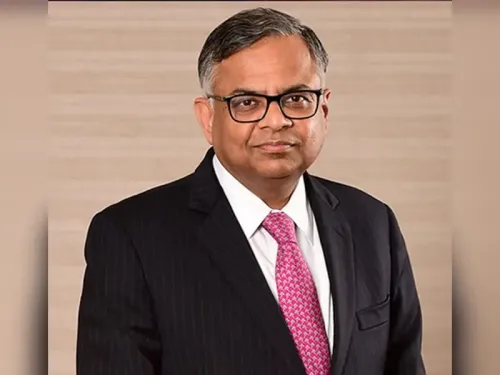
Tata Trusts Chairman Noel N. Tata on Thursday, 17 September reiterated at the Tata Sons Board meeting that the Trusts have not consented to a listing of Tata Sons, and that all available alternatives must be explored to preserve the group's unique ownership structure. The position, communicated through an official Tata Trusts statement, marks a firm and consistent stand against any public listing of the holding company of India's largest conglomerate.
What Noel Tata Said at the Board Meeting
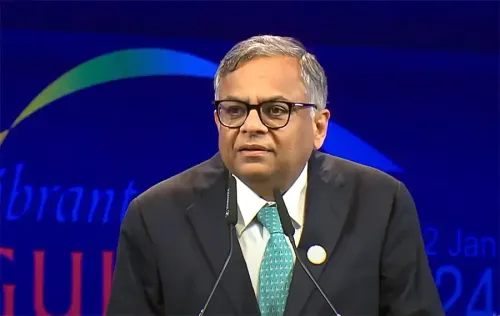
Noel Tata told the Board that the Tata operating model — built on a century of trust-led ownership — cannot be subordinated to a purely commercial outcome. 'That is not sentiment. It is the operating model of this House, and it has stood the test of time for more than a century. A listing will destroy its character and strike at the heart of this principle,' he said, according to the Trusts' statement.
He underscored that the Tata Group was conceived as a national institution, not merely a commercial enterprise, and that its majority shareholder — a charity — funds hospitals, universities, and research through dividends. 'What is at stake today is something very fundamental: the nature and character of the Tata Group as a unique institution,' Noel Tata added.
The RBI Communication and Board's Response
The Reserve Bank of India (RBI) had sent a communication to Tata Sons on 11 September, and this correspondence was discussed at Thursday's Board meeting. Following the discussion, the Board agreed unanimously that all available options — not merely a public listing — must be thoroughly explored and assessed on an immediate basis. The findings and recommendations are to be presented to the Board, after which a separate Board meeting will be convened to determine the appropriate course of action, the statement said.
A Consistent and Long-Standing Position
The Trusts' opposition to listing is not new. As far back as March 2024, the Tata Sons Board under the guidance of the late Ratan Tata had unanimously resolved that the company should remain unlisted. In July 2025, the Sir Dorabji Tata Trust and the Sir Ratan Tata Trust both passed unanimous resolutions reaffirming that stance, formally communicating the decision to Tata Sons. 'Accordingly, the position of the Tata Trusts has remained consistent and unchanged,' the statement noted.
Why the Tata Structure Is Considered Unique
Critics of a listing argue that Tata Sons' majority shareholder being a philanthropic trust gives the group a distinctly non-commercial character — one that has allowed Tata Sons to act in ways that short-term shareholder pressure would not ordinarily permit. The charity model funds major public institutions, including hospitals and research universities, from the dividends it receives from Tata Sons. A public listing would introduce quarterly earnings scrutiny and shareholder activism that could fundamentally alter governance priorities, according to analysts.
What Happens Next
The Trusts have said they will continue to engage with Tata Sons and relevant regulatory authorities in support of 'a fair, transparent, and legally compliant process.' The next milestone is the convening of a dedicated Board meeting to assess all permissible options, following which a final recommendation on the listing question — and possible alternatives — is expected to emerge. The outcome will have far-reaching consequences for one of India's most storied corporate institutions and for the philanthropic causes it funds.
Point of View
But the RBI's 11 September communication suggests the regulator may not share the same patience for a prolonged holding pattern. Tata Sons was classified as an upper-layer non-banking financial company, and the listing requirement flows from that classification — meaning the Trusts' preference, however principled, may ultimately run into a statutory wall. The deeper tension here is between a philanthropic ownership structure that has genuinely served India's public interest and a regulatory framework designed for a different kind of institution. Neither side is wrong, but the resolution will require either a legislative carve-out or a structural workaround — neither of which has been publicly defined yet.
NationPress
17 Sept 2026
Frequently Asked Questions
Why is Tata Sons being asked to list?
Tata Sons was classified as an upper-layer non-banking financial company (NBFC) by the Reserve Bank of India, which under RBI regulations triggers a mandatory public listing requirement. The RBI communicated its position to Tata Sons on 11 September, prompting the Board to discuss available options.
Why do Tata Trusts oppose a listing of Tata Sons?
Tata Trusts argue that listing would fundamentally alter the character of the Tata Group, whose majority shareholder is a charitable trust that funds hospitals, universities, and research. Noel N. Tata has said a public listing would 'destroy its character' by introducing commercial pressures incompatible with the group's century-old public-purpose model.
When did Tata Sons first resolve to remain unlisted?
The Tata Sons Board unanimously resolved to remain unlisted in March 2024 under the guidance of the late Ratan Tata. This was further reinforced in July 2025 when both the Sir Dorabji Tata Trust and the Sir Ratan Tata Trust passed separate unanimous resolutions to the same effect.
What happens next in the Tata Sons listing dispute?
The Tata Sons Board has been tasked with exploring all available alternatives to listing and presenting findings and recommendations to the Board. A separate, dedicated Board meeting will then be convened to determine the appropriate course of action, following review of all permissible options.
Who are the Tata Trusts and what role do they play in Tata Sons?
The Tata Trusts — principally the Sir Dorabji Tata Trust and the Sir Ratan Tata Trust — are charitable organisations that collectively hold the majority stake in Tata Sons, the holding company of the Tata Group. Their dividends from Tata Sons fund major public-interest institutions including hospitals and universities, making the ownership structure central to the group's philanthropic mission.