Pakistan's Tax Burden: A Barrier to Economic Growth

Synopsis
Discover how Pakistan’s steep taxation system is stifling economic growth and driving investment away. With high taxes impacting both financial and human capital, the country faces a critical challenge in attracting and retaining business.
Key Takeaways
High taxes are stifling investment in Pakistan.
The effective tax rate exceeds 50% for large manufacturers.
Many wealthy individuals are relocating to Dubai for tax benefits.
Tax evasion is on the rise due to high compliance costs.
Urgent reforms are needed to broaden the tax base.
New Delhi, March 3 (NationPress) The excessive tax framework in Pakistan is severely constraining the formal economy, particularly impacting industrial enterprises. The Federal Bureau of Revenue (FBR) appears oblivious to this reality, continuously taxing the wealthiest 1% of the population, as highlighted in a recent article.
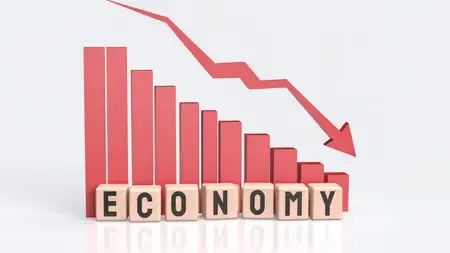
At the heart of the problem is the disincentive for capital formation, with the effective tax rate exceeding 50% for large manufacturing sectors, as per the report in the Karachi-based Business Recorder.
Furthermore, the tax on main shareholders escalates if the business operates under a corporate structure, where a 15% tax applies to intercorporate dividends. Consequently, the net returns after all applicable taxes dwindle to merely one-third of initial profits, the article noted.
There is a notable exodus of financial capital from the country, alongside a significant outflow of human capital, as the taxation on salaries is the highest in the region. This trend is evident from the increasing investment by Pakistanis in the Middle East, particularly in the UAE.
The article reveals that high-net-worth individuals in Pakistan face income tax rates up to 45%, a super tax that can reach 10%, alongside a 1% capital value tax on certain overseas assets. Consequently, many affluent individuals, including business moguls, opt to relocate to Dubai or similar destinations to attain non-resident tax status. For numerous individuals, the tax savings significantly outweigh the elevated living expenses abroad, leading to a marked increase in the number of Pakistanis migrating overseas.
During a meeting with the IMF team currently visiting the country, Pakistan's leading business chambers raised concerns regarding the overwhelming tax burden. Recently, IMF officials were in Karachi, engaging with both the Overseas Investors Chamber of Commerce and Industry (OICCI) and the Pakistan Business Council (PBC), with both organizations advocating for a rationalization of the tax system. It is imperative for Islamabad to address fiscal balance by broadening the tax base, curtailing losses from state-owned enterprises—especially in the energy sector—and minimizing the government’s role, as the article suggests.
Indirect taxes are also excessively high. The cumulative effect of both direct and indirect taxes encourages tax evasion, as compliance costs rise. Informal businesses gain a competitive edge and flourish, though they face limitations in scaling up. This hampers the economy's growth potential, as lamented by the article.
This scenario largely clarifies the departure of multinational corporations from Pakistan. Several diplomats, particularly from Europe, cite excessive taxation as a primary grievance. Domestic entities are increasingly leaning towards real estate and retail sectors, where portions of their income can be concealed in cash, allowing them to subsequently transfer funds outside the country, as noted in the article.
The government must consider reducing tax rates and expanding the tax base. Provinces need to take charge of collecting equitable shares from land, agricultural, and service sales taxes. The federal government should extend the tax net beyond just manufacturing; otherwise, the sector will continue to contract, and foreign investors will persist in leaving. The outflow of financial and human resources will remain uncurbed, the article concluded.
Point of View
It's evident that Pakistan's current tax structure is detrimental to both businesses and the overall economy. The pressing need for reform is crucial to retain talent and investment, ensuring a sustainable economic future for the nation.
NationPress
23 Sept 2026
Frequently Asked Questions
What impact does high taxation have on businesses in Pakistan?
High taxation discourages investment and capital formation, leading to reduced profitability for businesses and driving many to relocate abroad.
Why are wealthy individuals leaving Pakistan?
Wealthy individuals are relocating to countries like Dubai to benefit from lower tax rates, which provide significant savings compared to Pakistan's high tax burden.
What are the proposed solutions to Pakistan's tax issues?
Experts suggest reducing tax rates, expanding the tax base, and improving the efficiency of tax collection to alleviate the burden on businesses.
How does high taxation affect the overall economy?
Excessive taxation hampers growth by incentivizing tax evasion, promoting informal business practices, and driving foreign investment away.
What role do state-owned enterprises play in the tax system?
State-owned enterprises are often a source of financial losses, and curbing these losses is essential for improving the fiscal balance in Pakistan.