The Troubling State of Pakistan's Economy: A Call for Reform
Synopsis
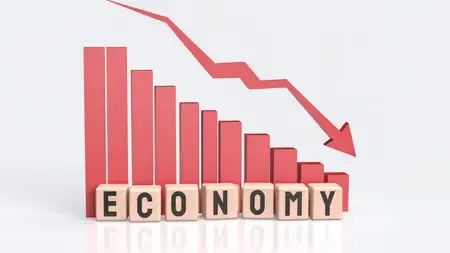
As Pakistan grapples with rising inequality and poverty, the Federal government faces imminent bankruptcy. Insights from the local media highlight the urgent need for economic reform and governance overhaul to foster opportunities and investment.
Key Takeaways
Pakistan's economy is facing severe challenges with increasing poverty and inequality.
The Federal government is approaching bankruptcy.
There is a critical need for export-led growth and governance reforms.
Empowering local governments could enhance urban living conditions.
Inconsistent policies are hindering foreign investment.
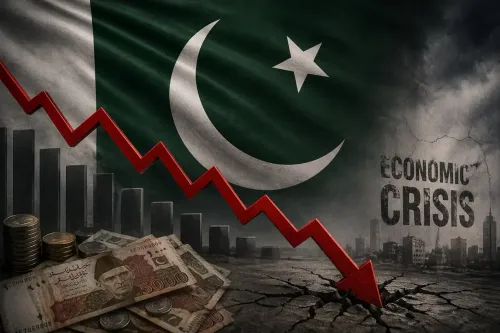
New Delhi, Feb 24 (NationPress) The economic situation in Pakistan is increasingly precarious, with escalating inequality and poverty levels. Reports from local media indicate that the Federal government is on the brink of insolvency.
An article published in the Karachi-based Business Recorder advocates for a shift towards export-driven economic growth as a means to provide opportunities for the populace, alongside a significant reform in governance, particularly in public service sectors like education.
The publication notes that political parties are reluctant to transfer authority to local governments, resulting in minimal incentives for expanding taxation at municipal and provincial levels. Consequently, the federal government bears the brunt of heavy taxation on formal incomes. Furthermore, inefficiencies within the energy sector, which lead to inflated electricity costs, adversely affect the competitiveness of local exporters, as highlighted in the article.
Tax revenue from land remains exceedingly low, with Punjab collecting less in property taxes than a single prominent city in India. Both agriculture income tax and service-related sales tax are significantly underutilized, while the manufacturing sector grapples with high tax burdens and costly energy, according to the article.
As the federal government approaches a state of bankruptcy, it necessitates a collaborative approach with the provinces for burden-sharing. There is a pressing need to expand the tax base by including all stakeholders. Municipal authorities should be empowered to levy taxes and enhance urban living standards, the article emphasizes.
Simultaneously, the federal government must scale back its involvement in the energy sector. The liabilities associated with this sector ought to be distributed among provinces. It is crucial to reform and privatize state-owned enterprises, as seen in the attempts to restructure the national airline, PIA. A reduction in the overall size of the government is imperative, particularly at the provincial level, where excessive recruitment into public service persists. This trend needs urgent attention, as noted in the article.
The article also attributes the inconsistent policies of the government as significant barriers to attracting investment, which has plummeted to unprecedented lows. The inflow of foreign direct investment has nearly ceased, with scant prospects for new local investments in export-focused industries.
Point of View
The current state of Pakistan's economy calls for immediate attention and action. It emphasizes the necessity for reforms in governance and taxation to provide relief to the populace and stimulate growth.
NationPress
30 Sept 2026
Frequently Asked Questions
What factors are contributing to Pakistan's economic crisis?
The economic crisis in Pakistan is fueled by rising inequality, increased poverty, heavy taxation on formal incomes, inefficiencies in the energy sector, and inconsistent government policies that deter investment.
How can Pakistan improve its economic situation?
Pakistan can improve its economic situation by adopting an export-led growth strategy, overhauling governance in public services, empowering local governments, and broadening the tax base.
What role does foreign investment play in Pakistan's economy?
Foreign investment is crucial for Pakistan's economic growth, but recent trends show a significant decline in foreign direct investment, which needs to be addressed to foster economic recovery.
What is the current status of the Federal government in Pakistan?
The Federal government is nearing bankruptcy and requires collaborative efforts from provincial governments to share the financial burden and implement necessary reforms.
What are the implications of high energy costs on Pakistan's economy?
High energy costs adversely affect the competitiveness of Pakistani exporters, making it difficult for them to thrive in both local and global markets.