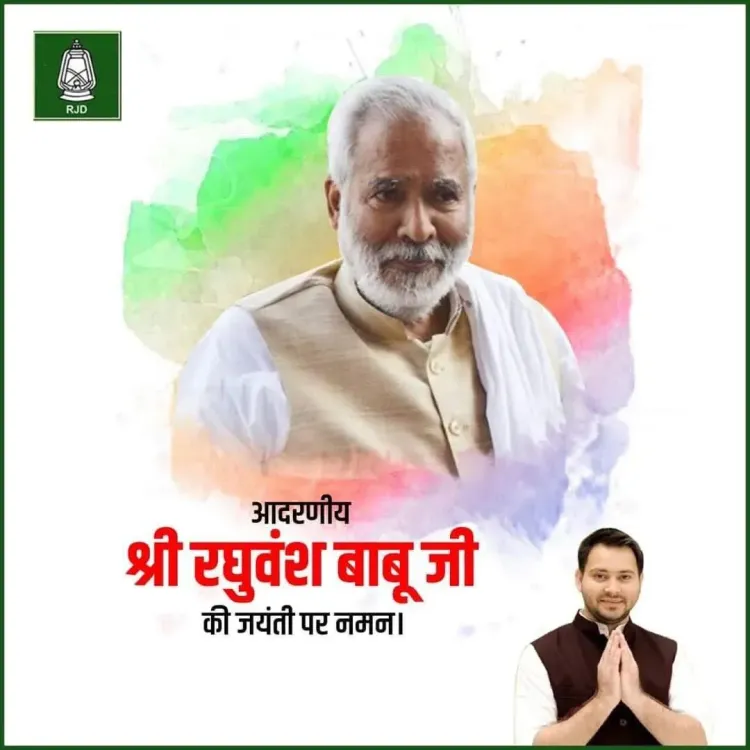
Tejashwi pays tribute to RJD founder Raghuvansh Prasad Singh
Synopsis
Tejashwi Yadav honoured late RJD founder and former Rural Development Minister Raghuvansh Prasad Singh on his birth anniversary, calling him the 'MGNREGA Man' and a guardian devoted to equality, freedom, and social justice for India's rural poor.
Key Takeaways
Tejashwi Yadav paid tribute to late Raghuvansh Prasad Singh on his birth anniversary on 6 June 2026 .
Singh was a founding member of RJD and served as Union Minister for Rural Development from 2004 to 2009 .
He is widely credited with overseeing the rollout of MGNREGA , which guarantees 100 days of wage employment to rural households.
Tejashwi referred to Singh as the 'MGNREGA Man' and described him as a guardian who understood the pulse of India's rural poor.
MGNREGA remains a key political reference point for the RJD-led opposition in Bihar ahead of future assembly elections.
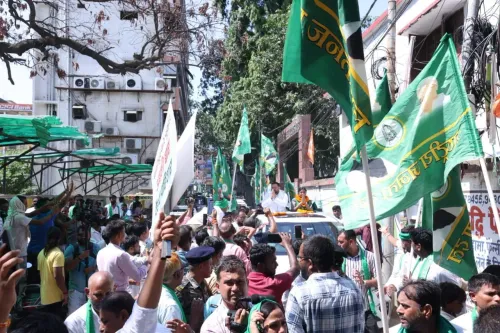
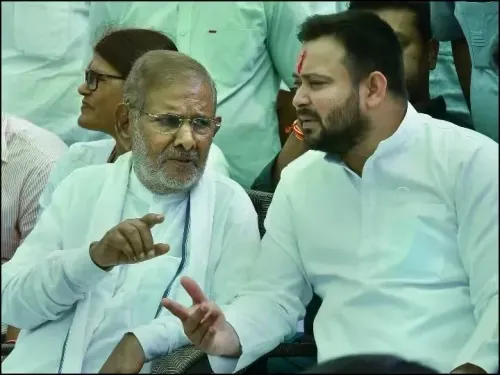
RJD leader Tejashwi Yadav on Saturday, 6 June 2026 paid a heartfelt tribute to late Raghuvansh Prasad Singh, former Union Minister and founding member of the Rashtriya Janata Dal (RJD), on the occasion of Singh's birth anniversary, honouring him as a tireless champion of rural welfare, equality, and social justice.
Context
Tejashwi, posting in Hindi on X (formerly Twitter), described Singh as 'gaon, garib aur gramin ki nabz samajhne wale' — one who understood the pulse of the village, the poor, and the rural community. He referred to Singh affectionately as 'Manbrega Man' and called him 'our guardian' (hamare abhibhavak), reflecting the deep personal and ideological bond Singh shared with the party's leadership and cadre.
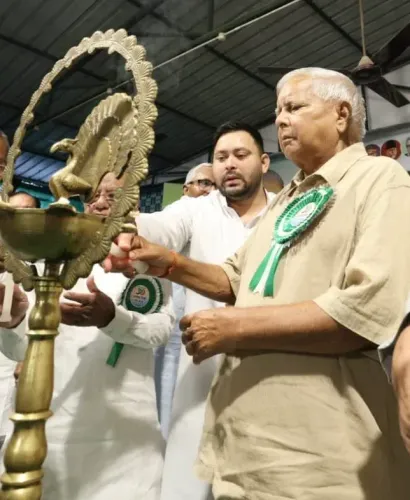
Raghuvansh Prasad Singh served as Union Minister for Rural Development from 2004 to 2009 under the UPA-I government. He was among the founding members of RJD when Lalu Prasad Yadav established the party in July 1997, and remained one of its most recognisable faces committed to the cause of Other Backward Classes, Muslims, and the rural poor.
Policy Backdrop
Singh's most enduring legacy is his central role in the rollout of the Mahatma Gandhi National Rural Employment Guarantee Act (MGNREGA), enacted by Parliament in 2005. The scheme guarantees 100 days of wage employment per year to rural households and remains one of the largest social safety nets in the world. Singh's ministerial stewardship of its early implementation earned him the informal title 'MGNREGA Man' — a label Tejashwi invoked directly in his tribute post.
MGNREGA continues to be a live political reference point in Bihar, where debates over rural employment, wage rates, and fund utilisation surface regularly in assembly proceedings. For the RJD-led opposition, the scheme represents a benchmark of UPA-era rural governance that the party uses to contrast with the current dispensation's record.
Stakeholders and Impact
Tributes on Singh's birth anniversary resonate most directly with RJD's core constituency — rural households, agricultural labourers, and backward-class communities across Bihar who benefited from MGNREGA-linked employment. For party workers, such commemorations reinforce the ideological lineage connecting the party's founding generation to its present leadership under Tejashwi.
The tribute also carries weight in the broader Bihar political landscape, where the RJD-led opposition faces the ruling NDA alliance of JD(U) and BJP. By foregrounding Singh's welfare legacy, Tejashwi signals continuity with the party's social-justice roots at a time when rural employment and agrarian distress remain contested electoral issues.
What's Next
RJD is expected to mark Singh's birth anniversary with party-level events across Bihar, using the occasion to restate its commitment to rural employment guarantees and social justice. With the next Bihar assembly elections on the horizon, the party's invocation of MGNREGA's legacy is likely to intensify in state budget debates and on the campaign trail.
Tejashwi's consistent public honouring of the party's founding generation suggests that RJD will continue weaving Singh's rural-development record into its political messaging as it seeks to consolidate its support base among Bihar's vast rural electorate.
Point of View
Anchoring RJD's identity in the welfare-state politics of the UPA era at a moment when rural employment and agrarian distress are live electoral issues in Bihar. By foregrounding the 'MGNREGA Man' label, Tejashwi draws a direct line from the party's founding generation to his own leadership, reinforcing continuity of purpose for a base that remains deeply invested in rural employment guarantees. Such anniversary tributes also serve a mobilisation function, activating party networks at the grassroots ahead of electoral cycles. In the broader arc of Bihar politics, they help the RJD counter the ruling NDA's development narrative by keeping UPA-era social-justice achievements in public memory.
NationPress
21 Oct 2026
Frequently Asked Questions
Who was Raghuvansh Prasad Singh?
Raghuvansh Prasad Singh was a founding member of the Rashtriya Janata Dal and former Union Minister for Rural Development (2004–2009), best known for overseeing the rollout of MGNREGA, which earned him the title 'MGNREGA Man'.
Why is Raghuvansh Prasad Singh called the 'MGNREGA Man'?
He is called the 'MGNREGA Man' because as Rural Development Minister under UPA-I, he was the key ministerial face behind the implementation of the Mahatma Gandhi National Rural Employment Guarantee Act, enacted in 2005.
What is MGNREGA and why does it matter in Bihar?
MGNREGA is a central government scheme that guarantees 100 days of wage employment per year to rural households. In Bihar, with its large rural population, the scheme is a major political reference point and a benchmark for rural welfare debates.
Why did Tejashwi Yadav pay tribute to Raghuvansh Prasad Singh?
Tejashwi Yadav paid tribute on Singh's birth anniversary, honouring him as a founding member of RJD and a champion of social justice and rural welfare, reaffirming the party's ideological roots.
What is Tejashwi Yadav's current political role?
Tejashwi Yadav is the Leader of the Opposition in the Bihar Legislative Assembly and a senior leader of the Rashtriya Janata Dal, the party founded by his father Lalu Prasad Yadav in 1997.