Tejashwi Yadav accuses Bihar CM Choudhary of POCSO violation over Jamui victim photo
Synopsis
Bihar's political temperature spiked after CM Samrat Choudhary shared — then deleted — a photo with the minor Jamui molestation victim, prompting opposition leader Tejashwi Yadav to accuse him of violating the POCSO Act's strict identity-protection provisions. The case exposes a recurring gap: public figures meeting crime victims as a show of concern, while inadvertently — or otherwise — risking the very legal protections those victims are entitled to.
Key Takeaways
Tejashwi Yadav accused Bihar CM Samrat Choudhary of violating the POCSO Act by posting a photograph with the minor Jamui molestation case victim on social media.
Choudhary subsequently deleted the post, but a screenshot had already begun circulating online.
Section 23 of the POCSO Act, 2012 , prohibits any disclosure — including photographs — that could identify a child victim; violations carry imprisonment of six months to one year .
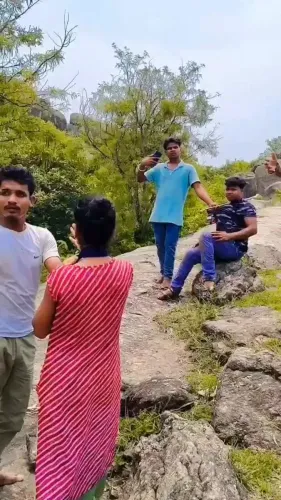
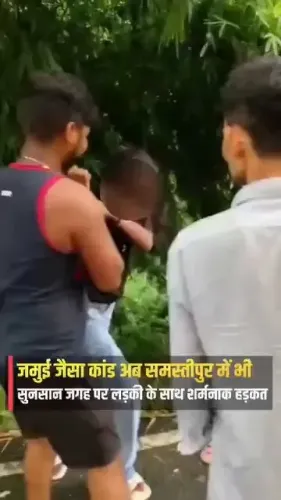
The Jamui molestation case involved a video of alleged assault on a minor that went viral; police have arrested several accused and identified around 120 social media accounts for circulating related content.
Whether the deleted post constitutes a legal offence under POCSO remains subject to determination by competent authorities or a court.
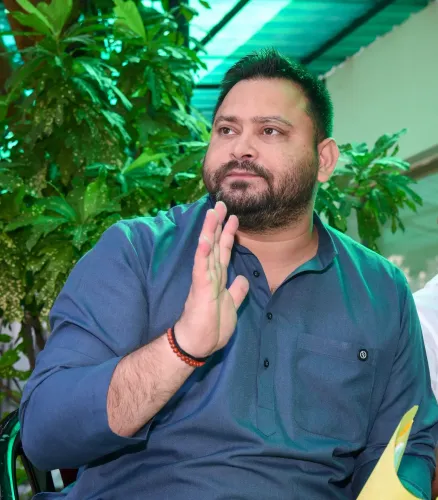
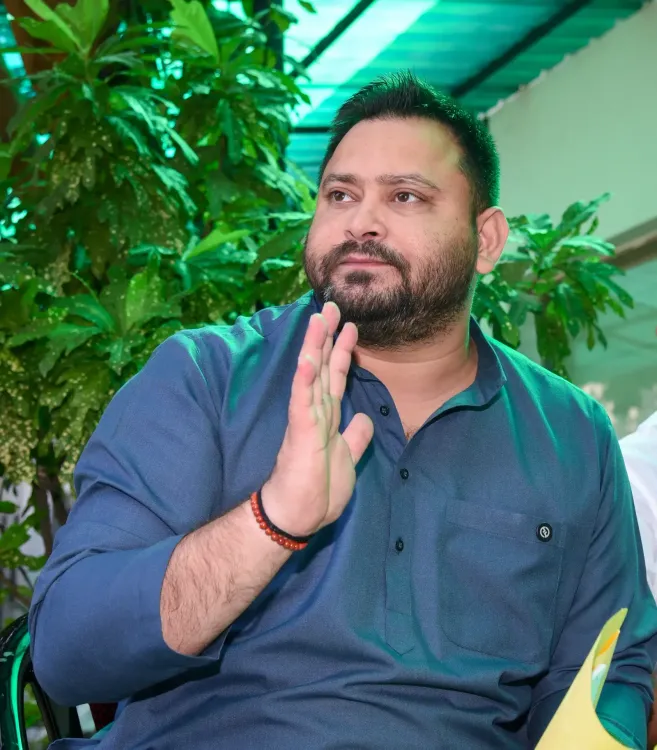
Rashtriya Janata Dal (RJD) National Working President and Leader of Opposition in the Bihar Assembly, Tejashwi Yadav, on 25 September 2026 accused Chief Minister Samrat Choudhary of violating the Protection of Children from Sexual Offences (POCSO) Act by sharing — and later deleting — a photograph on social media showing him alongside the minor victim and her family in the Jamui molestation case. The accusation has sparked a sharp political row in Patna, raising serious questions about the handling of sensitive information concerning a child victim even as the original investigation continues.
What Choudhary Posted and Then Deleted
According to reports, the minor girl and her family had visited Chief Minister Samrat Choudhary at his official residence. Choudhary subsequently shared a post on social media in which he stated he had met the victim and her family, encouraged the girl to move forward fearlessly, and assured them of speedy justice. He also noted that the family had expressed satisfaction with police action and that the government would ensure the strictest punishment for those found responsible through a trial completed within one month.
The post was accompanied by a photograph featuring Choudhary alongside the victim's family. It was later deleted, but a screenshot of the post had already begun circulating on social media. The central question of the controversy is whether the photograph and accompanying details were sufficient to identify the minor victim.
Tejashwi Yadav's Allegations
Reacting to the deleted post, Tejashwi Yadav alleged that the Chief Minister had himself violated the POCSO Act by making the photograph public. Yadav argued that sharing an image of the minor alongside her family members could reveal her identity — a disclosure prohibited under law. He demanded strict action over what he described as a serious breach of the legal safeguards accorded to survivors of sexual offences. Yadav also made several other personal and political allegations against Choudhary in his social media post; those claims remain allegations by the opposition leader and have not been independently established.
What Section 23 of the POCSO Act Says
Section 23 of the POCSO Act, 2012, places explicit restrictions on the disclosure of a child victim's identity through the media. It prohibits any media report from disclosing a child's name, address, photograph, family details, school, neighbourhood, or any other particulars that could lead to identification. A disclosure is permitted only if the Special Court hearing the case records reasons in writing and determines that disclosure is in the best interests of the child.
Under Section 23(4), a person who contravenes these provisions can face imprisonment of between six months and one year, a fine, or both. Whether the deleted social media post constitutes an offence under these provisions would ultimately depend on a determination by the competent authorities or court.
Background: The Jamui Molestation Case
The current controversy follows the emergence, days earlier, of a video allegedly showing the harassment and assault of a minor girl and a teenage boy in Jamui. Police registered a case under relevant provisions including the POCSO Act and arrested several accused. The circulation of material that could identify the minor victims has also become part of the investigation, with police taking action against social media accounts accused of spreading the video. Reports indicate that around 120 accounts were identified in connection with the dissemination of the content, and police separately warned the public against sharing material that could reveal the minors' identities.
What Happens Next
The latest political dispute adds a fresh layer of scrutiny to an already sensitive case. Legal experts note that the question of whether Choudhary's post violated POCSO provisions is one only the competent court or authority can conclusively determine. Meanwhile, the investigation into the original Jamui incident and the wider circulation of related material continues, and pressure from the opposition is likely to keep the case in focus in the Bihar Assembly in the days ahead.
Point of View
Then documenting that visit in a way that may have exposed her identity, cuts to the heart of a pattern where political optics override legal safeguards. POCSO's identity-protection provisions exist precisely because well-meaning public gestures can cause secondary harm. The fact that the post was deleted does not undo the screenshot's circulation — and that circulation is now itself part of an active investigation. Bihar's political class, on both sides of this dispute, would do well to treat child victim cases as legal and welfare matters first, not theatre for competitive compassion.
NationPress
25 Sept 2026
Frequently Asked Questions
Why is Tejashwi Yadav accusing Bihar CM Samrat Choudhary of violating the POCSO Act?
Tejashwi Yadav alleges that Choudhary violated the POCSO Act by sharing a photograph on social media showing him with the minor victim and her family in the Jamui molestation case, which Yadav argues could reveal the child's identity. Choudhary later deleted the post, but a screenshot had already circulated online.
What does the POCSO Act say about disclosing a child victim's identity?
Section 23 of the POCSO Act, 2012, prohibits any media report or public disclosure that could identify a child victim, including through name, address, photograph, family details, or other particulars. Violations under Section 23(4) carry a prison term of six months to one year, a fine, or both.
What is the Jamui molestation case?
The Jamui molestation case refers to an incident in Jamui, Bihar, involving the alleged harassment and assault of a minor girl and a teenage boy, a video of which surfaced on social media. Police registered a case under the POCSO Act and made several arrests; they also identified around 120 social media accounts accused of circulating the video.
Has it been legally established that CM Choudhary violated the POCSO Act?
No. The accusation is an allegation made by opposition leader Tejashwi Yadav. Whether the deleted social media post constitutes an offence under the POCSO Act would ultimately depend on the facts of the case and a determination by the competent authorities or court.
What action has been taken regarding the circulation of content related to the Jamui case?
Police have taken action against social media accounts accused of circulating the video from the Jamui incident, with reports indicating around 120 accounts were identified. Police also separately warned the public against sharing material that could reveal the identities of the minor victims involved.