Maharashtra TET paper leak mastermind Bijendra Gupta arrested in Bihar

Synopsis
Bijendra Gupta, the alleged kingpin of the Maharashtra TET paper leak and a suspected serial offender across multiple states, was finally nabbed in Bihar after months of failed raids. His arrest lands just as the Union Cabinet cleared a bill that could send organised paper leak accused to prison for up to 10 years — a rare convergence of a high-profile catch and a legislative crackdown on the same day.
Key Takeaways
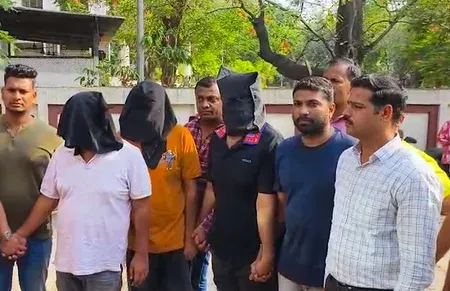
Bijendra Gupta , alleged mastermind of the Maharashtra TET paper leak , was arrested from Bihar on 25 July after months of evading arrest.
A second accused was also apprehended during the same operation by Maharashtra Police .
Gupta is suspected of links to multiple examination paper leak cases across India; his wife had been arrested earlier in the same case.
Maharashtra Police will seek transit remand to bring him to the state for interrogation and to map wider syndicate networks.
The Union Cabinet approved amendments to the Public Examinations (Prevention of Unfair Means) Act, 2024 , proposing up to 10 years imprisonment and a ₹10 crore fine for organised paper leaks.
PM Modi has committed to establishing fast-track courts for examination fraud cases.
Bijendra Gupta, the alleged mastermind behind the Maharashtra Teacher Eligibility Test (TET) paper leak, has been arrested by Maharashtra Police from Bihar after evading law enforcement for several months, officials confirmed on Saturday, 25 July. A second accused believed to be associated with the case was also apprehended during the same operation.
Months-Long Manhunt Ends in Bihar
Gupta had remained at large despite repeated raids by Maharashtra Police at multiple locations across Bihar. Investigators had launched an extensive interstate search operation after earlier attempts to apprehend him failed. His wife had already been arrested in connection with the same case, making Gupta one of the most wanted accused in the TET paper leak probe.
According to investigators, Gupta is suspected of playing a pivotal role in multiple examination paper leak cases reported from different parts of the country, suggesting his alleged involvement extends well beyond Maharashtra.
What Happens Next
Following his arrest, Maharashtra Police is expected to bring Gupta to the state on transit remand for sustained interrogation. Officials are also examining his alleged links with other paper leak syndicates operating across India to map the wider network and determine possible involvement in similar cases elsewhere.
Centre Moves to Tighten the Law
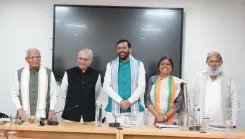
The arrest comes days after the Union Cabinet, chaired by Prime Minister Narendra Modi, approved a Draft Bill proposing significantly stricter penalties for paper leaks in competitive examinations. The Cabinet meeting was held at the Parliament House complex on Friday, a day before Gupta's arrest was confirmed.
The proposed amendments to The Public Examinations (Prevention of Unfair Means) Act, 2024 would impose a jail term of up to 10 years and a maximum fine of ₹10 crore in cases of organised paper leaks. This marks a substantial escalation from the existing law, which provides for three to five years of imprisonment for individuals and five to ten years with a minimum fine of ₹1 crore for organised offences. Prime Minister Modi had also publicly committed to introducing fast-track courts to handle such cases and safeguard students' futures.
A Systemic Crisis in Plain Sight
The Maharashtra TET leak is part of a broader pattern of examination fraud that has rattled public confidence in recruitment and eligibility tests across India. This comes amid mounting pressure on state and central authorities to dismantle paper leak networks that critics argue have operated with near-impunity for years. Notably, the Cabinet's legislative move signals that the Centre is treating exam fraud as a national security-level concern rather than a state-level administrative failure.
Point of View
But the more telling detail is how long it took — months of repeated failed raids in a single state. That timeline raises uncomfortable questions about inter-state coordination and whether existing extradition and transit remand mechanisms are fit for purpose against mobile, multi-state syndicates. The Cabinet's legislative push is welcome, but stiffer penalties on paper mean little if enforcement architecture remains fragmented. India's exam fraud problem is not a shortage of laws; it is a shortage of institutional will to pursue kingpins before they establish alibis across state lines.
NationPress
23 Oct 2026
Frequently Asked Questions
Who is Bijendra Gupta and why was he arrested?
Bijendra Gupta is the alleged mastermind behind the Maharashtra Teacher Eligibility Test (TET) paper leak. He was arrested by Maharashtra Police from Bihar on 25 July after evading arrest for several months despite repeated raids. He is also suspected of involvement in multiple examination paper leak cases across India.
What is the Maharashtra TET paper leak case?
The Maharashtra TET paper leak case involves the alleged leaking of question papers for the Teacher Eligibility Test, a mandatory qualifying exam for school teachers in Maharashtra. Several accused, including Gupta's wife, had been arrested earlier, but Gupta himself remained at large until his Bihar arrest.
What will happen to Bijendra Gupta now?
Maharashtra Police is expected to bring Gupta to Maharashtra on transit remand for sustained interrogation. Investigators will also probe his alleged connections with other paper leak syndicates operating across the country.
What are the new penalties proposed for exam paper leaks in India?
The Union Cabinet has approved amendments to the Public Examinations (Prevention of Unfair Means) Act, 2024, proposing up to 10 years in prison and a maximum fine of ₹10 crore for organised paper leaks. The existing law provides for three to five years for individuals and five to ten years with a minimum ₹1 crore fine for organised offences.
How does the Cabinet's new bill relate to the Maharashtra TET case?
The Cabinet approved the stricter bill on Friday, a day before Gupta's arrest was confirmed, as part of a broader national response to rampant examination fraud. PM Modi has also announced fast-track courts to expedite trials in such cases, signalling a shift toward treating exam fraud as a systemic national issue.