Did Cong MP Submit Adjournment Motion Again in LS Regarding India-US Trade Deal?
Synopsis
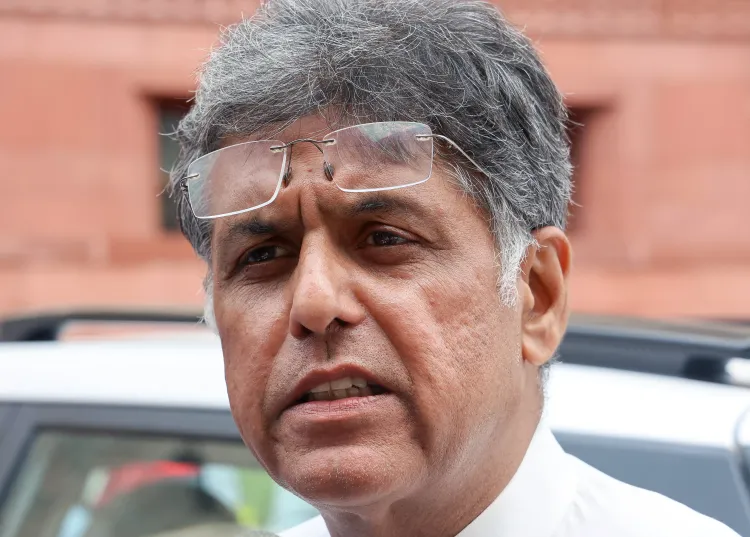
On February 10, Congress MP Manish Tewari once again initiated an adjournment motion in the Lok Sabha, requesting a discussion on the recent India-US trade deal and concerns over Russian oil purchases, highlighting potential risks to India's energy security and the agricultural sector.
Key Takeaways
Congress MP Manish Tewari submitted an adjournment motion for discussion in Lok Sabha.
The focus is on the USA–India Joint Statement and concerns over Russian oil purchases.
This is Tewari's third submission regarding this matter.
The recent trade agreement has sparked criticism from opposition parties.
The framework includes a reciprocal tariff rate of 18% on Indian goods.
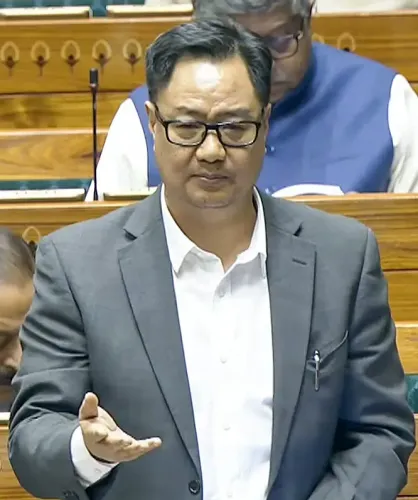
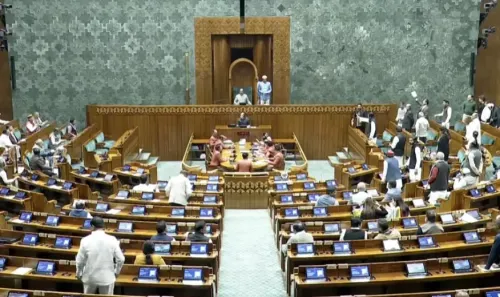
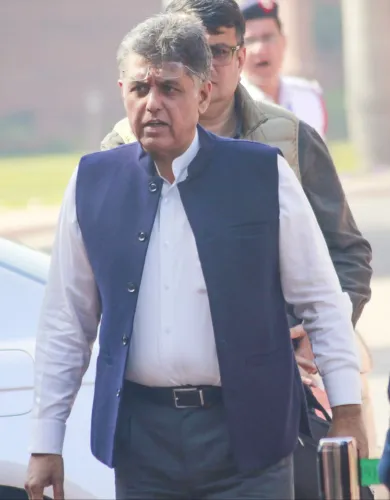
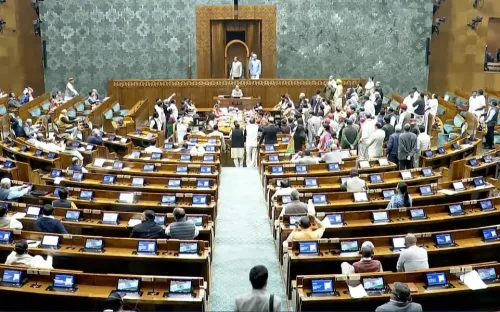
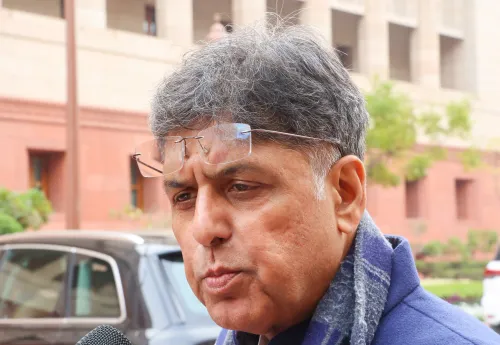
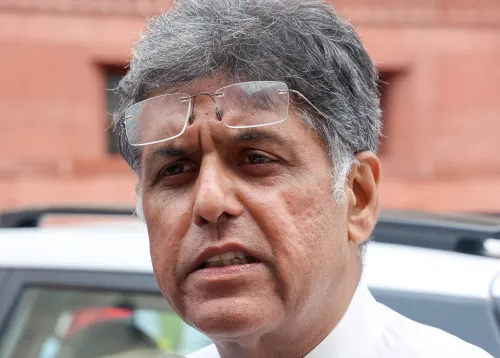
New Delhi, Feb 10 (NationPress) Congress MP Manish Tewari has once again submitted an adjournment motion in the Lok Sabha, calling for a discussion on the USA–India Joint Statement concerning the Interim Trade Agreement and the apprehensions related to the acquisition of Russian oil.
This marks the third instance of Tewari's submission on this pressing issue.
On February 2, India and the US announced a trade agreement following a conversation between Prime Minister Narendra Modi and President Donald Trump. Subsequently, on February 7, both nations released a joint statement about the interim trade agreement, which was later followed by an executive order signed by the US President.
In his motion, Tewari stated, "I propose that this House suspend Question Hour, Zero Hour, and all other scheduled business for the day to address the serious issues arising from the USA–India Joint Statement concerning the Interim Trade Agreement and the recent Executive Order from the White House."
He expressed concerns that commitments regarding Russian oil purchases and concessions related to agriculture might have been made, raising significant questions about India's energy security, the interests of farmers, and the nation's strategic autonomy. He urged the Government to make an immediate statement and facilitate a comprehensive discussion in Parliament.
The trade agreement has elicited criticism from opposition parties, who argue that the pact is disproportionately advantageous to the US and not in India's favor.
According to both nations, they have established a framework for an Interim Agreement characterized by "reciprocal and mutually beneficial trade." This development keeps the discussions progressing toward a complete US-India Bilateral Trade Agreement, which was initiated by Trump and Modi last February.
Both parties hailed the framework as a historic achievement, aiming for equitable trade and tangible outcomes. For India, the advantages primarily focus on tariffs, sector-specific access, and alleviating long-standing trade impediments.
Under this framework, the United States will impose a reciprocal tariff rate of 18 percent on Indian goods.
Point of View
It is essential to acknowledge the ongoing debates surrounding the India-US trade agreement. While the government's push for bilateral trade is commendable, the concerns raised by opposition leaders highlight the need for transparency and rigorous discussion in Parliament to safeguard national interests and ensure that trade agreements are mutually beneficial.
NationPress
19 Sept 2026
Frequently Asked Questions
What is the purpose of the adjournment motion submitted by Manish Tewari?
The adjournment motion aims to facilitate a discussion in the Lok Sabha regarding the USA–India Joint Statement on the Interim Trade Agreement and concerns about the purchase of Russian oil.
How many times has Tewari submitted this motion?
This is the third time Manish Tewari has submitted an adjournment motion on this issue.
What were the main concerns raised by Tewari?
Tewari raised concerns regarding India's energy security, the interests of farmers, and strategic autonomy due to commitments potentially made in relation to Russian oil and agricultural concessions.
What did the India-US trade deal entail?
The trade deal, reached on February 2, aims for reciprocal and mutually beneficial trade, with a framework that includes a reciprocal tariff rate of 18% on Indian goods.
What has been the response from opposition parties regarding the trade deal?
Opposition parties have criticized the trade agreement, arguing that it disproportionately favors the US and does not align with India's interests.