Tharoor Weighs In on Idli Quality in Playful X Exchange
Synopsis
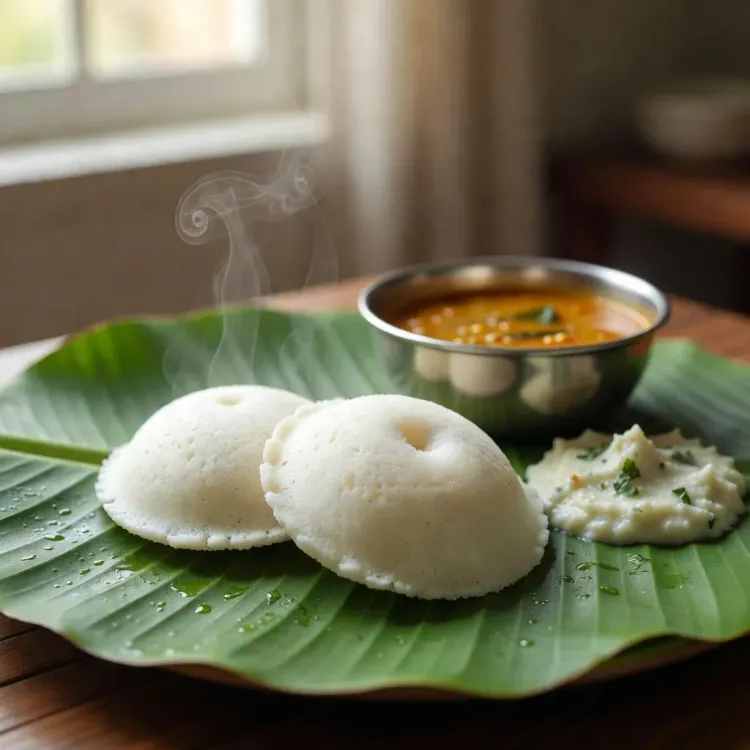
Congress MP Dr. Shashi Tharoor offered a candid critique of an idli shared in an X thread on June 7, 2026, calling it too dense and discoloured while expressing his preference for a soft, fluffy, snowy-white version of the South Indian staple.
Key Takeaways
Shashi Tharoor posted on X on June 7, 2026 in response to a social media exchange involving an image of an idli.
Tharoor described the idli in the image as 'too solid and dense' and noted its 'discolouration' as unappealing.
He expressed a clear preference for idlis that are 'perfectly soft, snowy-white, and fluffy.' The post is part of Tharoor's broader pattern of informal, culturally engaged social media interactions.
Tharoor represents Thiruvananthapuram , Kerala, where South Indian food culture holds strong cultural significance.
Congress MP Dr. Shashi Tharoor took to X on Sunday, June 7, 2026, to share his candid views on idli preparation, responding to what he described as a provocation in an ongoing social media exchange.
Context
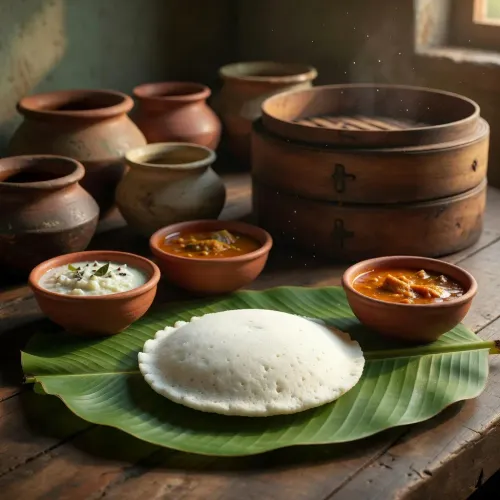
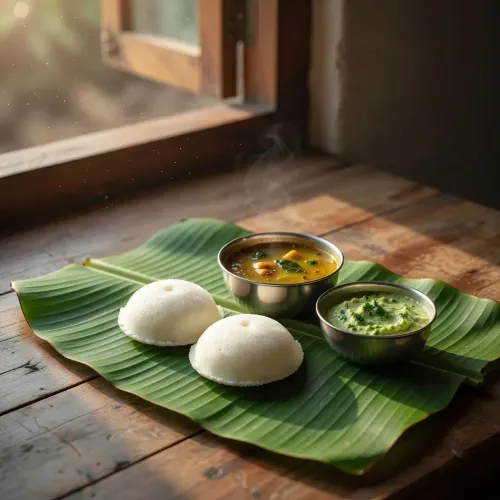
In the post, Tharoor remarked, 'I have to be honest: that idli looks a bit too solid and dense for my liking. And the discolouration in the pic is not very appetising.' He went on to describe his preference for 'a perfectly soft, snowy-white, fluffy idli,' signalling clear standards when it comes to the South Indian staple.
The post was a reply in an ongoing thread, with Tharoor acknowledging that the other party was 'provoking' him before offering his unfiltered culinary assessment.
Policy Backdrop
While the exchange is entirely informal, it reflects a well-established pattern of Indian public figures using social media to engage with everyday cultural topics. Idli, a fermented rice-and-lentil steamed cake, is central to South Indian culinary identity and holds particular resonance in Kerala and Tamil Nadu.
Tharoor, who represents Thiruvananthapuram — the capital of Kerala — has a documented history of referencing South Indian food culture in his online interactions, often using such moments to connect with constituents on a personal level.
Stakeholders and Impact
The post drew attention from followers who follow Tharoor for both his political commentary and his lighter, culturally engaged social media presence. His willingness to offer a frank critique — calling the pictured idli 'too solid and dense' and noting its 'discolouration' — sparked further engagement around regional food standards and personal taste.
Such informal exchanges, while outside formal policy discourse, contribute to a politician's public persona and relatability, particularly among younger, digitally active voters.
What's Next
The thread is likely to continue, with Tharoor having left his description of the ideal idli unfinished — suggesting further elaboration may follow. Whether the exchange remains a lighthearted cultural moment or evolves into a broader conversation about South Indian culinary heritage remains to be seen.
Point of View
Engaging with South Indian culinary identity — even informally — reinforces constituency ties. While the post carries no policy weight, it reflects the growing importance of personal relatability in digital political communication. Such moments, trivial in isolation, cumulatively shape a public figure's approachability and brand.
NationPress
22 Oct 2026
Frequently Asked Questions
What did Shashi Tharoor say about idli on X?
Tharoor said the idli shown to him looked 'too solid and dense' and that its discolouration was unappealing, adding that he prefers a perfectly soft, snowy-white, fluffy idli.
Why did Shashi Tharoor post about idli?
He was responding to another user in an X thread who he said was 'provoking' him, prompting him to share his candid opinion on the idli shown in the exchange.
Is Shashi Tharoor from South India?
Yes, Dr. Shashi Tharoor is the Congress MP from Thiruvananthapuram, the capital of Kerala, and has frequently referenced South Indian culture in his public communications.
What is the ideal idli according to Tharoor?
According to the post, Tharoor values an idli that is perfectly soft, snowy-white, and fluffy, contrasting it with what he described as a dense and discoloured version.
Does Shashi Tharoor often post about food on social media?
Tharoor has a documented history of referencing South Indian food and cultural topics in his social media posts, often using such moments for informal engagement with followers.