Tharoor Spotlights Ramasserry Idli, Kerala's Dosa-Shaped Delicacy
Synopsis
Congress MP Dr. Shashi Tharoor spotlighted the Ramasserry idli from Palakkad, Kerala — a flat, dosa-shaped delicacy with the taste of a traditional idli. The post renews attention on hyper-local Kerala cuisine and the potential for formal cultural and tourism recognition of the dish.
Key Takeaways
Shashi Tharoor posted about the Ramasserry idli on June 8, 2026 , calling it 'a very special type' of idli.
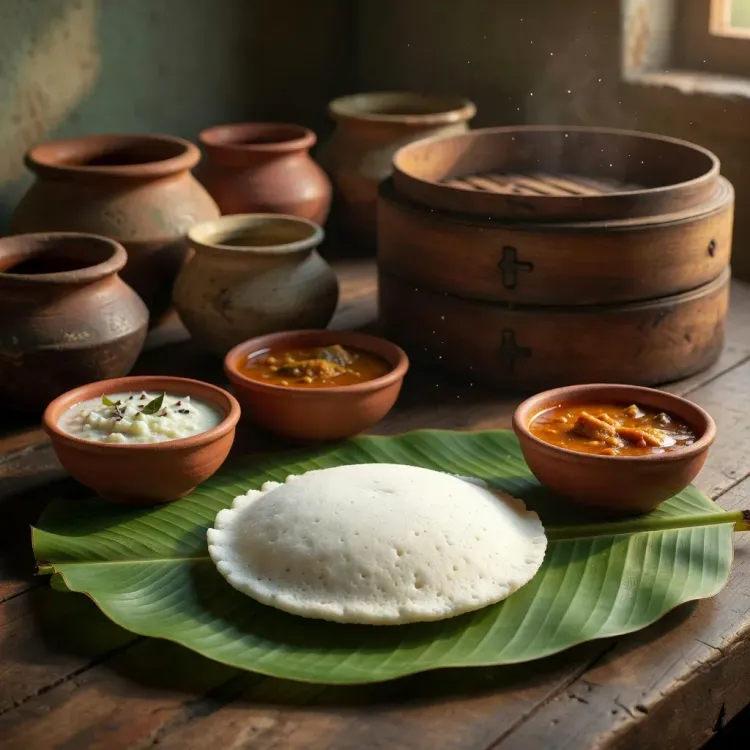
The dish originates from Ramasserry village in Palakkad district, Kerala , and is distinct for its flat, dosa-like appearance.
Despite its appearance, the Ramasserry idli retains the taste and texture of a traditional idli, prepared via a unique batter and steaming method.
The dish represents a hyper-local culinary tradition passed down through generations of families in Palakkad.
Advocates have previously raised the possibility of a Geographical Indication (GI) tag for distinctive Kerala food products.
Tharoor regularly uses social media to spotlight regional Indian heritage, contributing to broader cultural visibility for lesser-known traditions.
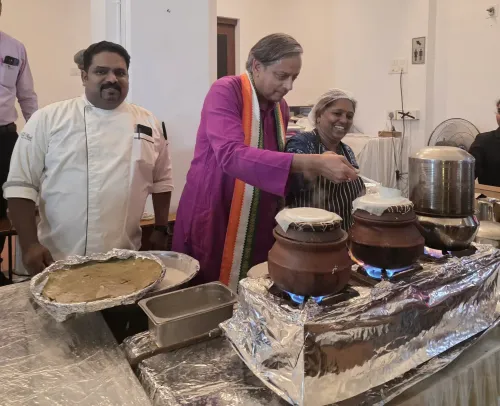
Congress MP Dr. Shashi Tharoor on Monday, June 8, 2026, drew attention to the Ramasserry idli, a rare traditional dish from Kerala that he described as looking like a dosa but tasting like an idli, calling it 'a very special type' that is 'not a typical idli.'
Context
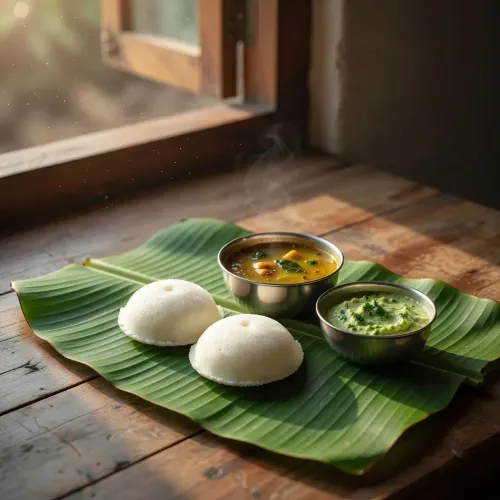
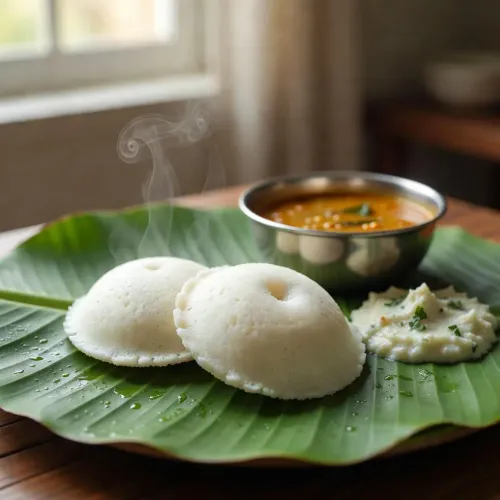
The Ramasserry idli originates from Ramasserry village in Palakkad district, Kerala. Unlike the conventional round, thick idli steamed in moulds, the Ramasserry variant is notably flat and wide — resembling a dosa in appearance — yet retains the soft, fermented texture and taste associated with traditional idlis.
The dish is prepared using a distinctive batter and a specialised steaming method passed down through generations of local families, making it a product of hyper-local culinary knowledge rather than commercial food culture.
Policy Backdrop
Kerala's regional foods have periodically entered national conversations around cultural preservation and tourism promotion. State tourism bodies have highlighted Palakkad's cuisine — shaped by its geography as a transition zone between Kerala and Tamil Nadu — as a draw for culinary travellers.
Separately, India's Geographical Indication (GI) tag framework has been used to protect and promote traditional food products, and several Kerala dishes and agricultural products have sought or received such recognition in recent years. Advocates for traditional foods argue that social visibility — including posts by public figures — can precede formal protection efforts.
Stakeholders and Impact
The families and small food stalls in Ramasserry that have traditionally prepared and sold this idli variety stand to benefit directly from increased public awareness. Culinary tourism to Palakkad, already noted for its distinct cuisine, could see renewed interest following wider circulation of the dish's profile.
Dr. Tharoor, who represents Thiruvananthapuram in the Lok Sabha and is a former UN Under-Secretary-General, has a well-established pattern of using his social media platform to highlight regional Indian traditions, food cultures, and heritage — contributing to what observers describe as a soft-power case for India's culinary diversity.
What's Next
The post may renew calls from Kerala food advocates and cultural organisations for a formal GI tag for the Ramasserry idli, a step that would legally protect the dish's name and origin. State tourism campaigns focusing on Palakkad's culinary heritage could also leverage the renewed attention.
As India's food-tourism sector grows, niche regional dishes with a compelling visual identity — like the Ramasserry idli's dosa-like form — are increasingly well-positioned to attract both domestic and international visitors.
Point of View
Such posts serve a soft-power function — building a positive regional brand at no institutional cost. The Ramasserry idli, with its visually striking dosa-like form, is precisely the kind of 'discovery' content that travels well on social media and can translate into tangible tourism interest. The longer arc here is whether grassroots visibility of this kind eventually feeds into formal recognition mechanisms like GI tags or state-sponsored culinary festivals.
NationPress
23 Oct 2026
Frequently Asked Questions
What is a Ramasserry idli?
The Ramasserry idli is a traditional flat idli variety from Ramasserry village in Palakkad district, Kerala. It looks like a dosa due to its wide, flat shape but has the soft taste and texture of a conventional idli, made using a unique batter and steaming technique.
Where does Ramasserry idli come from?
It comes from Ramasserry, a village in Palakkad district in Kerala. Palakkad's cuisine is influenced by its position as a geographical corridor between Kerala and Tamil Nadu, giving it a distinct culinary identity.
Why did Shashi Tharoor post about Ramasserry idli?
Dr. Tharoor shared the post on June 8, 2026, describing the dish as 'a very special type' that 'looks like a dosa but tastes like an idli.' He frequently uses social media to highlight regional Indian food and cultural traditions.
Does Ramasserry idli have a GI tag?
As of available information, the Ramasserry idli has not been confirmed to hold a GI tag, though advocates for Kerala's traditional foods have raised the possibility of formal recognition for distinctive local dishes.
How is Ramasserry idli different from regular idli?
Unlike the standard round, thick idli steamed in individual moulds, the Ramasserry idli is flat and wide, resembling a dosa in shape. Its preparation involves a distinct batter and steaming method unique to the Ramasserry region.