Tharoor-led panel visits Army forward posts on Kargil-Leh drive
Synopsis
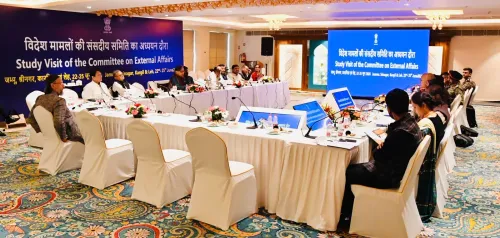
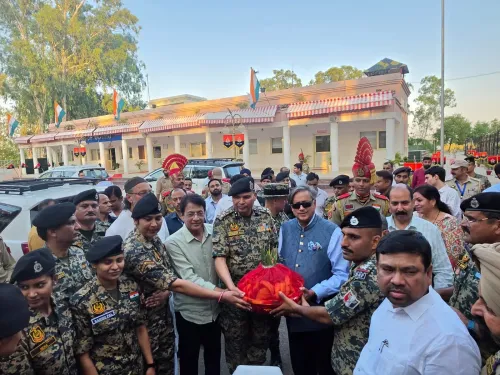
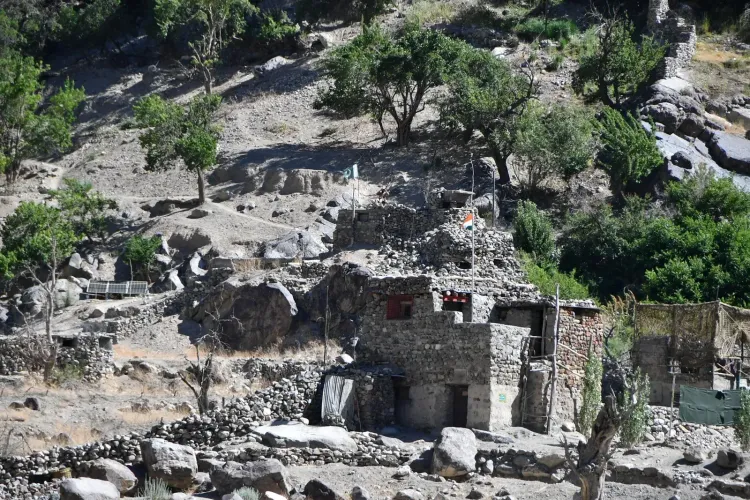
Congress MP Dr. Shashi Tharoor's Parliamentary Standing Committee on External Affairs made a rare visit to restricted Indian Army forward posts on the Kargil-Leh route on 25 June 2026, witnessing conditions from summer sunshine to minus 40-degree winters where the Maratha Regiment is deployed.
Key Takeaways
The Parliamentary Standing Committee on External Affairs , led by Dr.
Shashi Tharoor , visited restricted Indian Army forward posts on 25 June 2026 .
The drive from Kargil to Leh granted the committee rare civilian access to areas normally off-limits to non-military personnel.
Forward posts in the region experience conditions ranging from summer sunshine to 12 feet of snow and temperatures as low as minus 40 degrees Celsius .
Photography was largely restricted during the visit, reflecting the sensitive operational nature of the locations.
The Maratha Regiment , currently deployed at a forward position, was noted by Dr.
Tharoor for marking their presence at the post's entrance.
The visit is expected to inform the committee's upcoming report on border security and external affairs.
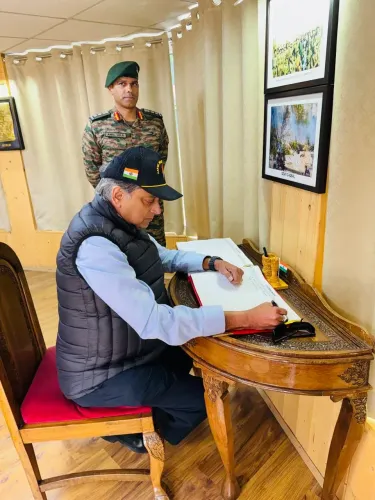
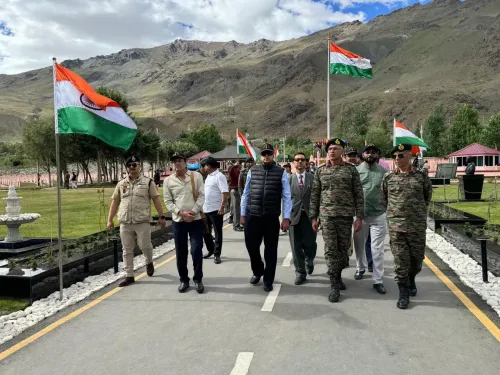
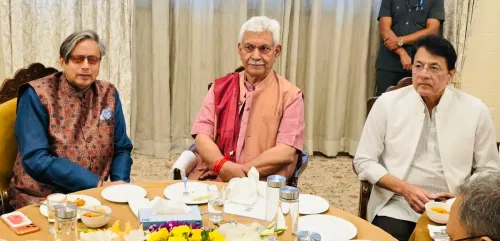
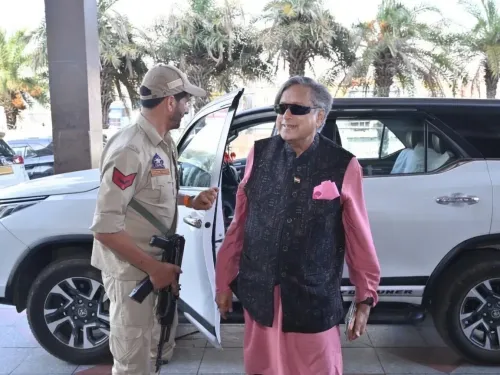
Congress MP Dr. Shashi Tharoor, chairperson of the Parliamentary Standing Committee on External Affairs, on 25 June 2026 undertook a restricted drive from Kargil to Leh alongside fellow committee members, gaining rare civilian access to Indian Army forward posts along one of the world's most demanding high-altitude frontiers.
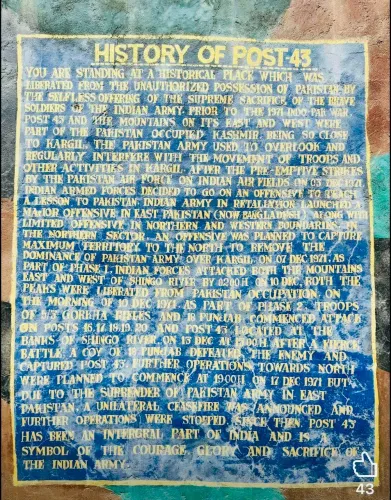
Sharing the experience on social media, Dr. Tharoor described it as 'an astonishing drive' that took the committee 'to places only the Army is allowed to go — the forward posts that they man in conditions that range from bright summer sunshine to 12 ft of snow and minus 40 degree temperatures.' He noted that photography was largely restricted, and singled out the Maratha Regiment, currently deployed at a forward position, for leaving their mark at the post's entrance.
Context
The Kargil-Leh corridor passes through some of the most strategically sensitive terrain in Ladakh, a Union Territory that shares both the Line of Control (LoC) with Pakistan and the Line of Actual Control (LAC) with China. Indian Army units man these posts year-round under extreme conditions, with winter temperatures plunging to minus 40 degrees Celsius and snowfall reaching up to 12 feet. Civilian access to forward positions is tightly controlled, making the committee's visit an exceptional instance of legislative oversight in a restricted operational zone.
Policy Backdrop
Parliamentary engagement with Ladakh's forward military zones intensified following the 1999 Kargil conflict, after which the Kargil Review Committee recommended stronger legislative oversight of defence preparedness and border management. That mandate gained renewed urgency after the 2020 Galwan Valley clash, which prompted parliamentary committees to expand field visits to assess high-altitude deployments and logistics firsthand. The Standing Committee on External Affairs sits at the intersection of foreign policy and border security, making such ground-level visits a direct input into its oversight function.
The Maratha Regiment, one of the Indian Army's oldest and most decorated infantry regiments, has a long history of deployment in high-altitude and forward sectors. Their visible presence at the post visited by the committee underscores the sustained human commitment required to hold these positions through every season.
Stakeholders and Impact
For Indian Army personnel stationed at forward posts, a parliamentary committee visit carries significance beyond symbolism — it places legislators in direct contact with operational realities that rarely surface in policy debates in New Delhi. Troop welfare, infrastructure adequacy, and logistical challenges at high altitude are issues that can translate into budgetary and legislative action once committee members return from the field.
For the broader public, Dr. Tharoor's account — even with photography restricted — offers a rare civilian window into conditions that soldiers endure routinely. His description of the range from 'bright summer sunshine to 12 ft of snow and minus 40 degree temperatures' at the same posts highlights the extraordinary demands placed on deployed units across seasons.
What's Next
The committee's field observations are expected to feed into its forthcoming report on border security and external affairs, which could address infrastructure gaps, troop welfare measures, and the broader diplomatic context of India's posture in Ladakh. Any tabling of that report in Parliament, or subsequent debates on Ladakh-related defence spending and infrastructure, will be closely watched by both security analysts and the armed forces community. The visit also sets a precedent for deeper legislative engagement with forward military deployments in contested high-altitude zones.
Point of View
Which gained momentum after the 2020 Galwan clash, signal that parliamentary scrutiny of defence and border policy is becoming more operationally grounded rather than purely document-driven. Dr. Tharoor's public account of the visit — even with photographs restricted — serves to bring the lived reality of high-altitude military deployment into civilian and political discourse. The committee's field findings could carry weight in upcoming parliamentary debates on Ladakh infrastructure, troop welfare, and India's long-term strategic posture on both the LoC and LAC.
NationPress
27 Jun 2026
Frequently Asked Questions
Why did the Parliamentary Standing Committee on External Affairs visit Kargil and Leh?
The committee visited to conduct firsthand oversight of Indian Army forward posts in Ladakh, assessing operational conditions, troop welfare, and border security infrastructure as part of its legislative mandate.
Who led the parliamentary committee visit to Ladakh forward posts in June 2026?
Congress MP Dr. Shashi Tharoor, who chairs the Parliamentary Standing Committee on External Affairs, led the visit on 25 June 2026.
What are the conditions at Indian Army forward posts in Ladakh?
Forward posts in the Kargil-Leh sector experience extreme conditions, including snowfall of up to 12 feet and temperatures dropping to minus 40 degrees Celsius in winter, alongside bright summer sunshine in warmer months.
Which regiment did Shashi Tharoor mention during the Ladakh visit?
Dr. Tharoor mentioned the Maratha Regiment, which is currently deployed at a forward post and was noted for marking their presence at the post's entrance.
Can civilians visit Indian Army forward posts in Ladakh?
No, forward posts in Ladakh are restricted to military personnel. Parliamentary standing committees are among the very few civilian bodies granted access as part of legislative oversight functions.