CM Nayab Saini Reviews Governance, Health & Sanitation in Chandigarh
Synopsis
Chief Minister Nayab Singh Saini chaired a review meeting in Chandigarh with CMGGA officials on 27 June 2026, issuing directives on pre-monsoon drain cleaning, ward sanitation rankings, hospital capacity expansion, health service digitisation, and NEP implementation across Haryana.
Key Takeaways
CM Nayab Singh Saini chaired a multi-department review meeting in Chandigarh on 27 June 2026 with CMGGA associates and senior officials.
All drains across Haryana must be cleaned by 30 June 2026 , ahead of the monsoon season.
Regular door-to-door waste collection and roadside plantation of flowering plants were directed for public spaces.
A ward-level cleanliness ranking system will be introduced to identify and honour top-performing wards.
District hospitals are to expand capacity and integrate health services with digital platforms under the Ayushman Bharat framework.
The meeting also reviewed progress on the National Education Policy 2020 and water management in the state.
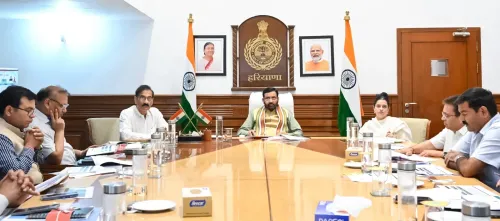
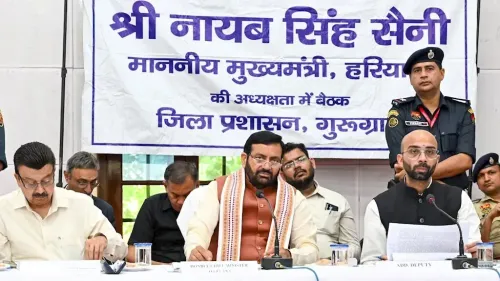
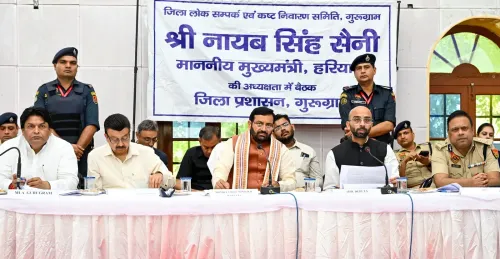
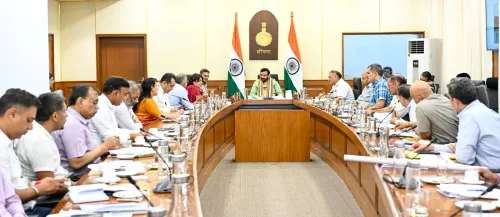
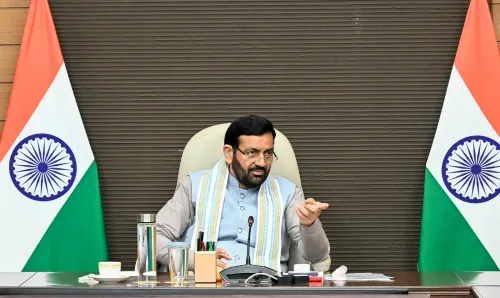
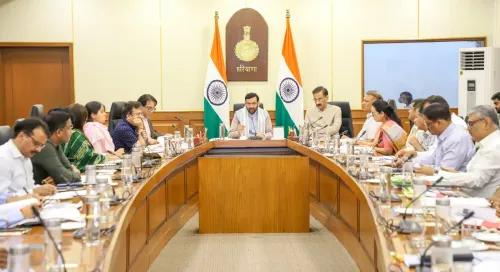
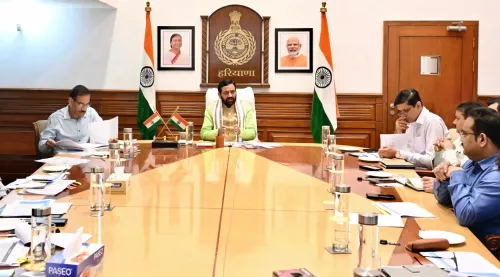
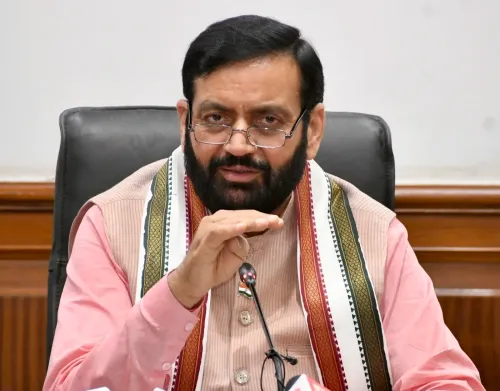
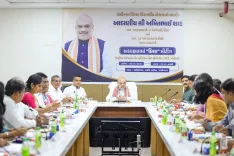
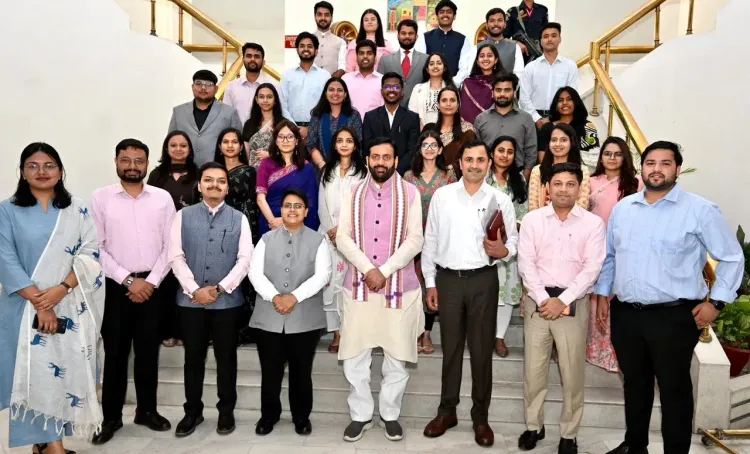
The Chief Minister's Office of Haryana announced on Saturday, 27 June 2026, that Chief Minister Nayab Singh Saini chaired a comprehensive review meeting in Chandigarh with Chief Minister's Good Governance Associates (CMGGA) and senior departmental officials, issuing directives spanning solid waste management, water management, the National Education Policy, and the Ayushman Bharat scheme.
What the Meeting Covered
The meeting brought together officials from multiple departments under CM Saini's direct oversight to assess on-ground progress across key public service verticals. According to the official post, the Chief Minister directed that public spaces be kept clean through regular door-to-door waste collection and that flowering plants be planted along roadsides to improve civic aesthetics. He also ordered that all drains be cleaned by 30 June 2026 — ahead of the monsoon season — to prevent waterlogging and vector-borne disease outbreaks.
On sanitation performance, Saini called for a ward-level ranking system to identify and honour wards with outstanding cleanliness records, a mechanism designed to introduce competitive accountability at the local governance level.
Context
The CMGGA programme, launched by Haryana in 2016, deploys trained young professionals at the district level to monitor scheme implementation and report directly to the Chief Minister's Office. Its inclusion in this review signals the government's intent to use real-time field data — not just departmental reports — to drive corrective action. Chandigarh, the shared capital of Haryana and Punjab, is the routine venue for such high-level administrative reviews given its infrastructure and proximity to key secretariat offices.
Pre-monsoon drain cleaning is part of an annual administrative cycle followed across Indian states. The 30 June deadline aligns with the typical onset of the north Indian monsoon, after which clogged drains become a primary cause of urban flooding and disease spread.
Policy Backdrop
CM Saini's directives on hospital strengthening are consistent with Haryana's ongoing alignment with the Ayushman Bharat Pradhan Mantri Jan Arogya Yojana, launched nationally in 2018, which provides up to Rs 5 lakh health coverage per eligible family for secondary and tertiary care. The Chief Minister specifically called for district hospitals to expand their capacity and integrate health services with digital platforms — a step that would allow patient data and claim processing to feed into centralised dashboards.
On education, the meeting reviewed implementation of the National Education Policy 2020, India's first new education framework in 34 years, which Haryana began rolling out from 2021 onwards. NEP 2020 emphasises multidisciplinary learning, mother-tongue instruction, and vocational training from Class 6. The review indicates the state is tracking its phased adoption at the school level.
Solid waste management directives echo the Swachh Bharat Mission (Urban), which was expanded in 2017 with explicit targets for source segregation and waste processing by municipal bodies. Ward-level rankings mirror the competitive framework used in the national Swachh Survekshan surveys.
Stakeholders and Impact
Urban residents stand to benefit most immediately from the sanitation and drain-cleaning orders, particularly in towns prone to monsoon flooding. Patients at government hospitals — especially those from economically weaker sections relying on Ayushman Bharat coverage — are the primary stakeholders in the hospital digitisation and capacity-expansion push. School students and teachers will be affected by any accelerated NEP rollout decisions taken following the review.
Municipal ward representatives face a new accountability layer through the proposed ranking system, which could influence administrative recognition and resource prioritisation at the ward level.
What's Next
The immediate benchmark is the 30 June 2026 drain-cleaning deadline, compliance with which will be a visible test of the meeting's directives translating into field action. Publication of ward cleanliness rankings and the timeline for hospital digitisation integration with Ayushman Bharat dashboards will be the next indicators to watch. Haryana's record of using CMGGA professionals for real-time monitoring suggests follow-up assessments are likely within weeks of the deadline.
Point of View
A pattern that has become a hallmark of Haryana's administrative style since 2016. The hard 30 June drain-cleaning deadline, publicly announced, raises the political stakes: failure to meet it will be visible on the ground before monsoon rains arrive. The twin emphasis on hospital digitisation and Ayushman Bharat integration fits a broader BJP-governed-state template of making centrally sponsored scheme delivery measurable and attributable. Ward-level sanitation rankings borrow directly from the competitive logic of Swachh Survekshan, suggesting the state is institutionalising that model at a sub-municipal level.
NationPress
27 Jun 2026
Frequently Asked Questions
What was discussed in CM Nayab Saini's review meeting on 27 June 2026?
CM Nayab Saini reviewed solid waste management, water management, the National Education Policy, HRD, and the Ayushman Bharat scheme with CMGGA associates and departmental officials in Chandigarh, issuing directives to make public services more effective, transparent, and technology-driven.
What is the deadline for drain cleaning in Haryana before monsoon 2026?
CM Saini ordered that all drains in Haryana be cleaned by 30 June 2026 , ahead of the monsoon season, to prevent waterlogging and vector-borne diseases.
What is the CMGGA programme in Haryana?
The Chief Minister's Good Governance Associates (CMGGA) is a Haryana initiative launched in 2016 that deploys young professionals at the district level to monitor scheme implementation and report directly to the Chief Minister's Office.
How will ward-level cleanliness rankings work in Haryana?
CM Saini directed that municipal wards be ranked on cleanliness performance, with outstanding wards to be formally recognised and honoured, introducing competitive accountability at the local governance level.
How is Haryana linking hospitals to the Ayushman Bharat scheme?
The Chief Minister directed district hospitals to expand their patient capacity and integrate health services with digital platforms, which would enable smoother Ayushman Bharat claim processing and monitoring through centralised dashboards.