Uttarakhand CMO highlights organ donation pledge drive at Shantikunj
Synopsis
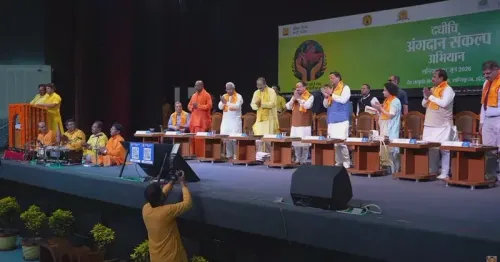
The Chief Minister's Office of Uttarakhand highlighted an organ donation event at Shantikunj, Haridwar, where experts discussed scientific, social and legal aspects of donation and Vedic acharyas led participants in a formal pledge on 27 June 2026.
Key Takeaways
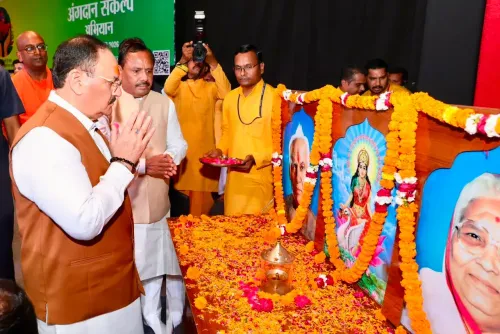
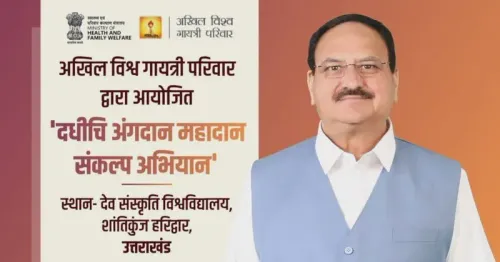
The Uttarakhand CMO shared details of an organ donation awareness and pledge event held at Shantikunj, Haridwar on 27 June 2026 .
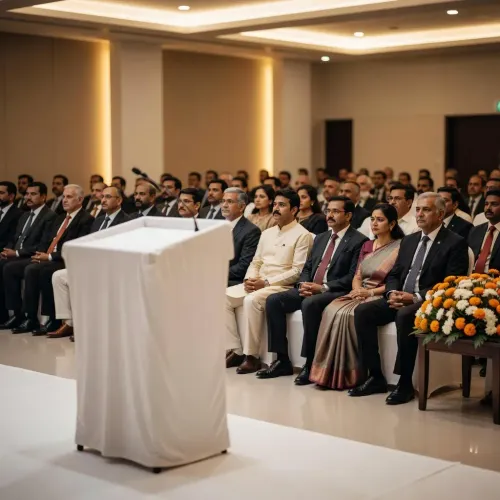
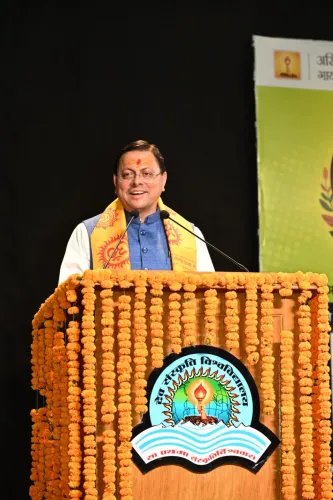
Multiple experts addressed the scientific, social and legal aspects of organ donation at the event.
Shantikunj acharyas conducted Vedic chanting and administered an organ donation pledge to participants.
Shantikunj is the headquarters of the All World Gayatri Pariwar, known for blending Vedic tradition with social reform.
India's organ donation framework is governed by the Transplantation of Human Organs and Tissues Act , with NOTTO as the national coordinating body.
India's deceased organ donation rate remains among the lowest globally , making awareness drives a policy priority.
The Chief Minister's Office of Uttarakhand shared details on Saturday, 27 June 2026 of an organ donation awareness event held at Shantikunj, Haridwar, where experts addressed scientific, social and legal dimensions of organ donation and participants took a formal pledge guided by Vedic rites.
Context
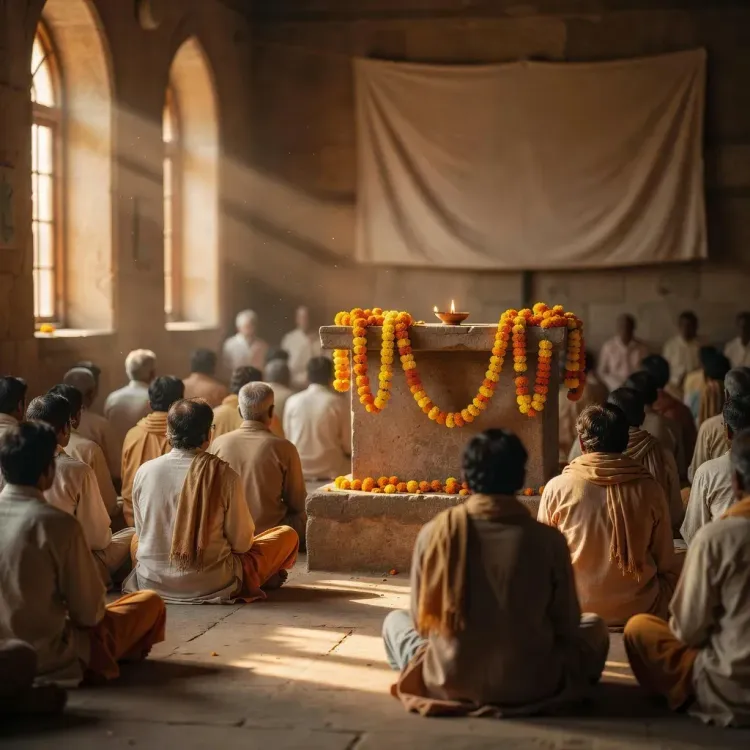
The post, shared by the official @ukcmo account, describes an event at which multiple specialists deliberated on the 'scientific, social and legal aspects of organ donation' (angdaan ke vaigyanik, samajik evam kanooni pahaluon par vichar). Acharyas of Shantikunj then led participants in a solemn pledge to donate organs, accompanied by Vedic chanting (Vaidik mantrochchar).
Shantikunj is the Haridwar headquarters of the All World Gayatri Pariwar, a socio-spiritual movement that has historically combined Vedic practices with social reform campaigns, making it a credible platform for outreach on sensitive health topics.
Policy Backdrop
India's organ donation framework rests on the Transplantation of Human Organs Act, 1994, which regulates the removal, storage and transplantation of organs and prohibits commercial dealings. A 2011 amendment expanded coverage to tissues, introduced swap transplants and tightened the regulatory architecture.
At the national level, the National Organ and Tissue Transplant Organisation (NOTTO), functioning under the Ministry of Health and Family Welfare, serves as the nodal agency for coordinating procurement, distribution and transplantation across states. Indian states, including Uttarakhand, have participated in NOTTO-coordinated campaigns aimed at closing the wide gap between organ supply and patient demand.
Stakeholders and Impact
India's deceased organ donation rate remains among the lowest globally, a gap that advocacy events of this kind seek to narrow by combining medical information with religious and community endorsement. Pairing legal and scientific briefings with a Vedic pledge ceremony is a deliberate strategy to address cultural and spiritual hesitancy that often discourages families from consenting to donation.
The primary beneficiaries are the thousands of patients currently on transplant waiting lists across Uttarakhand and neighbouring states. Potential donors who take a formal, publicly witnessed pledge are statistically more likely to register and to communicate their wishes to family members.
What's Next
Awareness events of this scale typically feed into state-level follow-up drives, expanded donor registry enrolment and, in some cases, legislative or budgetary discussions on strengthening organ retrieval infrastructure. Observers will watch whether the Uttarakhand government announces concrete targets for donor registration or additional resource allocation for transplant facilities in the state. The involvement of an institution as widely respected as Shantikunj could amplify reach into rural and semi-urban communities where awareness remains limited.
Point of View
The state is effectively co-opting religious authority to legitimise a modern medical imperative. This approach mirrors patterns seen in vaccination and blood donation campaigns, where community and faith leaders have historically moved the needle more than institutional messaging. If followed by concrete infrastructure investment and registry expansion, such events could meaningfully improve Uttarakhand's contribution to national organ availability.
NationPress
27 Jun 2026
Frequently Asked Questions
What happened at the organ donation event at Shantikunj Haridwar?
Experts spoke on the scientific, social and legal aspects of organ donation, and acharyas of Shantikunj led participants in a formal organ donation pledge accompanied by Vedic chanting, as shared by the Uttarakhand Chief Minister's Office on 27 June 2026.
What is Shantikunj and why was it chosen for an organ donation event?
Shantikunj is the Haridwar headquarters of the All World Gayatri Pariwar socio-spiritual movement, known for combining Vedic practices with social reform. Its wide community credibility makes it an effective platform for sensitive health awareness campaigns.
What is India's law on organ donation?
Organ donation in India is governed by the Transplantation of Human Organs and Tissues Act, originally enacted in 1994 and amended in 2011 to include tissues, introduce swap transplants and strengthen regulation. NOTTO, under the Ministry of Health and Family Welfare, coordinates national organ procurement and distribution.
Why is organ donation awareness important in India?
India's deceased organ donation rate is among the lowest in the world, meaning thousands of patients on transplant waiting lists do not receive organs in time. Awareness drives aim to address both cultural reluctance and lack of information about the legal and medical process.
What is NOTTO and what role does it play in organ donation in Uttarakhand?
NOTTO, the National Organ and Tissue Transplant Organisation, is the nodal agency under India's Ministry of Health and Family Welfare that coordinates organ and tissue procurement and distribution. Uttarakhand has previously participated in NOTTO-coordinated awareness campaigns to expand donor registries and improve transplant infrastructure.