CM Uttarakhand Highlights Upla Taknour as Rising Winter Tourism Hub
Synopsis
The Uttarakhand CMO has spotlighted the Upla Taknour cluster in Uttarkashi's Bhatwari block — covering villages Bagori, Harsil, and Mukhwa — as a fast-rising winter tourism destination, reflecting the state's broader push to diversify beyond the Char Dham summer circuit and generate year-round income in remote Himalayan communities.
Key Takeaways
The Chief Minister's Office of Uttarakhand officially promoted the Upla Taknour area in Bhatwari block, Uttarkashi as an emerging tourism destination on 27 June 2026 .
Villages Bagori , Harsil , and Mukhwa are being positioned as major centres for winter tourism , not just natural beauty.
Uttarakhand's Homestay Policy (revised circa 2018 ) offered subsidies to rural property owners in remote blocks like Bhatwari to build accommodation capacity.
The Uttarakhand Tourism Development Board has run winter tourism campaigns since at least 2015 to reduce seasonality in hill districts.
Promotion of these villages is part of a state strategy to curb out-migration by generating off-season income for local communities.
Road connectivity and reliable winter access remain key variables for the cluster's sustained tourism growth.
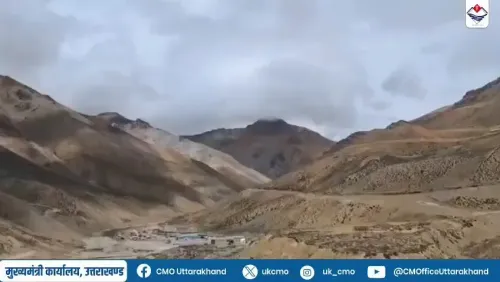
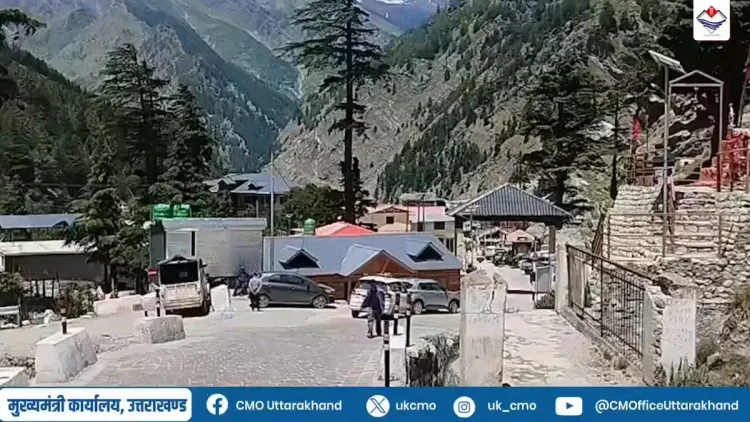
The Chief Minister's Office of Uttarakhand on Saturday, 27 June 2026 spotlighted the Upla Taknour area of Bhatwari development block in Uttarkashi district as an emerging destination on the state's tourism map, drawing attention to villages Bagori, Harsil, and Mukhwa as fast-growing centres for winter tourism.
The post, shared in Hindi, states: 'Upla Taknour kshetra aaj Uttarakhand ke ubharte paryatan manchitra par nayi pahchaan bana raha hai' — 'The Upla Taknour area is today carving a new identity on Uttarakhand's emerging tourism map.' It further notes that villages like Bagori, Harsil, and Mukhwa are now gaining recognition not merely for their natural beauty but as 'major centres of winter tourism.'
Context
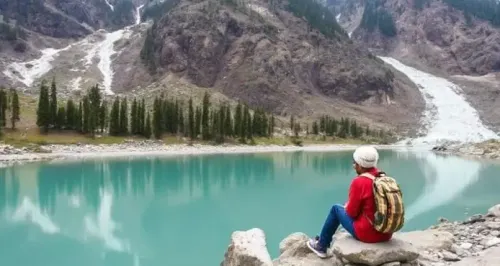
Uttarkashi is a high-altitude Himalayan district bordering Tibet, traditionally known for the Gangotri pilgrimage shrine and summer trekking circuits. The Bhatwari block, which encompasses the Upla Taknour cluster, sits at elevations that receive heavy snowfall through the winter months, a feature the state is now actively marketing as an attraction rather than a deterrent.
Harsil, the best-known of the three villages, has long drawn visitors for its apple orchards and dense conifer forests. Mukhwa, a traditional settlement whose residents seasonally migrate to lower altitudes, has more recently been highlighted for its snow cover and cultural heritage. Bagori completes the cluster being positioned as an integrated winter tourism zone.
Policy Backdrop
Uttarakhand's push to promote these villages fits within a deliberate state strategy to reduce dependence on the dominant Char Dham summer pilgrimage circuit and generate year-round revenue in hill districts. The Uttarakhand Tourism Development Board has run winter tourism campaigns since at least 2015, targeting snow-prone areas where the off-season had historically meant economic dormancy for local communities.
A revised Homestay Policy, introduced around 2018, offered subsidies to rural property owners in remote development blocks including Bhatwari to expand accommodation capacity. The policy aimed to formalise and scale up local hospitality without requiring large hotel investments, keeping economic benefits within villages. This approach mirrors strategies adopted in neighbouring hill states to monetise seasonal snowfall while building basic access infrastructure.
Stakeholders and Impact
The primary beneficiaries of rising winter footfall are local villagers in Bagori, Harsil, and Mukhwa who operate homestays, provide guiding services, and sell local produce such as apples, walnuts, and handicrafts. Increased year-round tourism income is seen by state planners as a key lever to curb out-migration, a persistent challenge in remote Himalayan blocks where young residents often relocate to plains cities in search of work.
Tour operators based in Dehradun and Rishikesh have gradually added Uttarkashi winter packages to their portfolios, and the growing profile of these villages is expected to draw a broader traveller base seeking alternatives to more crowded Himalayan snow destinations. Road connectivity and reliable winter access remain critical variables for sustained growth.
What's Next
The performance of the 2026-27 winter season in the Upla Taknour cluster will be closely watched as a gauge of whether the state's promotional emphasis translates into measurable visitor numbers and local income. Any new road upgrades, homestay expansion projects, or budget allocations under the state tourism plan for Uttarkashi would signal the depth of institutional commitment behind the CMO's messaging.
Uttarakhand's winter tourism ambitions in Bhatwari block represent a test case for whether Himalayan states can successfully diversify their tourism economies beyond established pilgrimage and summer trekking seasons — a model with implications for rural livelihoods across the mountain region.
Point of View
The state government is staking its promotional credibility on a cluster that still depends on improved road access and consistent hospitality standards to deliver on the promise. This fits a broader pattern across Indian hill states of using social media reach to build destination awareness ahead of infrastructure completion, hoping that demand creation itself accelerates investment. The real test will come in the 2026-27 winter season, when visitor numbers will either validate the narrative or expose the gap between promotion and ground reality.
NationPress
26 Sept 2026
Frequently Asked Questions
What is Upla Taknour and where is it located?
Upla Taknour is an area within the Bhatwari development block of Uttarkashi district in Uttarakhand, situated in the high-altitude Himalayas and encompassing villages such as Bagori, Harsil, and Mukhwa.
Why is Harsil famous in Uttarakhand?
Harsil is a high-altitude village in Uttarkashi known for its apple orchards, dense conifer forests, and heavy winter snowfall. It has long been promoted as an offbeat Himalayan destination and is now gaining recognition as a winter tourism centre.
What is Uttarakhand's Homestay Policy?
Uttarakhand's Homestay Policy , revised around 2018 , provides subsidies to rural property owners in remote development blocks to convert their homes into tourist accommodation, helping expand hospitality capacity without large hotel investments.
How is Uttarakhand promoting winter tourism?
The Uttarakhand Tourism Development Board has run winter tourism campaigns since at least 2015 , targeting snow-prone Himalayan areas to generate off-season visitor income and reduce dependence on the summer Char Dham pilgrimage circuit.
What is the significance of Mukhwa village for tourism?
Mukhwa is a traditional village near Harsil in Uttarkashi whose residents seasonally migrate; it is now being highlighted for winter tourism potential owing to its snow cover, cultural heritage, and proximity to other villages in the Upla Taknour cluster.