Haryana CM Urges Overhaul of Rural Sanitation and Drainage Systems
Synopsis
In a significant push for rural hygiene, Haryana's Chief Minister Nayab Singh Saini has ordered enhanced sanitation and drainage systems. This initiative aims to ensure clean village ponds and prevent waterlogging, promoting a healthier environment for residents.
Key Takeaways
Emphasis on improving sanitation and drainage in rural Haryana.
Regular cleaning of village ponds mandated by the Chief Minister.
Implementation of a structured SOP to ensure accountability.
Increased use of technology in pond management.
Focus on beautification and accessibility of public spaces.
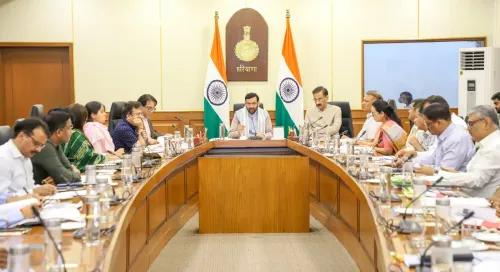
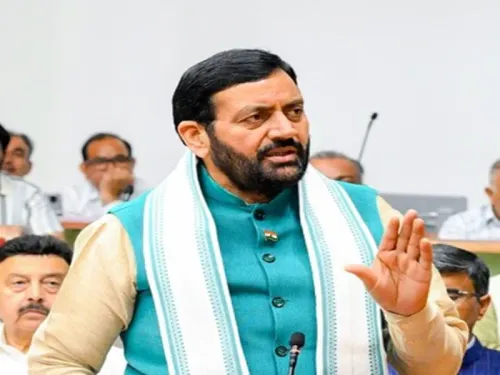
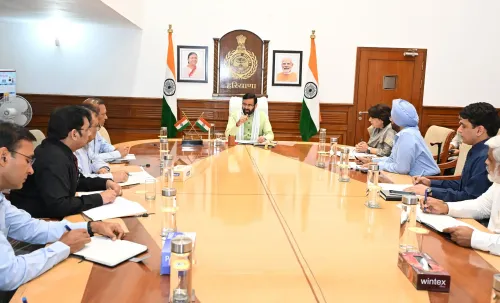
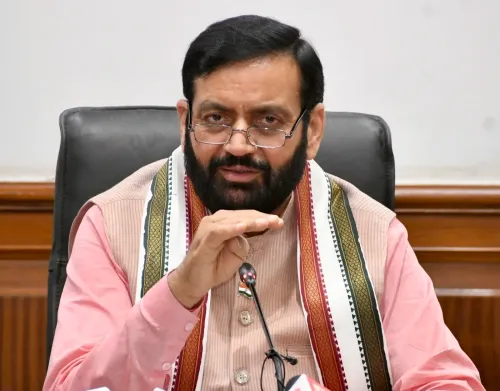
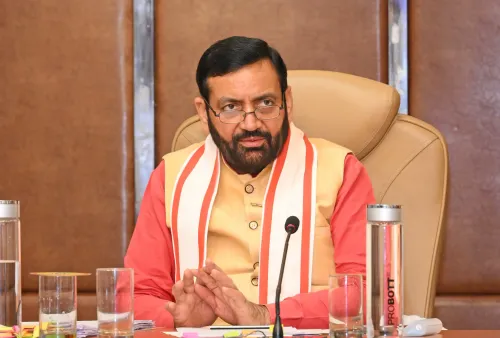
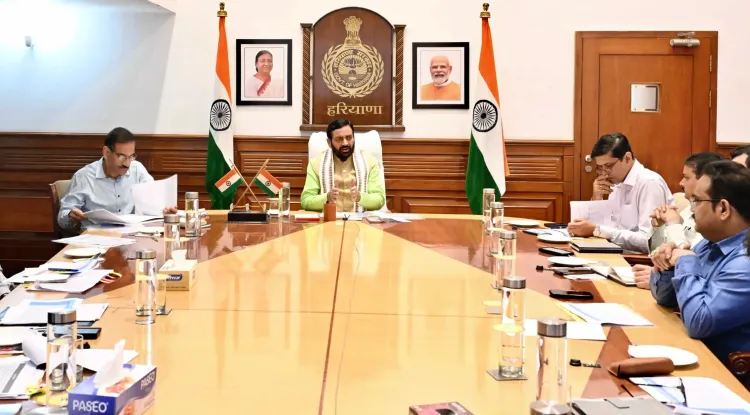
Chandigarh, April 3 (NationPress) The Chief Minister of Haryana, Nayab Singh Saini, emphasized the urgent need to enhance sanitation and drainage systems within rural communities during a meeting on Friday. He instructed the relevant officials to guarantee the regular and timely cleaning of village ponds and wastewater channels statewide.
While presiding over a review session of the Haryana Pond and Waste Water Management Authority, the Chief Minister highlighted the importance of cleanliness in villages to avoid inconveniencing residents. He stressed that village ponds must be kept free from unpleasant odors, and waterlogging in residential areas should be entirely prevented.
Moreover, the Chief Minister mandated that cleaning, desilting, and drainage operations be executed following a structured Standard Operating Procedure (SOP) to ensure transparency, quality, and accountability. He also advocated for better planning and the incorporation of modern technology and scientific design in the construction, reconstruction, and modernization of ponds. Beautification efforts around ponds were also recommended to create clean and accessible areas for villagers, which include spaces for morning and evening walks.
To improve efficiency, CM Saini proposed the implementation of solar pumps for ongoing cleaning and water flow maintenance. He cautioned that any negligence in sanitation at the village level would lead to strict action, holding accountable the officials, sarpanches, and staff involved.
Additionally, he instructed that Panchayat Secretaries be tasked with the regular monitoring of ponds in each village and that the number of sanitation workers be increased to fortify the sanitation system.
Emphasizing the broader goals of the government, the Chief Minister stated that the objective is to develop clean, well-maintained, and functional water bodies in rural areas, providing enduring relief from waterlogging, unsanitary conditions, and foul odors.
According to officials, a total of 6,538 ponds have been identified under the state’s action plan, with 2,758 projects receiving administrative approval. Of these, 1,718 projects have been completed, while 484 remain in progress.
Point of View
The administration aims to create sustainable water bodies that benefit the community as a whole.
NationPress
15 Oct 2026
Frequently Asked Questions
What measures is Haryana taking to improve sanitation?
Haryana is enhancing sanitation by ensuring regular cleaning of village ponds and wastewater channels, implementing structured SOPs, and increasing the number of sanitation workers.
Who is responsible for monitoring the ponds?
Panchayat Secretaries have been assigned the responsibility for regular monitoring of ponds in each village.