Haryana's CM Urges Identification of Water Harvesting Sites
Synopsis
In a crucial meeting, Haryana Chief Minister Nayab Singh Saini has directed officials to locate suitable sites for water harvesting systems to combat seasonal waterlogging. This initiative is part of broader pre-monsoon preparations aimed at improving sanitation and drainage across the state.
Key Takeaways
Water Harvesting Systems: Key to tackling waterlogging.
Pre-Monsoon Preparations: Focus on drainage and sanitation.
RFID Technology: Enhancing waste collection efficiency.
Monitoring: Use of GPS and cameras for accountability.
Penalties: Instituted for inadequate agency performance.
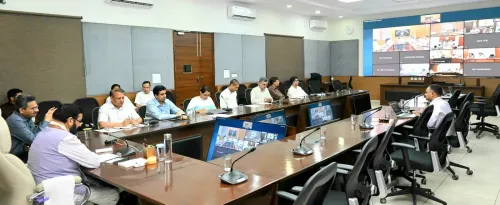
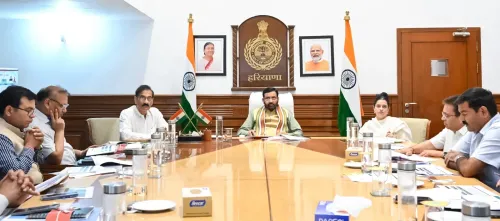
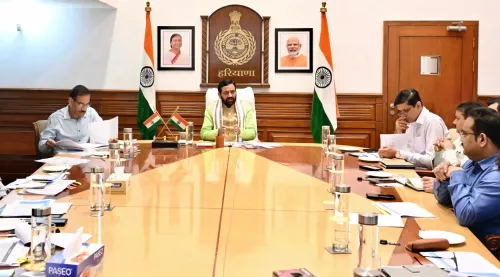
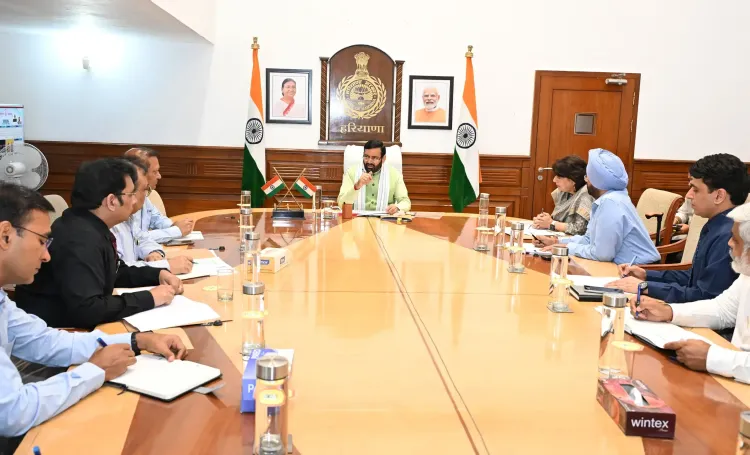
Chandigarh, March 30 (NationPress) The Chief Minister of Haryana, Nayab Singh Saini, convened an important meeting with officials from the Urban Local Bodies Department on Monday, where he instructed them to pinpoint ideal sites for the installation of water harvesting systems throughout the state.
He noted that waterlogging problems arise in numerous areas during the rainy season, urging that proactive measures be established to mitigate these issues.
During the discussion, the Chief Minister thoroughly assessed the pre-monsoon preparations, covering topics such as drain maintenance, water drainage infrastructure, and sanitation protocols, while issuing essential guidance to the officials.
He emphasized the necessity of identifying regions suffering from drainage challenges and exploring alternative solutions. Notably, he highlighted the installation of water harvesting systems in these locations as a means to conserve rainwater and effectively lessen waterlogging.
Additionally, the Chief Minister directed the officials to compile comprehensive and current data regarding water harvesting, which should encompass information about existing installations, their operational status, and the need for new setups.
He insisted that these systems be systematically adopted across all government sectors. Where installations are absent, they should be prioritized, particularly in areas prone to waterlogging.
The Chief Minister also addressed the enhancement of the state's sanitation framework. Officials informed him that state-of-the-art technology is being implemented, such as a radio frequency identification (RFID) system for door-to-door waste collection, which is fostering improved oversight and transparency.
Furthermore, he reviewed the GPS-enabled waste collection initiative and instructed officials to ensure effective monitoring of the system. Officials noted that RFID technology is streamlining the waste collection process, making it more organized and transparent.
Details about measures taken to enhance the monitoring of street cleaning machines were provided, including the plan to install four cameras on each machine: one facing forward, one on top, one below, and one at the rear.
It was also mentioned that if the sensor beneath the machine is found to be non-operational during cleaning operations, payment to the corresponding agency will be withheld.
Moreover, agencies will now need to provide video evidence of their work alongside their monthly invoices for verification, if necessary.
To ensure accountability and prevent carelessness, a penalty of Rs 1,250 per hour has been instituted.
Point of View
The government aims to implement effective solutions that can potentially transform water management in the region. This proactive stance reflects a national approach towards sustainable environmental practices.
NationPress
7 Oct 2026
Frequently Asked Questions
What is the purpose of installing water harvesting systems?
The water harvesting systems are intended to conserve rainwater and mitigate waterlogging issues that occur during the rainy season.
What technological advancements are being implemented in sanitation management?
The state is utilizing RFID technology for door-to-door waste collection to enhance monitoring and transparency in sanitation management.
What are the consequences for agencies failing to meet performance standards?
Agencies that do not meet operational standards will face penalties and will need to provide video evidence of their work for verification.
How will the effectiveness of waste collection be monitored?
The waste collection process will be monitored through GPS systems and additional cameras mounted on cleaning machines.
What steps are being taken to improve drainage systems?
The officials have been directed to identify problem areas and implement alternative solutions, including installing water harvesting systems.