Tharoor meets Malayali Jesuits leading Tokyo's Sophia University
Synopsis
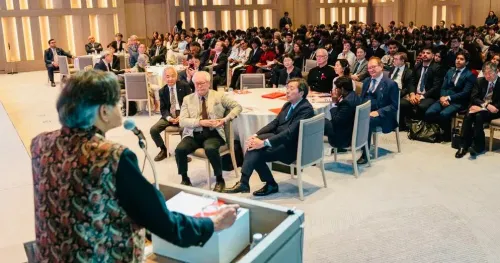
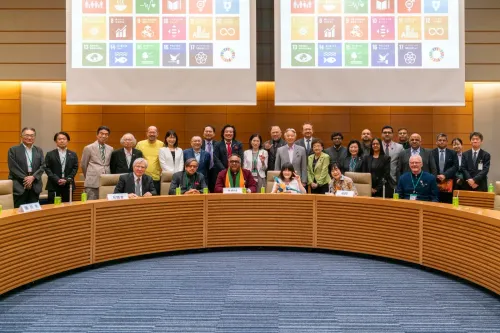
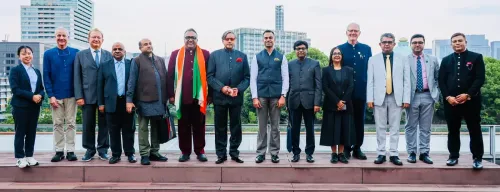
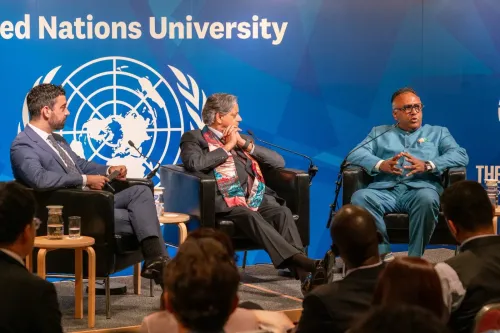
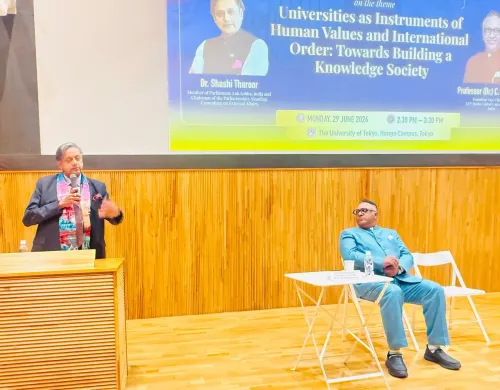
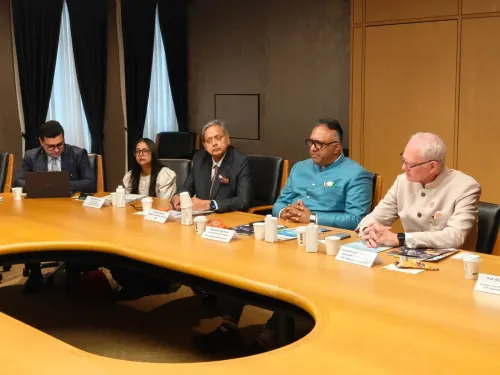
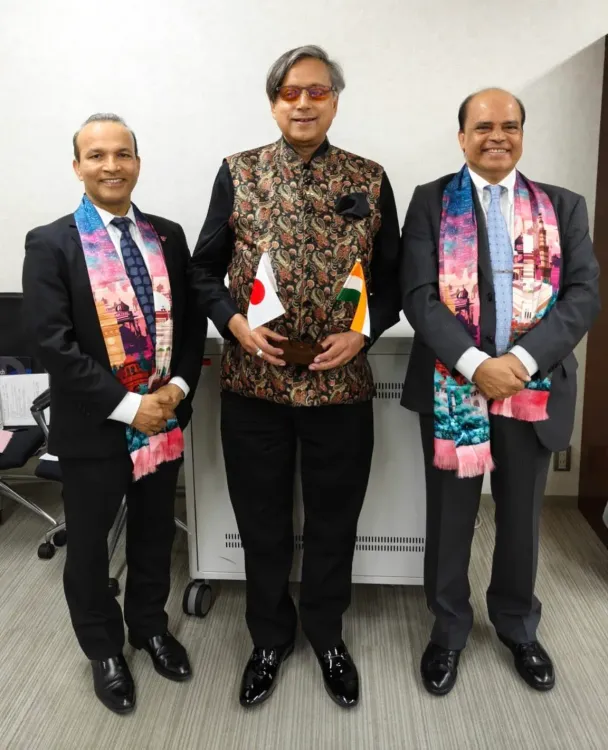
Congress MP Dr. Shashi Tharoor visited Sophia University in Tokyo on 2 July 2026, meeting Malayali Jesuit Chancellor Fr Sali Augustine and Dr John Joseph. He called the encounter evidence for stronger India-Japan educational ties, highlighting O.P. Jindal Global University as a model for such collaboration.
Key Takeaways
Shashi Tharoor visited Sophia University, Tokyo on 2 July 2026 as part of a Japan engagement.
He met Fr Sali Augustine , University Chancellor, and Dr John Joseph — both Malayali Jesuits in senior academic roles at the institution.
Tharoor publicly called for more India-Japan educational exchanges , citing the diaspora presence as justification.
Jindal Global University was specifically named as a model institution already advancing such partnerships.
India-Japan educational cooperation is anchored in the 2005 strategic partnership and the Act East Policy of 2014 .
The meeting spotlights Kerala's Jesuit academic diaspora as an informal but influential bridge in bilateral higher-education diplomacy.
Congress MP Dr. Shashi Tharoor visited Sophia University in Tokyo on 2 July 2026, where he met two Malayali Jesuit educators holding senior positions at the prestigious institution — a encounter he described as a compelling argument for deeper India-Japan educational ties.
Context
Tharoor was received at Sophia University by Fr Sali Augustine, the university's Chancellor, and Dr John Joseph, both Keralite Jesuits with distinguished academic careers in Japan. The meeting, held at what Tharoor called 'Tokyo's leading Jesuit institution,' underscored the quiet but significant presence of Indian-origin scholars at the highest levels of Japanese higher education.
Tharoor noted that with Indians in such prominent positions, 'there's a strong case for more India-Japan educational exchanges,' and specifically pointed to O.P. Jindal Global University (JGU) as an institution already 'showing the way' in forging such partnerships.
Policy Backdrop
India-Japan educational cooperation has formal roots in the 2005 strategic partnership declaration, which included provisions for expanded cultural and academic exchanges. The momentum accelerated after 2014, when India's Act East Policy elevated educational diplomacy as a deliberate pillar of engagement with East and Southeast Asian nations, including Japan.
Sophia University, founded in 1913 by Jesuit missionaries, has a long history of engagement with Asian scholars and maintains internationally recognised programs in humanities and social sciences. The presence of Malayali Jesuits in its leadership reflects the broader diaspora networks that have quietly deepened India-Japan institutional links over decades.
Stakeholders and Impact
The meeting highlights the role of the Indian academic diaspora — particularly from Kerala — as informal bridges in bilateral diplomacy. Jesuit educational networks, which span both countries, have historically facilitated faculty exchanges, joint research, and student mobility programmes that formal government channels often follow rather than lead.
O.P. Jindal Global University, established in 2009, has been among the more active Indian private universities in pursuing twinning arrangements and semester-abroad programmes with East Asian counterparts. Tharoor's public endorsement of JGU's efforts lends parliamentary visibility to what has largely been an institutional-level conversation.
For Indian students, expanded India-Japan academic corridors could open access to Japanese universities' strengths in technology, engineering, and liberal arts — sectors where demand for international exposure is rising sharply among Indian undergraduates and postgraduates.
What's Next
Tharoor's visit and remarks are likely to add to the chorus of voices calling for structured India-Japan student mobility agreements. Observers will watch whether the next India-Japan annual summit produces new memoranda of understanding on joint degrees or semester-exchange programmes, building on the policy framework already in place.
With an Indian parliamentarian of Tharoor's profile publicly championing the cause from Tokyo, the episode may also prompt Indian universities beyond JGU to accelerate outreach to Japanese institutions — particularly those within Jesuit and other faith-based academic networks that already have established Indian connections.
Point of View
He signals that private Indian universities are now credible vehicles for this agenda, not just government-to-government frameworks. The Malayali Jesuit angle is also significant: it illustrates how diaspora networks, particularly from Kerala's Catholic educational tradition, have created organic institutional bridges that formal policy is only now catching up to. If the next India-Japan summit produces concrete education MoUs, moments like this — where political visibility meets diaspora infrastructure — will have helped set the stage.
NationPress
2 Jul 2026
Frequently Asked Questions
Why did Shashi Tharoor visit Sophia University in Tokyo?
Dr. Shashi Tharoor visited Sophia University in Tokyo on 2 July 2026 and was received by two senior Malayali Jesuit educators — Chancellor Fr Sali Augustine and Dr John Joseph. He used the occasion to advocate for expanded India-Japan educational exchanges.
Who is Fr Sali Augustine of Sophia University?
Fr Sali Augustine is a Malayali Jesuit priest serving as Chancellor of Sophia University, Tokyo's leading Jesuit institution founded in 1913. He is noted for his work in education and interfaith dialogue.
What is India's policy on educational ties with Japan?
India-Japan educational cooperation is grounded in the 2005 bilateral strategic partnership declaration and was further elevated by India's Act East Policy announced in 2014, which made educational diplomacy a formal pillar of engagement with Japan and other East Asian nations.
What role does Jindal Global University play in India-Japan education?
O.P. Jindal Global University, established in 2009, has been among the more active Indian private universities in building partnerships with East Asian institutions. Tharoor specifically cited JGU as a model for India-Japan educational collaboration.
How significant is the Kerala diaspora in Japanese academia?
Malayali academics, many from Jesuit educational backgrounds, have risen to prominent positions in Japanese universities, acting as informal bridges for student exchanges and research collaborations between India and Japan.