Congo Ebola outbreak: 1,406 cases, 438 deaths as DRC battles eastern spread
Synopsis
The DRC's Ebola death toll has climbed to 438 with 1,406 confirmed cases — and the Bundibugyo strain at the centre of this outbreak has no approved vaccine. With conflict-ridden eastern provinces as the epicentre and a WHO global health emergency declared, this is shaping up as one of the most difficult Ebola responses in recent memory.
Key Takeaways
The DRC has confirmed 1,406 Ebola cases and 438 deaths as of 2 July 2026 .
609 patients are currently under treatment; 192 have recovered.
The outbreak is concentrated in Ituri , North Kivu , and South Kivu — eastern provinces marked by insecurity and humanitarian crisis.
The Bundibugyo species of Ebola involved has no approved vaccine or specific treatment.
The WHO has declared the outbreak a Public Health Emergency of International Concern (PHEIC) .
A parallel Ebola outbreak was also confirmed in Uganda in May 2026 .
The Democratic Republic of the Congo (DRC) has recorded 1,406 confirmed Ebola cases and 438 deaths as of 2 July 2026, according to the government, with the outbreak concentrated in the country's volatile eastern provinces. A further 609 patients are currently under treatment or active care, while 192 have recovered.
Where the Outbreak Is Spreading
The epidemic remains anchored in the eastern provinces of Ituri, North Kivu, and South Kivu — a region long beset by armed conflict and humanitarian crisis. Health authorities and international partners have repeatedly flagged that insecurity, high population movement, strained health facilities, and incomplete contact tracing are significantly complicating containment efforts.
Government Response Measures
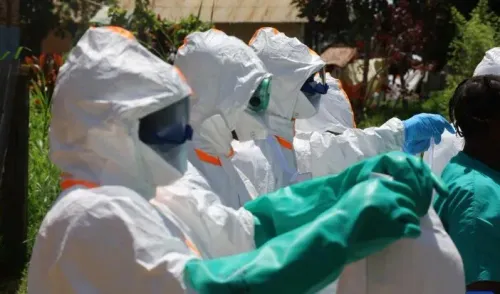
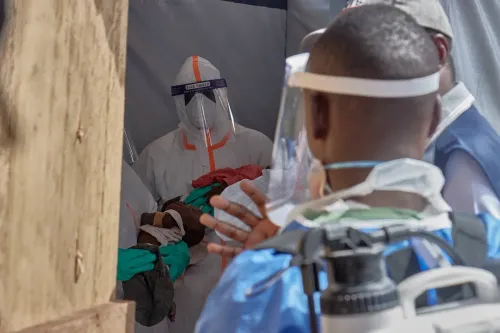
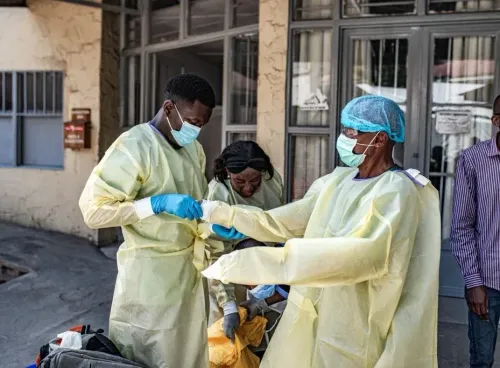
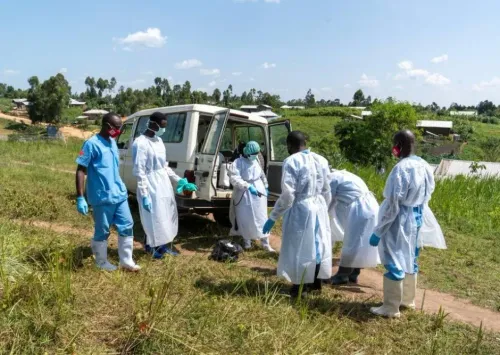
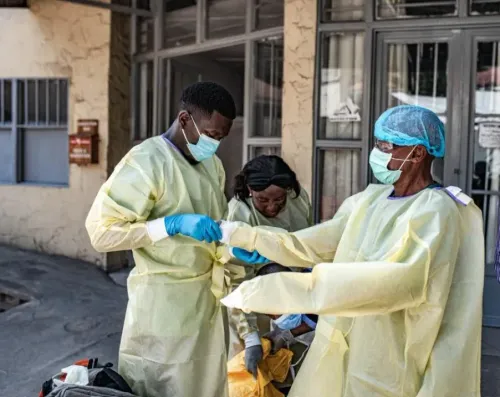
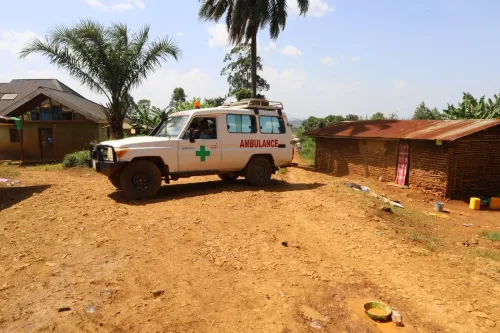
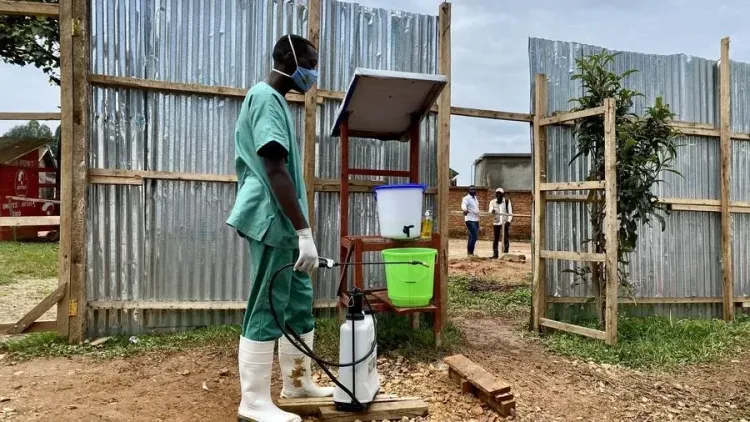
The DRC government says it is scaling up response capacity through the deployment of additional vehicles and ambulances, the supply of medicines and personal protective equipment (PPE), and intensified community mobilisation and public communication campaigns. The outbreak was officially declared in mid-May 2026, and a parallel outbreak was also confirmed in neighbouring Uganda around the same time.
Why This Outbreak Is Especially Difficult to Control
The strain involved has been identified as the Bundibugyo species of Ebola — one for which no approved vaccine or specific treatment currently exists, though clinical trials of candidate therapies are reportedly under way. This distinguishes the current crisis from the 2018–2020 North Kivu outbreak, during which an effective vaccine was available and widely deployed. The combination of a vaccine gap, active conflict zones, and dense cross-border trade movement makes this one of the more complex Ebola responses the DRC has faced.
Disease Profile and Transmission
Ebola is a rare, severe, and often fatal viral haemorrhagic fever transmitted to humans primarily through contact with infected wild animals — including fruit bats — and subsequently through direct contact with infected bodily fluids. Symptoms typically emerge between 2 and 21 days after exposure and include sudden fever, fatigue, muscle pain, severe headache, sore throat, vomiting, diarrhoea, abdominal pain, and, in severe cases, unexplained bleeding or bruising.
International Health Emergency Status
The World Health Organization (WHO) has declared this outbreak a Public Health Emergency of International Concern (PHEIC) — its highest alert level — signalling the need for a coordinated global response. With case counts still rising and structural barriers to containment persisting, health officials warn the situation remains fluid. The coming weeks will be critical in determining whether response measures can outpace transmission in the affected provinces.
Point of View
Where a vaccine gave responders a fighting chance. Without that tool, the DRC is relying entirely on surveillance, isolation, and community trust — all of which are severely strained by active conflict in Ituri and the Kivus. The WHO's PHEIC declaration is the right call, but declarations alone do not move ambulances into contested territory. The real test is whether international funding and logistical support can be mobilised fast enough to close the contact-tracing gaps that are allowing transmission chains to go undetected.
NationPress
2 Jul 2026
Frequently Asked Questions
How many Ebola cases and deaths have been reported in the DRC?
As of 2 July 2026, the Democratic Republic of the Congo has reported 1,406 confirmed Ebola cases and 438 deaths. A further 609 patients remain under treatment, while 192 have recovered.
Which Ebola strain is responsible for the 2026 DRC outbreak?
The outbreak involves the Bundibugyo species of Ebola, for which there is currently no approved vaccine or specific treatment. Clinical trials of candidate therapies are reportedly ongoing.
Why is the DRC Ebola outbreak so difficult to contain?
The outbreak is centred in eastern provinces — Ituri, North Kivu, and South Kivu — where active armed conflict, population displacement, overstretched health facilities, and incomplete contact tracing all hamper the response. The absence of an approved vaccine for the Bundibugyo strain adds a further layer of difficulty.
Has the WHO declared an emergency over the DRC Ebola outbreak?
Yes. The World Health Organization has declared the outbreak a Public Health Emergency of International Concern (PHEIC), its highest alert level, calling for a coordinated international response.
When was the DRC Ebola outbreak declared, and is Uganda also affected?
The DRC declared the outbreak in mid-May 2026. A separate but related Ebola outbreak was also confirmed in Uganda around the same time, raising concerns about cross-border transmission given high population and trade movement in the region.