Tharoor Moved by Soldiers' Last Letters at War Museum
Synopsis
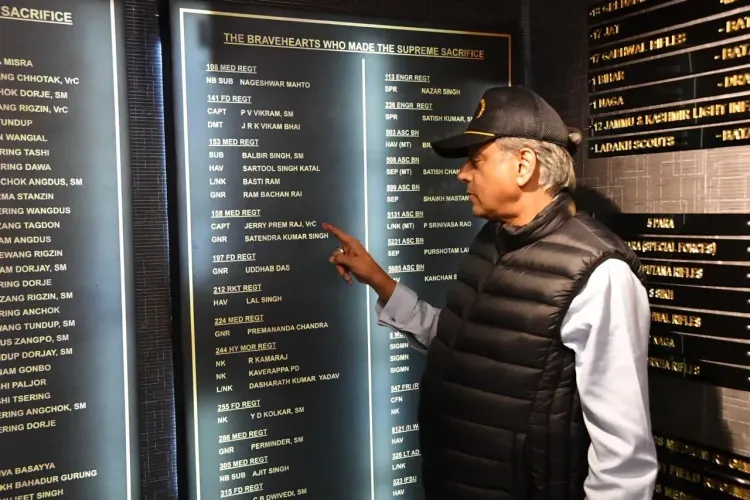
Congress MP Dr. Shashi Tharoor visited a war museum on 27 June 2026, paying tribute to Indian soldiers and describing the sight of their last letters home framed for posterity as heartbreaking. The visit underscores continued parliamentary attention to military remembrance and the human cost of India's post-independence conflicts.
Key Takeaways
Shashi Tharoor visited a war museum on 27 June 2026 and paid tribute to Indian soldiers.
He described the experience as 'moving' and called seeing soldiers' last letters home framed for posterity 'heartbreaking'.
The visit is consistent with the holdings of the National War Memorial in New Delhi , inaugurated in 2019 .
The memorial honours soldiers killed in post- 1947 conflicts, including the 1965 , 1971 wars and the Kargil conflict .
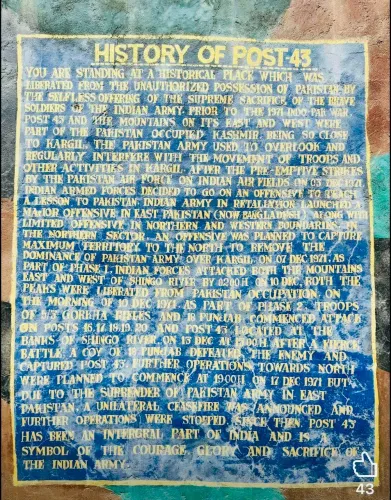
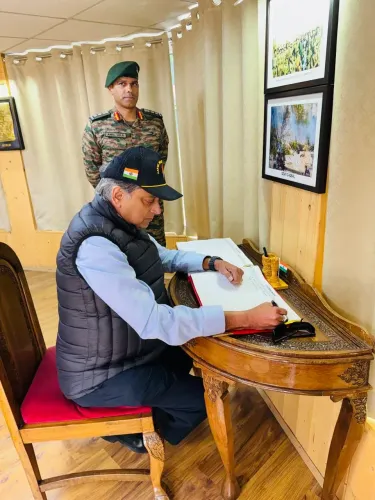
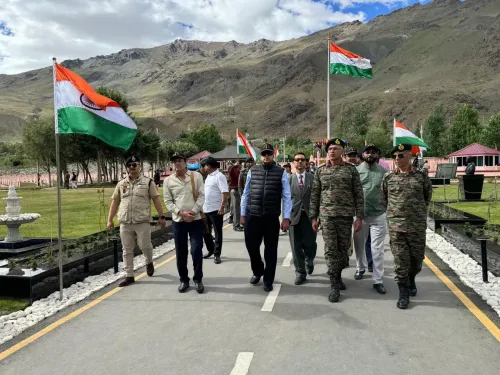
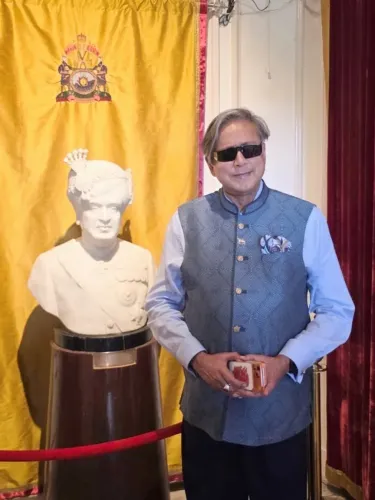
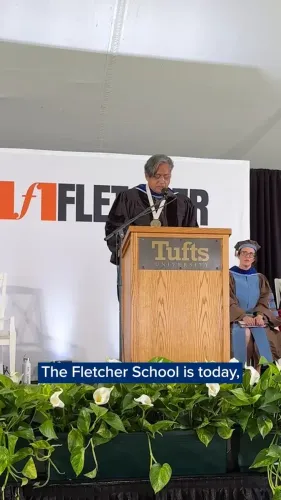
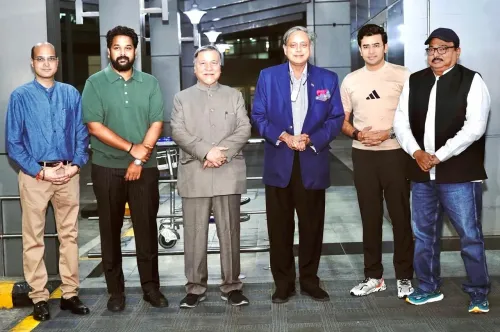
Tharoor shared four images from the visit on X, drawing public attention to the memorial's personal artefacts.
Congress MP Dr. Shashi Tharoor paid tribute to Indian soldiers at a war museum on Saturday, 27 June 2026, describing the experience as both moving and heartbreaking, particularly upon seeing the fallen soldiers' last letters home preserved behind glass.
Context
Sharing four images from his visit, Dr. Tharoor wrote that 'paying tribute to the soldiers was moving' and that 'seeing the museum in their honour, with their last letters home framed for posterity, was heartbreaking.' The post, though brief, drew immediate attention for its emotional register — a senior parliamentarian confronting the intimate human cost of military service.
The visit appears to be to a war museum honouring Indian soldiers, consistent with the character and holdings of the National War Memorial complex in New Delhi, which was inaugurated in 2019 and is dedicated to soldiers killed in post-independence conflicts. The memorial includes galleries preserving names, artefacts, and records of service.
Policy Backdrop
The National War Memorial, established to honour soldiers who fell in wars after 1947 — including the 1947–48, 1965, 1971 wars and the Kargil conflict — has become a focal point for national remembrance. Its galleries hold not only the names of the fallen but also personal memorabilia, making it one of the most emotionally resonant public spaces in the capital.
Indian political figures across party lines regularly visit such memorials, but the specific detail Dr. Tharoor highlighted — last letters home preserved in frames — points to the museum's effort to humanise military sacrifice beyond statistics and rank. These letters, written before soldiers fell in battle, represent some of the most poignant primary records of any conflict.
Stakeholders and Impact
For armed forces families and military veterans, acknowledgement by senior public figures carries symbolic weight. When a parliamentarian of Dr. Tharoor's standing — a former Union Minister and former UN Under-Secretary-General — publicly reflects on such visits, it reinforces legislative attention to veterans' welfare and the preservation of military history.
The framing of soldiers' last letters as objects 'for posterity' also touches on a broader national conversation about how India documents and memorialises its conflicts. Archival preservation of personal correspondence from the battlefield remains an ongoing effort, with families and historians alike advocating for greater institutional support.
What's Next
Parliamentary discussions on armed forces welfare, veterans' pensions, and commemorative infrastructure are expected to continue in upcoming sessions. Visits like Dr. Tharoor's, and the public attention they draw, can feed into advocacy for expanded memorial facilities and better documentation of soldiers' personal histories. The emotional weight of artefacts such as last letters may also inform future curatorial decisions at national memorial institutions.
Point of View
Personal dimension of military sacrifice rather than its ceremonial or strategic framing. This sits within a broader pattern of Indian political leaders using memorial visits to signal solidarity with armed forces families, but the specific focus on last letters lifts the post above routine tribute. For a figure known for his literary sensibility, the language of 'heartbreaking' and 'posterity' is deliberate and resonant. The post may quietly reinforce legislative pressure for better archival and welfare infrastructure for soldiers' families.
NationPress
27 Jun 2026
Frequently Asked Questions
Where did Shashi Tharoor pay tribute to soldiers in June 2026?
Dr. Shashi Tharoor visited a war museum honouring Indian soldiers on 27 June 2026, consistent with the National War Memorial complex in New Delhi, which preserves artefacts including soldiers' last letters home.
What is the National War Memorial in New Delhi?
The National War Memorial is a memorial complex in New Delhi inaugurated in 2019, dedicated to Indian soldiers who died in post-independence conflicts including the 1947–48, 1965, 1971 wars and the Kargil conflict.
What did Shashi Tharoor say about the soldiers' museum?
Dr. Tharoor said that 'paying tribute to the soldiers was moving' and that seeing 'their last letters home framed for posterity was heartbreaking.'
Why are soldiers' last letters significant at war memorials?
Soldiers' last letters written before they fell in battle are among the most personal records of any conflict, humanising military sacrifice beyond names and ranks, and are preserved at memorial museums for public remembrance.
Does Shashi Tharoor visit war memorials often?
Indian political figures across parties regularly visit war memorials and museums; Dr. Tharoor's 27 June 2026 visit is part of this broader pattern of parliamentary acknowledgement of military sacrifices.