Tharoor pushes monthly highway review for Thiruvananthapuram
Synopsis
Congress MP Dr. Shashi Tharoor attended a high-level review of pending national highway projects in Thiruvananthapuram on November 6, 2026, chaired by Minister C.P. John, and secured agreement for a monthly inter-agency coordination meeting to clear multi-department bottlenecks.
Key Takeaways
Shashi Tharoor attended a review meeting on pending national highway projects in Thiruvananthapuram on November 6, 2026 .
The meeting was chaired by Kerala Minister C.P.
John , the state capital's focal-point minister, with the district collector and NHAI regional officer also present.
Tharoor proposed and Minister John agreed to hold monthly inter-agency review meetings covering all Thiruvananthapuram projects spanning multiple departments.
The key structural problem identified: national highway projects require simultaneous action by NHAI (central) and state/district agencies, and the absence of regular joint forums causes delays.
The projects fall under India's Bharatmala Pariyojana national highway expansion programme, launched in 2015 .
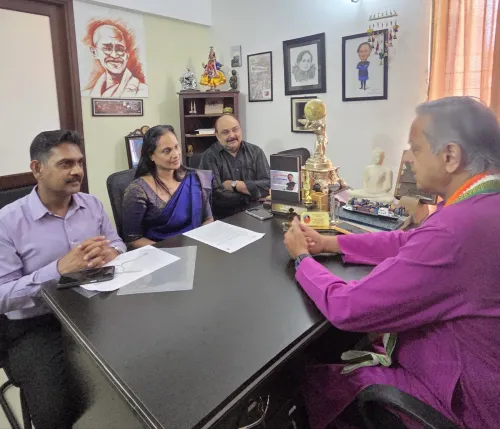
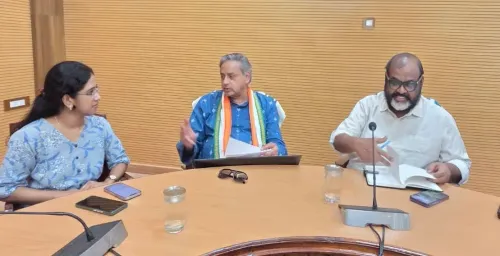
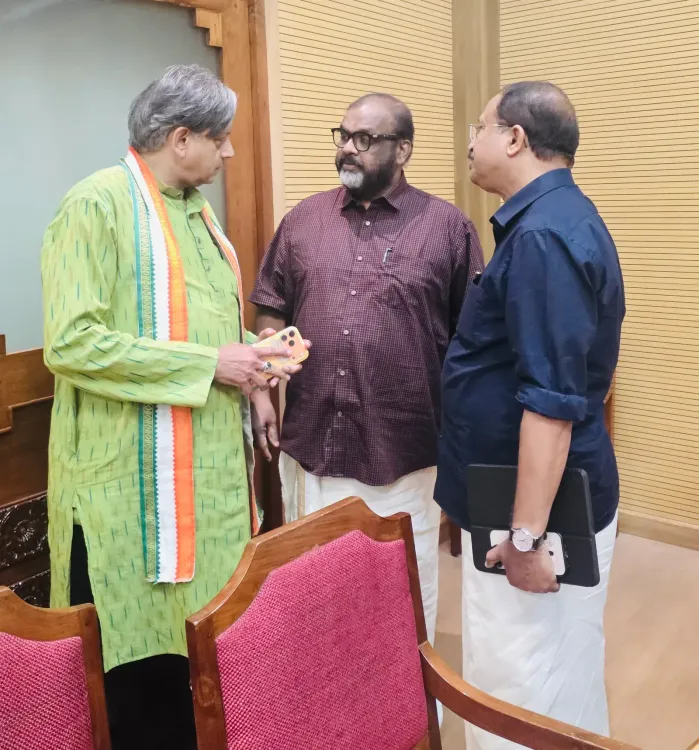
Months of stalled progress on national highway projects in Thiruvananthapuram may finally have a fix — a structured, monthly coordination mechanism agreed upon on Friday, November 6, 2026, at a high-level review meeting that brought together ministers, local administration, and central highway authorities under one roof. Congress MP Dr. Shashi Tharoor, who represents the constituency in Parliament, attended the meeting and emerged with a concrete institutional commitment in hand.
The meeting was chaired by C.P. John, the Kerala minister designated as focal point for state capital projects, and was attended by the local MLA, the Thiruvananthapuram District Collector, the Regional Officer of the National Highways Authority of India (NHAI), and senior officials. Tharoor described it as 'an excellent review meeting' on pending national highway construction projects in the city.
The coordination gap holding Thiruvananthapuram's highways back
National highway projects in India have a well-documented structural weakness: they sit at the intersection of central and state authority. NHAI drives construction and funding at the national level, while land acquisition, utility shifting, and local clearances fall to state and district agencies. When these tracks don't converge, projects stall — sometimes for years.
Thiruvananthapuram, as a state capital, is particularly exposed to this bottleneck. Multiple agencies operate in overlapping jurisdictions, and the absence of a regular joint forum means issues accumulate rather than get resolved. Tharoor put it plainly in his post: 'The importance of coordination across departments cannot be overstated.'
A monthly forum takes shape
The most significant outcome of Friday's meeting was not a single project clearance — it was an agreement to institutionalise the process itself. Tharoor proposed that such review meetings be held every month, covering all Thiruvananthapuram projects that cut across multiple departments and agencies. Minister C.P. John agreed on the spot.
That agreement matters because it converts a one-off review into a standing accountability mechanism. Project officers and contractors can no longer quietly let inter-agency disputes fester between rare high-level interventions — there is now a fixed cadence forcing all parties back to the same table, every thirty days.
Where Bharatmala's promises meet ground reality
The projects under review sit within India's broader highway expansion agenda. Bharatmala Pariyojana, launched in 2015, set out to upgrade and extend national highways with a focus on last-mile connectivity — Thiruvananthapuram included. But the ambition of a national programme often collides with the granular complexity of a specific city's land, politics, and administration.
Friday's meeting is a small but telling example of how those gaps get bridged — not by policy alone, but by elected representatives and ministers sitting across a table with NHAI officials, collector in tow, and working through the checklist.
The test, of course, is whether the calendar invite for next month actually gets sent — and acted on.
Point of View
A third-term MP from a capital city with complex multi-agency project pipelines, locking in a monthly mechanism is a tangible deliverable that travels well beyond press releases. The broader pattern to watch: whether this model — a minister-chaired, collector-attended, NHAI-present monthly review — spreads to other Kerala constituencies grappling with the same Bharatmala bottlenecks.
NationPress
7 Nov 2026
Frequently Asked Questions
What was decided at the Thiruvananthapuram highway review meeting on November 6, 2026?
The key decision was to hold monthly inter-agency coordination meetings for all Thiruvananthapuram projects involving multiple departments and agencies. The meeting reviewed pending national highway construction projects and was chaired by Kerala Minister C.P. John.
Who attended the Thiruvananthapuram national highway review meeting?
The meeting was attended by Congress MP Dr. Shashi Tharoor, Minister C.P. John (who chaired it), the local MLA, the Thiruvananthapuram District Collector, and the Regional Officer of NHAI, along with other officials.
Why are national highway projects in Thiruvananthapuram delayed?
National highway projects typically require coordination between NHAI at the central level and state and district agencies for land acquisition, clearances, and utility shifting. Without regular joint reviews, these inter-agency issues cause delays.
What is Bharatmala Pariyojana and how does it relate to Kerala highways?
Bharatmala Pariyojana is India's national highway expansion programme launched in 2015, focused on upgrading roads and improving last-mile connectivity. Projects in Thiruvananthapuram fall under this programme's broader infrastructure push.
What is Shashi Tharoor's role in Thiruvananthapuram infrastructure projects?
Dr. Shashi Tharoor is the Congress Member of Parliament from Thiruvananthapuram. As the constituency's MP, he participates in project review meetings and advocates for faster clearance of local infrastructure works, including national highway projects.