Tharoor slams Bikaner House removal of protest photos
Synopsis
Congress MP Dr. Shashi Tharoor issued a sharply worded three-point rebuke after photographer Raihan Vadra's protest-images exhibition was withdrawn from Bikaner House in New Delhi, calling it censorship that harms India's global democratic reputation and predicting the backlash will give Vadra far greater visibility than the show would have.
Key Takeaways
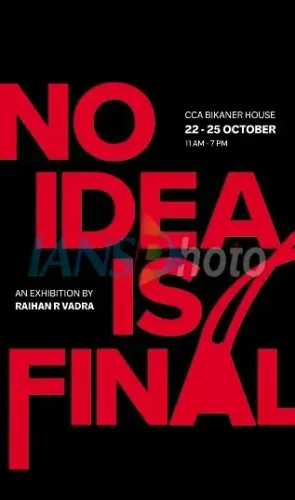
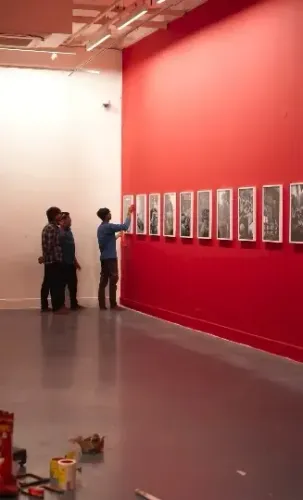
Photographer Raihan Vadra's exhibition of protest images was pulled from Bikaner House , a heritage cultural venue in New Delhi run by the Rajasthan government.
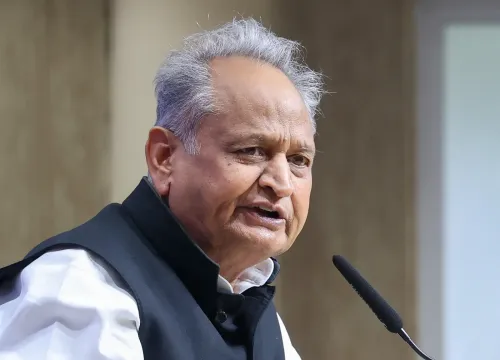
Shashi Tharoor condemned the move in a post on October 23, 2026 , calling it a 'disgrace at so many levels.' Tharoor argued documentary protest photography is a record of events, not a political stance, and would likely survive a constitutional free-expression challenge in court.
He warned the episode damages India's global reputation as a 'freedom-loving democracy.' Tharoor invoked the Streisand effect, noting the controversy has given Raihan Vadra's work far wider reach than the exhibition alone would have.
Indian cultural venues have a pattern of withdrawing politically sensitive exhibitions, repeatedly reigniting debate over freedom of expression under the Constitution.
A photography exhibition depicting protest demonstrations has been pulled from Bikaner House, the heritage cultural venue in New Delhi operated by the Rajasthan government — and Congress MP Dr. Shashi Tharoor is calling it a disgrace that has dealt another blow to India's standing as a free society.
Tharoor posted his sharp three-point rebuke on Friday, October 23, 2026, targeting officials who withdrew the exhibition of photographer Raihan Vadra, whose images of protest events had been set for display at the venue. 'This censorship has driven one more nail into the coffin of India's global reputation as a freedom-loving democracy,' Tharoor wrote, in a statement that frames the episode not as a local administrative decision but as an international-image crisis.
The three-point indictment Tharoor laid out
Tharoor's critique is precise. First, he argues the images in question depict events already 'burned into the public consciousness' — widely circulated scenes that the public has already encountered. Withdrawing them from a gallery, he implies, achieves nothing by way of suppression while everything by way of embarrassment.
Second, he draws a key legal and philosophical distinction: Bikaner House is entitled to a policy against partisan political stands, but documentary photography of a protest is a record of an event — not a political endorsement. 'They would almost certainly have passed muster had the matter been brought to a court as an issue of freedom of expression,' Tharoor wrote, signalling that legal challenge remains a live option.
Third — and most damaging in his framing — is the reputational cost. India's cultural venues have repeatedly drawn scrutiny when exhibitions touching on protests or politically sensitive subjects are altered or withdrawn. Each such episode renews a familiar argument: that institutional self-censorship, even without formal government orders, erodes the credibility of India's constitutional free-expression guarantees in the eyes of the world.
Raihan Vadra and the Streisand effect Tharoor is counting on
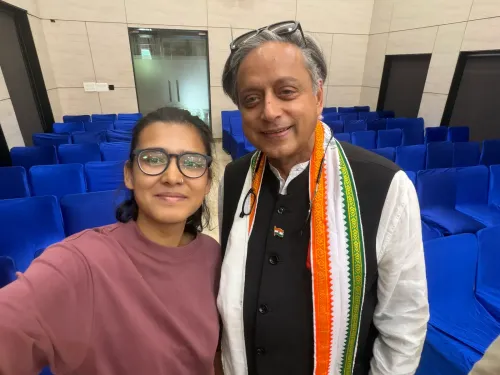
Tharoor ends with a pointed twist — a near-textbook invocation of what is popularly called the Streisand effect: the phenomenon in which attempts to suppress information generate far more attention than the original would have received. 'The publicity this episode has received will have reached a far larger audience, in Delhi and worldwide, than the exhibition itself might have, had it been allowed to proceed undisturbed,' he wrote, thanking 'heavy-handed officials for giving a well-deserved boost to the photographic talents and career of @RaihanrVadra.'
For Raihan Vadra, a photographer whose work now sits at the centre of a national free-expression debate, the unintended consequence is significant visibility — the kind no gallery opening alone can manufacture. Tharoor, a former UN Under-Secretary-General with a long record of writing and speaking on democratic norms, is amplifying the episode to an audience well beyond Delhi's art circles.
Whether Bikaner House management issues a public clarification of its content policy, or whether artists or civil-society groups move court invoking Article 19, this story is almost certainly not over — and one politician has made sure the world is watching.
Point of View
He elevates it onto the international-norms agenda where he has the most credibility. The Streisand-effect argument is also strategically astute — it neutralises the censorship by turning institutional overcaution into a public-relations gift for the artist. The broader question this incident presses is whether India's existing constitutional protections for expression are being hollowed out not by legislation but by institutional timidity, and whether courts will be asked to draw a clearer line.
NationPress
23 Oct 2026
Frequently Asked Questions
What happened at Bikaner House that upset Shashi Tharoor?
Bikaner House, a cultural heritage venue in New Delhi operated by the Rajasthan government, withdrew an exhibition by photographer Raihan Vadra that featured images of protest demonstrations. Tharoor called the withdrawal censorship and a blow to India's democratic image.
Who is Raihan Vadra?
Raihan Vadra is a photographer whose exhibition of protest images was removed from display at Bikaner House in New Delhi, sparking a free-expression debate after Congress MP Dr. Shashi Tharoor publicly condemned the withdrawal.
What is Bikaner House in Delhi?
Bikaner House is a heritage property in New Delhi operated as a venue for art exhibitions and cultural events by the Rajasthan government. It is a prominent space for visual arts in the capital.
Does photographing a protest count as political content under Indian law?
Tharoor argues it does not — documentary photography of an event is a record, not a political endorsement. He contends such images would 'almost certainly' pass constitutional scrutiny as protected freedom of expression if challenged in court under Article 19.
What is the Streisand effect and why did Tharoor mention it?
The Streisand effect is the phenomenon where attempts to suppress information generate far more public attention than the original would have received. Tharoor used it to argue that officials inadvertently gave photographer Raihan Vadra global visibility by pulling the exhibition.