Tharoor Speaks on Tourism as Peacebuilding at Srinagar Dialogue
Synopsis
Congress MP Dr. Shashi Tharoor addressed the Srinagar Nalanda Dialogue on June 20, 2026, arguing that tourism can serve as a bridge for peace and better governance in Kashmir, drawing on the region's natural beauty and cultural heritage.
Key Takeaways
Shashi Tharoor spoke at the Srinagar Nalanda Dialogue on June 20, 2026 , on the theme 'Tourism as a Bridge: Reimagining Peace and Governance in Kashmir.' He highlighted Kashmir's extraordinary natural beauty and rich cultural inheritance as foundations for tourism-led development.
Central government policy since the 2019 abrogation of Article 370 has prioritised tourism infrastructure in Jammu and Kashmir for economic revival.
Key stakeholders include local tourism operators, artisans, and Kashmiri communities whose livelihoods depend on visitor footfall.
Schemes such as Swadesh Darshan and state tourism master plans are active policy instruments in the region's development push.
Tharoor's participation reflects growing Opposition engagement in Track-II dialogues linking cultural diplomacy to Kashmir's peace-building narrative.
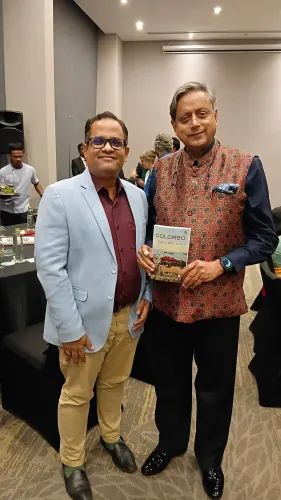
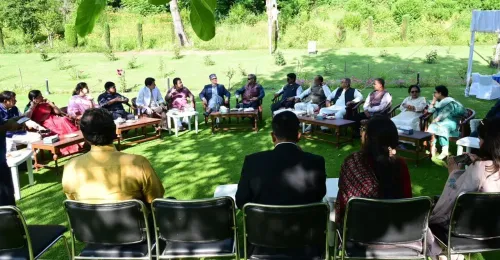
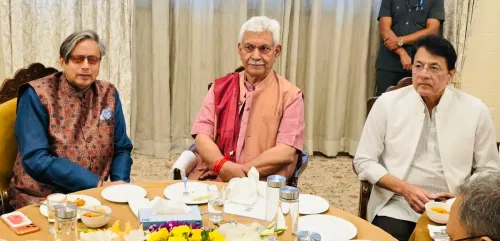
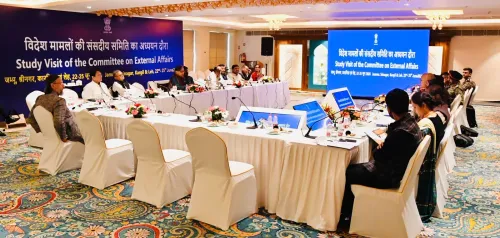
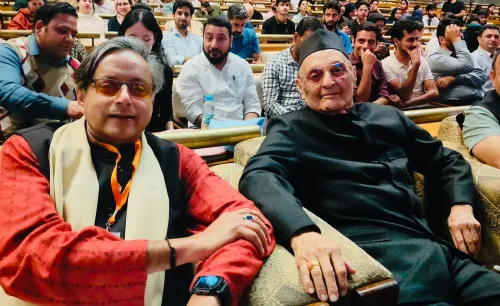
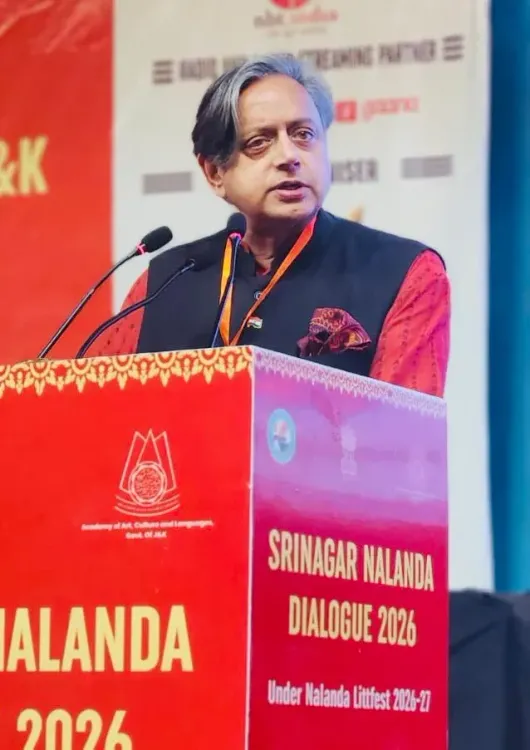
Congress MP Dr. Shashi Tharoor addressed the Srinagar Nalanda Dialogue on Saturday, June 20, 2026, delivering a speech on the theme 'Tourism as a Bridge: Reimagining Peace and Governance in Kashmir', highlighting the region's potential as a destination for cultural and economic renewal.
Context
Tharoor, the Congress MP from Thiruvananthapuram and former UN Under-Secretary-General, shared his participation in the dialogue on Sunday, noting he was 'delighted to speak' on the immense potential of tourism in a region 'blessed with extraordinary natural beauty' and 'a rich cultural inheritance.' The Nalanda Dialogue format brings together policymakers, academics, and civil society voices for structured conversations on governance and development.
Srinagar, the summer capital of Jammu and Kashmir, has long been synonymous with Kashmir's identity as a tourism destination — from its famed Dal Lake and Mughal gardens to its centuries-old handicraft traditions. Tharoor's framing of tourism as a 'bridge' for peace positions the sector not merely as an economic tool but as an instrument of social cohesion.
Policy Backdrop
Following the abrogation of Article 370 in August 2019 and the reorganisation of Jammu and Kashmir into a Union Territory, successive central government policies have prioritised tourism infrastructure as a pillar of economic revival and the reinforcement of normalcy. Schemes such as Swadesh Darshan and state tourism master plans have channelled investment into connectivity, hospitality, and heritage site development across the region.
Opposition voices, including those of senior Congress figures, have increasingly engaged in Track-II style dialogues that link cultural diplomacy and economic themes to peace-building — offering perspectives distinct from official government narratives while remaining within a broadly developmental framework.
Stakeholders and Impact
The communities most directly affected by tourism policy in Kashmir include local houseboat owners, shikara operators, artisans, hoteliers, and guides — sectors that saw significant disruption during periods of unrest and the COVID-19 pandemic. A sustained tourism uptick translates directly into livelihoods for tens of thousands of Kashmiri families.
For policymakers, the dialogue between governance, security, and tourism promotion remains a delicate balance. Tharoor's participation signals that cross-party engagement on Kashmir's development narrative is active, even as political differences over the region's constitutional status persist between the Congress and the ruling Bharatiya Janata Party.
What's Next
Observers will watch for follow-up regional dialogues building on the Srinagar Nalanda platform, as well as upcoming Union and Jammu and Kashmir budget allocations for tourism infrastructure. Any new project announcements — particularly around connectivity, heritage conservation, or homestay promotion — will signal how seriously the developmental framing of Kashmir tourism is being translated into policy action. Tharoor's continued engagement in such forums suggests the Opposition intends to remain a visible voice in shaping the discourse around Kashmir's economic future.
Point of View
He implicitly acknowledges security gains on the ground while nudging the conversation toward softer power — culture, heritage, and economic inclusion. This mirrors a broader pattern in which Opposition MPs seek relevance on Kashmir through development discourse rather than purely constitutional arguments. Whether such Track-II engagement translates into concrete policy influence remains the key question for the Opposition's Kashmir strategy.
NationPress
20 Sept 2026
Frequently Asked Questions
What did Shashi Tharoor say at the Srinagar Nalanda Dialogue?
Dr. Shashi Tharoor spoke on the theme 'Tourism as a Bridge: Reimagining Peace and Governance in Kashmir,' highlighting the region's natural beauty and cultural heritage as assets for tourism-led development and peace-building.
What is the Nalanda Dialogue?
The Nalanda Dialogue is a structured forum that brings together policymakers, academics, and civil society representatives to discuss governance and development themes; the Srinagar edition focused on Kashmir's future.
Why is tourism important for Kashmir's development?
Tourism is a major livelihood source for Kashmiri houseboat owners, artisans, guides, and hoteliers. Since 2019, central policy has prioritised tourism infrastructure to drive economic revival and reinforce normalcy in Jammu and Kashmir.
What is the Swadesh Darshan scheme?
Swadesh Darshan is a central government scheme that funds the development of thematic tourism circuits across India, including in Jammu and Kashmir, covering infrastructure, connectivity, and heritage site improvement.
What is Shashi Tharoor's political background?
Dr. Shashi Tharoor is the Congress MP from Thiruvananthapuram, a former Union Minister of State, and a former UN Under-Secretary-General, known for his engagement on foreign policy, culture, and governance issues.