Tharoor Visits Amar Mahal Palace Museum in Jammu
Synopsis
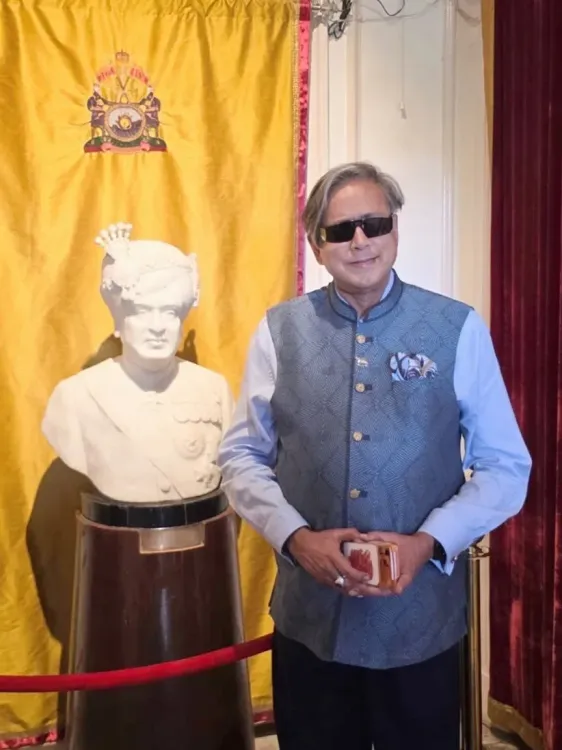
Congress MP Dr. Shashi Tharoor shared highlights of a parliamentary committee visit to the Amar Mahal Palace and Museum in Jammu on 27 June 2026, praising the collection bequeathed to the nation by Maharajah Karan Singh and his family as an inspiring experience.
Key Takeaways
Shashi Tharoor visited Amar Mahal Palace and Museum in Jammu as part of a parliamentary committee on 27 June 2026 .
The palace was bequeathed to the nation by Maharajah Karan Singh and his family through the Hari-Tara Charitable Trust , established in the 1970s .
The museum houses Pahari paintings , royal artefacts, historical photographs, and a personal library of the erstwhile ruler.
Tharoor described the visit as 'an inspiring experience', highlighting the artefacts and the 'erudite erstwhile ruler's library'.
Parliamentary committee visits to heritage sites can inform policy recommendations on conservation funding and museum governance.
Congress MP Dr. Shashi Tharoor on Saturday, 27 June 2026, shared his experience of a parliamentary committee visit to the Amar Mahal Palace and Museum in Jammu, describing the outing as 'an inspiring experience' and highlighting the institution's remarkable collections and royal library.
Context
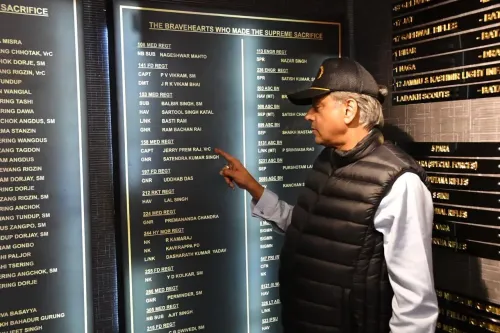
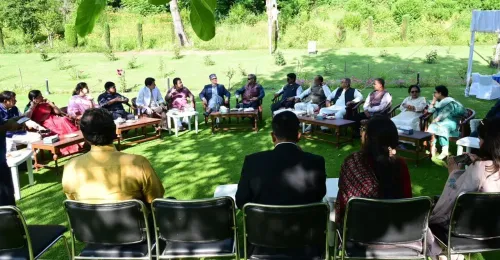
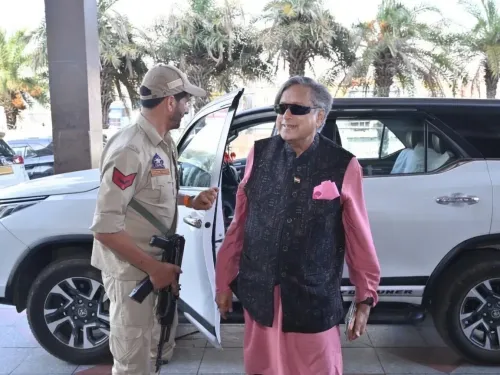
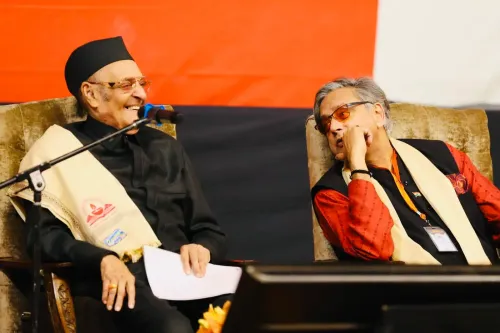
In his post on X, Dr. Tharoor noted that the committee 'was treated to a very special visit to the Amar Mahal Palace and Museum, bequeathed to the nation by Maharajah Karan Singh and his family.' He called walking through the artefacts, historical photographs, and the 'erudite erstwhile ruler's library' an inspiring experience. The post was accompanied by three images from the visit.
The Amar Mahal Palace is a 19th-century structure in Jammu that was converted into a public museum. It houses an acclaimed collection of Pahari paintings, royal artefacts, and a personal library assembled by Dr. Karan Singh — former Maharaja of Jammu and Kashmir, diplomat, and public figure — and his family.
Policy Backdrop
The museum's public life traces back to the Hari-Tara Charitable Trust, established by the Karan Singh family in the 1970s, which opened the palace to visitors as a heritage institution. This transfer is part of a broader post-independence pattern in which princely families donated collections and properties to public trusts, creating a network of regional museums that preserve art and manuscripts outside major metropolitan centres.
Parliamentary committees periodically visit privately endowed heritage sites to review preservation standards and assess public access arrangements. Such visits are an established mechanism through which lawmakers engage directly with cultural institutions that may benefit from central support or policy attention.
Stakeholders and Impact
The Amar Mahal Palace and Museum serves heritage visitors, scholars, and students who travel to Jammu to access its Pahari art collection and royal library — resources that are not easily replicated elsewhere. The institution represents a model of private philanthropy supplementing the public heritage ecosystem.
For the parliamentary committee, the visit offered a firsthand look at how a privately endowed museum operates and the standards it maintains. Observations from such visits can inform recommendations on funding, conservation support, and institutional governance for regional heritage sites across India.
What's Next
Attention will now turn to whether the committee's engagement with Amar Mahal feeds into a broader report on museum management and the case for enhanced central funding for regionally significant heritage institutions. The visit by a senior parliamentarian of Dr. Tharoor's profile also draws national attention to a museum that, while distinguished, remains less well-known than flagship institutions in Delhi or Mumbai. Any formal committee recommendations on heritage preservation could have implications for similar privately-endowed museums across the country.
Point of View
Reinforcing a broader conversation about the preservation and funding of privately-endowed museums outside India's major cities. The visit fits a pattern of lawmakers using committee travel to engage with cultural infrastructure, which can lay the groundwork for policy recommendations on central support. That the collection was voluntarily transferred to public trust by the Karan Singh family also speaks to a post-independence model of philanthropic heritage stewardship that policymakers may wish to encourage more formally. The timing and Dr. Tharoor's public profile ensure that Amar Mahal receives a moment of national visibility it might not otherwise command.
NationPress
27 Jun 2026
Frequently Asked Questions
What is Amar Mahal Palace and Museum in Jammu?
Amar Mahal Palace is a 19th-century palace in Jammu that was converted into a public museum. It houses Pahari paintings, royal artefacts, historical photographs, and a personal library assembled by Maharajah Karan Singh and his family.
Who is Maharajah Karan Singh?
Dr. Karan Singh is the former Maharaja of Jammu and Kashmir who went on to become a prominent Indian politician and diplomat. He and his family donated the Amar Mahal Palace and its collections to the nation through the Hari-Tara Charitable Trust in the 1970s.
Why did Shashi Tharoor visit Amar Mahal Palace?
Dr. Shashi Tharoor visited Amar Mahal Palace as part of a parliamentary committee visit to the museum on 27 June 2026. He described walking through the artefacts, historical photographs, and the royal library as 'an inspiring experience'.
What collections does Amar Mahal Museum have?
The museum holds Pahari paintings, royal artefacts, historical photographs, and a distinguished personal library that belonged to Maharajah Karan Singh, making it one of the notable regional heritage institutions in Jammu.
What is the significance of parliamentary committee visits to heritage sites?
Parliamentary committees visit privately endowed heritage sites to review preservation standards and public access arrangements. Their observations can lead to formal recommendations on central funding and governance for regional museums across India.