Tharoor Visits Keeladi, Urges Indians to Explore Tamil Heritage Site
Synopsis
Congress MP Dr. Shashi Tharoor visited Keeladi in Tamil Nadu on 26 September 2026, received a personal tour from the Tamil Nadu State Archaeological Department's excavation lead, and publicly urged Indians to explore the Sangam-era site — amplifying a dig that sits at the heart of debates over Tamil civilisational antiquity.
Key Takeaways
Shashi Tharoor visited the Keeladi archaeological site in Sivaganga district, Tamil Nadu on 26 September 2026 .
He was personally guided by Thiru.
Ramesh of the Tamil Nadu State Archaeological Department , the official overseeing the excavations.
Tharoor publicly called the findings an 'extraordinary treasure trove' and urged all interested Indians to visit the site.
Keeladi excavations began in 2014–15 under the ASI and were later transferred to the Tamil Nadu State Archaeological Department, which expanded the dig after 2017 .
Artefacts including Tamil-Brahmi inscribed pottery , iron tools, and evidence of urban settlement have placed Keeladi at the centre of debates on Sangam-era civilisation antiquity.
Key upcoming developments include the formal opening of the Keeladi site museum and potential moves toward UNESCO World Heritage nomination.
Walk through a field in Sivaganga district, Tamil Nadu, and you are walking through the bones of a civilisation that rewrites timelines. Congress MP Dr. Shashi Tharoor did exactly that on Saturday, 26 September 2026, visiting the ongoing excavations at Keeladi and emerging with a public call for every interested Indian to make the journey themselves.
A Personal Tour Through Sangam-Era Ruins
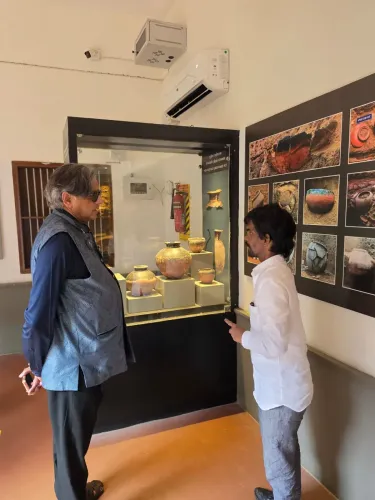
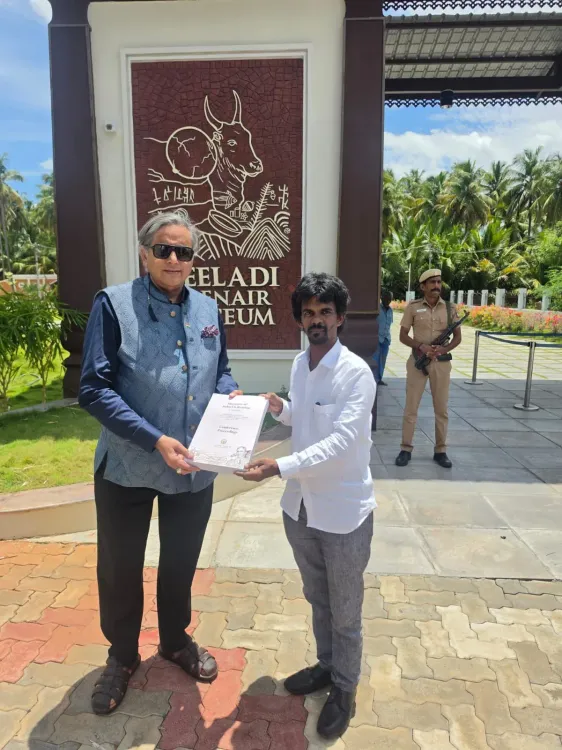
Tharoor extended 'grateful thanks' to Thiru. Ramesh of the Tamil Nadu State Archaeological Department, the official in charge of the Keeladi excavations, who personally guided the MP through the site. He described the findings as an 'extraordinary treasure trove' and praised Ramesh's 'immense knowledge' — a rare, direct endorsement of the field team doing the slow, painstaking work beneath the soil.
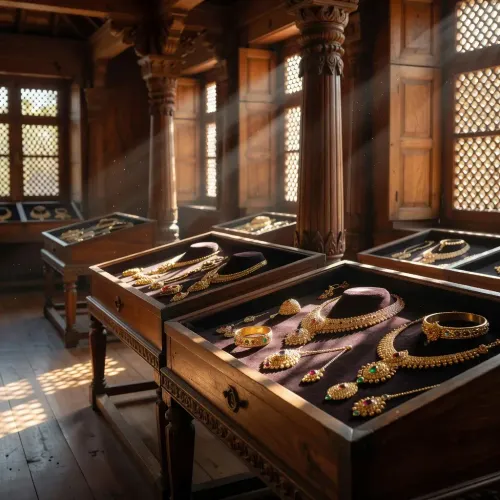
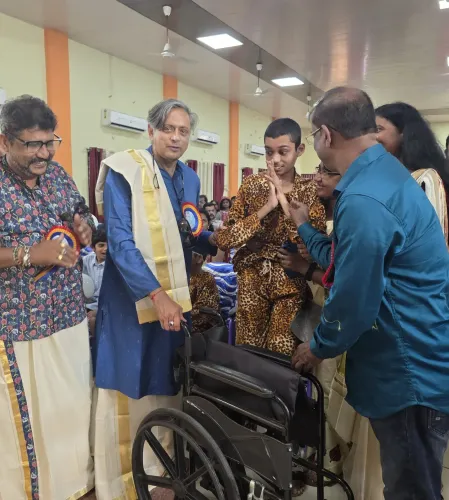
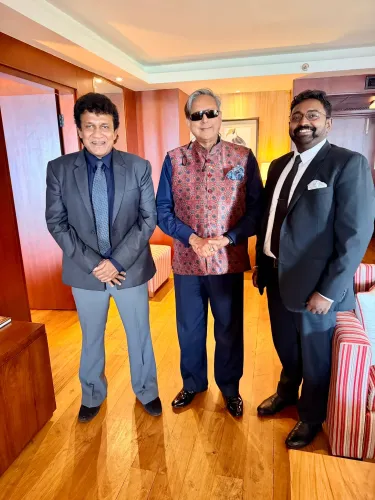
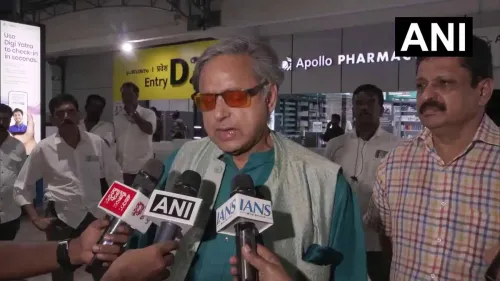
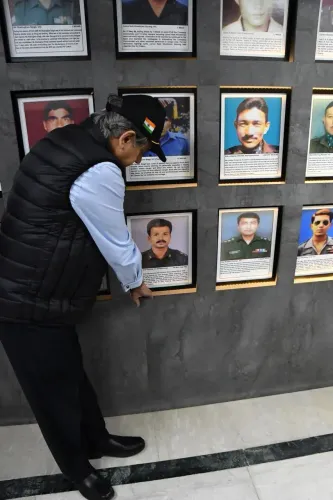
His post, accompanied by four photographs, carried an unambiguous public appeal: 'I urge all interested Indians to visit this marvellous site.' For a dig that has spent years fighting for attention and resources, that kind of platform matters.
From ASI to State Control — Keeladi's Long Road to Recognition
The Keeladi excavations began in 2014–15 under the Archaeological Survey of India before jurisdiction shifted to the Tamil Nadu State Archaeological Department — a transfer that reflected simmering tensions between federal heritage management and state ambitions. After 2017, Tamil Nadu doubled down: expanding the dig, establishing a site museum, and positioning Keeladi as proof of the antiquity and sophistication of Tamil urban civilisation during the Sangam era.
The artefacts unearthed — pottery with Tamil-Brahmi inscriptions, iron tools, beads, a structured urban layout — have fed a live academic and political debate over just how old, and how independent, the roots of Tamil culture truly are. Every new trench opened at Keeladi lands in that charged conversation.
Southern States Reclaiming Their Archaeological Narrative
Keeladi is not an isolated story. Across southern India, state governments have moved to assert greater control over heritage sites historically managed at the national level, seeking to anchor regional cultural identities in verified archaeological timelines. Tamil Nadu's push at Keeladi is among the most prominent examples of that wider trend.
The next milestones to watch: the formal opening of the Keeladi site museum and any state government move to seek UNESCO World Heritage recognition — a step that would catapult the site from a regional conversation into a global one.
An MP's afternoon in a dusty field, cameras in hand, is a small act. But pointing 900 million internet-connected Indians toward a place that challenges what they think they know about their own civilisation? That lands differently.
Point of View
And his public endorsement of the site, inserts a national political figure into what has largely been a state-driven archaeological and cultural assertion — one with real stakes in the broader debate over who controls India's heritage narrative. His praise for the Tamil Nadu State Archaeological Department implicitly validates the state's decision to wrest control of the dig from the central ASI, a move that carries political resonance beyond mere academic curiosity. As southern states increasingly invest in independent archaeological timelines to anchor cultural identity, visits like this from prominent national voices lend those efforts mainstream legitimacy. The push for a Keeladi site museum and potential UNESCO status means the site's political salience is only set to grow.
NationPress
26 Sept 2026
Frequently Asked Questions
What is Keeladi and why is it significant?
Keeladi is an archaeological excavation site in Sivaganga district, Tamil Nadu, where remains of a Sangam-era urban settlement have been unearthed. Findings including Tamil-Brahmi inscribed pottery, iron tools and a structured urban layout have fuelled scholarly debates about the antiquity of Tamil civilisation.
Why did Shashi Tharoor visit Keeladi?
Congress MP Dr. Shashi Tharoor visited the Keeladi excavation site on 26 September 2026, was personally guided by the Tamil Nadu State Archaeological Department's excavation officer Thiru. Ramesh, and subsequently urged the public to visit, calling it an 'extraordinary treasure trove'.
Who is in charge of the Keeladi excavations?
The Tamil Nadu State Archaeological Department currently oversees the Keeladi excavations. The dig originally began under the Archaeological Survey of India in 2014–15 before being transferred to the state body, which expanded work significantly after 2017.
Can tourists visit the Keeladi excavation site?
Yes, Keeladi is open to heritage tourists. Tamil Nadu has been developing site infrastructure, including a museum, to improve public access to the excavation and its findings.
Is Keeladi being considered for UNESCO World Heritage status?
A UNESCO nomination is among the possibilities being watched, but no formal listing has been confirmed. Tharoor's visit and public endorsement add to the visibility of the site at a time when Tamil Nadu is building the case for greater national and international recognition.