Amit Shah highlights women's empowerment under Modi govt
Synopsis
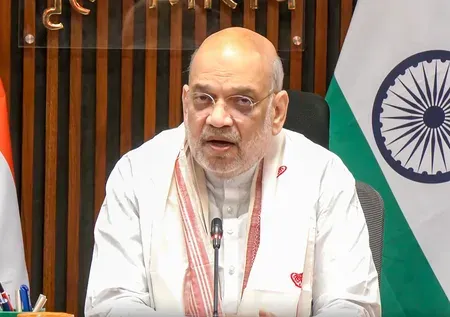
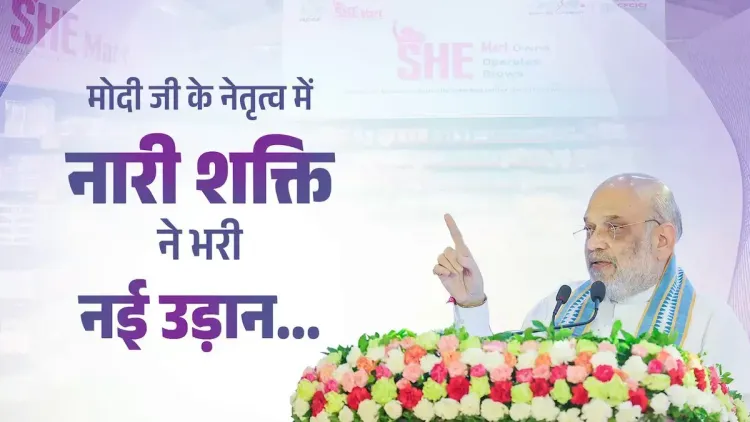
Union Home Minister Amit Shah on September 26, 2026 highlighted the rise of women's empowerment under PM Modi's leadership, pointing to a decade of flagship schemes including Beti Bachao Beti Padhao and Pradhan Mantri Ujjwala Yojana as evidence of 'Nari Shakti' taking flight.
Key Takeaways
Amit Shah posted on September 26, 2026 celebrating women's empowerment under PM Modi , calling it a 'new flight' for Nari Shakti.
Beti Bachao Beti Padhao , launched in 2015 , targets child sex ratio improvement and girls' education across India.
Pradhan Mantri Ujjwala Yojana , launched in 2016 , provides LPG connections to women from below-poverty-line households.
The BJP-led government has framed women's welfare as a core governance priority since 2014 , spanning education, health, and financial inclusion.
Women voters have been a significant electoral bloc, and government outreach through direct-benefit schemes has shaped political outcomes in multiple elections.
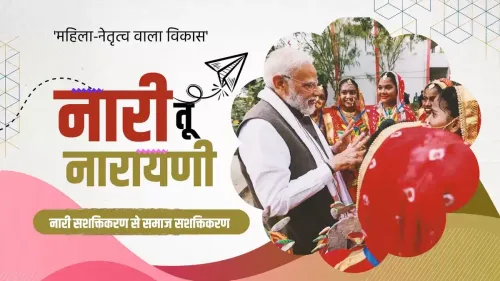
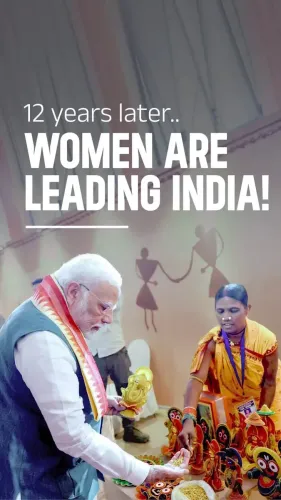
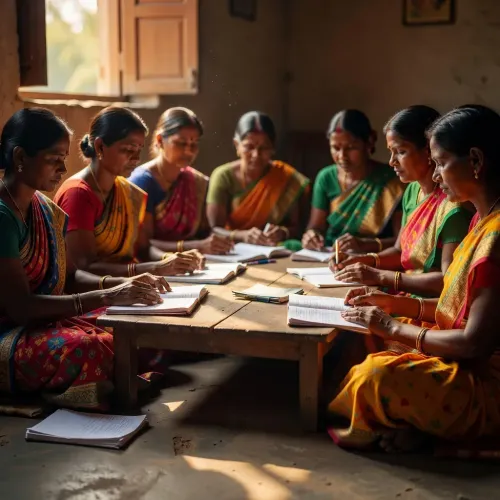
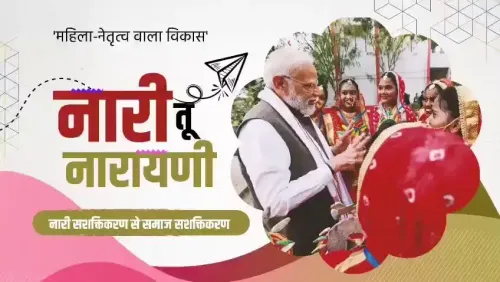
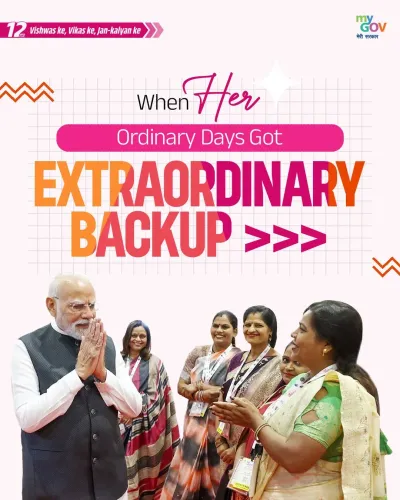
Under Prime Minister Narendra Modi's leadership, India's women-focused policy drive has drawn fresh attention — with Union Home Minister Amit Shah on Saturday, September 26, 2026 marking the momentum with a pointed message on the rise of 'Nari Shakti', or women's power, across the country.
Shah's post — 'Modi ji ke netritva mein Nari Shakti ne bhari nayi udaan' ('Under Modi ji's leadership, women's power has taken a new flight') — distils a decade-long policy narrative the BJP-led central government has consistently championed since 2014.
From kitchen smoke to classroom: the scheme trail behind the slogan
The phrase 'new flight' is not rhetorical by accident. Two flagship schemes anchor the government's claim. Beti Bachao Beti Padhao, launched in 2015, was designed to arrest a declining child sex ratio and push girls' enrolment in schools — turning a demographic crisis into a policy battleground. The following year, Pradhan Mantri Ujjwala Yojana brought LPG cooking gas connections directly to women from below-poverty-line households, a move framed as freeing rural women from the health burden of wood-fire smoke and the daily grind of fuel collection.
Together, these initiatives represent a deliberate attempt to weave women's welfare into the BJP's core governance identity — spanning education, health, financial inclusion, and domestic safety. Shah's post, backed by a video, amplifies that narrative at a moment when scheme performance and Budget allocations for the Ministry of Women and Child Development remain closely watched by both supporters and critics.
Why 'Nari Shakti' has become the BJP's defining political frame
The branding matters as much as the policy. Since 2014, the Modi government has consistently presented women's empowerment not as a welfare obligation but as a force multiplier for India's development ambitions. Shah's post fits squarely into that communication architecture — recasting beneficiaries as agents, and schemes as springboards rather than safety nets.
The political dividend is real: women voters have been a decisive bloc in multiple state and national elections, and the government's outreach through direct-benefit schemes has been credited — and contested — for shifting that dynamic. Whether the latest messaging signals a new policy announcement or consolidates existing gains ahead of the next Budget cycle is a question the coming weeks may answer.
If the last decade has been about laying the runway, the government's own language now insists the flight has begun — and it is asking India to look up.
Point of View
Making even celebratory social media posts function as campaign architecture. With the next Union Budget allocations for the Women and Child Development Ministry under scrutiny, this kind of high-visibility endorsement from a senior leader also serves as a pre-emptive signal that the government views women's welfare as non-negotiable in its fiscal priorities. The real test, as analysts note, lies in closing the gap between the scheme headlines and verifiable ground-level outcomes.
NationPress
26 Sept 2026
Frequently Asked Questions
What did Amit Shah say about women's empowerment on September 26, 2026?
Amit Shah posted on X saying that under PM Modi's leadership, 'Nari Shakti' — women's power — has taken a new flight, celebrating a decade of women-focused government schemes.
What is Beti Bachao Beti Padhao and when was it launched?
Beti Bachao Beti Padhao is a national scheme launched in 2015 to improve India's child sex ratio and promote girls' education and empowerment across the country.
What is Pradhan Mantri Ujjwala Yojana?
Pradhan Mantri Ujjwala Yojana, launched in 2016 , provides free or subsidised LPG cooking gas connections to women from below-poverty-line households, improving health outcomes and reducing domestic labour.
How has the Modi government prioritised women's welfare since 2014?
Since 2014 , the BJP-led government has launched multiple schemes covering girls' education, LPG access, financial inclusion, and women's safety, consistently framing these as central to India's development agenda.
Why does the BJP focus on Nari Shakti messaging?
Women voters have been a decisive electoral bloc in India, and the government's direct-benefit schemes targeting women are widely seen as having shaped voting patterns in both state and national elections.