Tharoor Wraps Up Colombo Lit Fest Visit, Calls It Productive
Synopsis
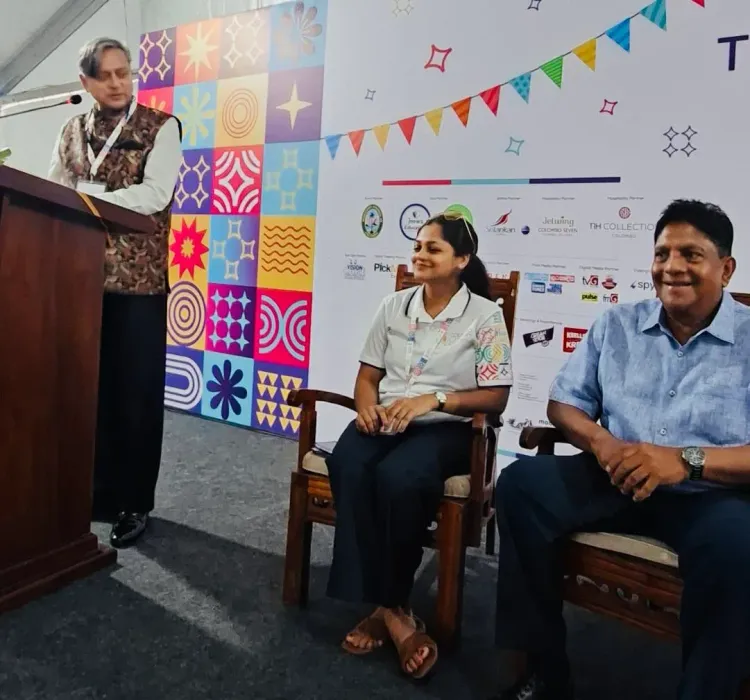
Congress MP Dr. Shashi Tharoor concluded a two-and-a-half-day visit to the Colombo Literary Festival on Sunday, praising the organisers and describing the trip as intensely productive. His participation underscores India-Sri Lanka cultural diplomacy through literary engagement.
Key Takeaways
Shashi Tharoor departed Colombo on Sunday, July 27, 2026 after attending the Colombo Literary Festival for two and a half days.
Tharoor described his time at the festival as 'intensely busy' and 'most productive.' He offered a 'special word of thanks' to the Colombo Lit Fest organisers, calling it a 'splendid event.' The visit aligns with a broader pattern of Indian public figures engaging in Sri Lankan cultural platforms as part of soft-power and people-to-people diplomacy.
Tharoor is a Congress MP from Thiruvananthapuram , a former Union Minister, and a widely published author who regularly participates in international literary events.
Congress MP Dr. Shashi Tharoor departed Colombo on Sunday, July 27, 2026, after a two-and-a-half-day visit to the Colombo Literary Festival, describing the experience as an intensely productive use of his time and offering warm praise for the event's organisers.
Context
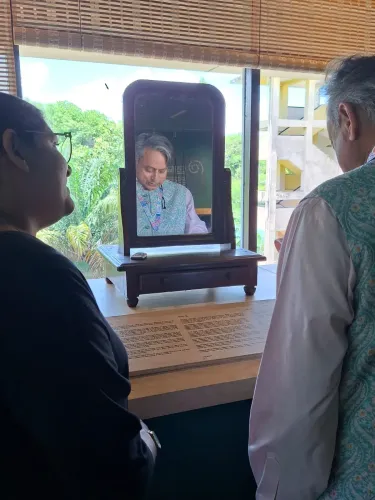
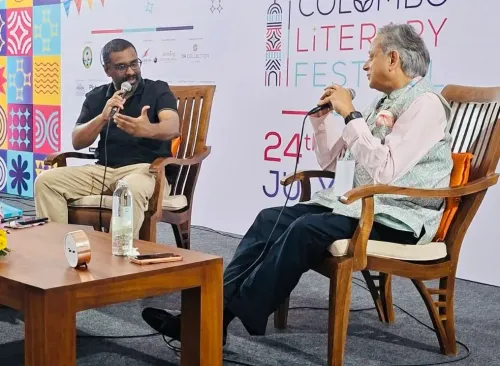
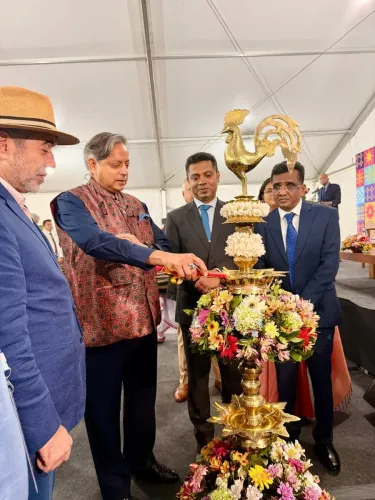
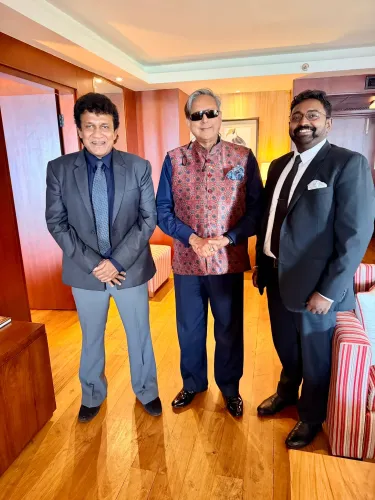
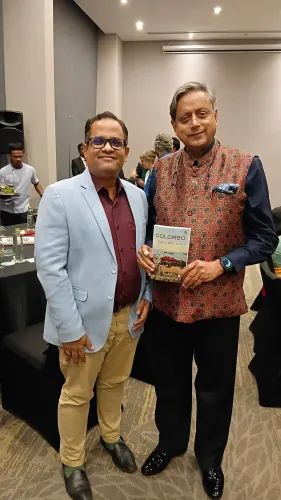
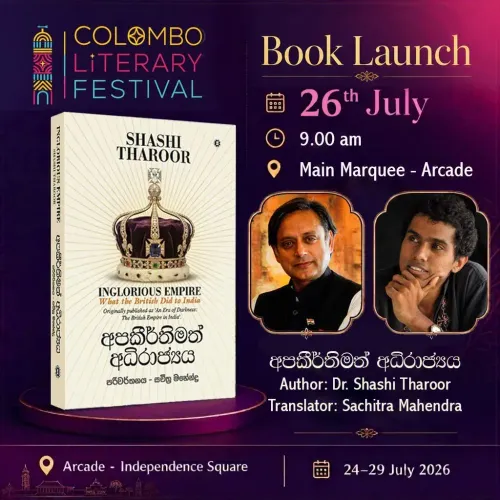
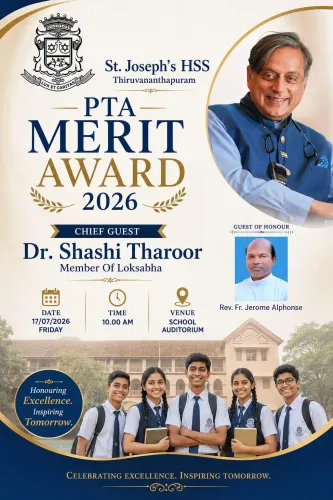
Tharoor, who is both a sitting Member of Parliament from Thiruvananthapuram and one of India's most widely read English-language authors, shared his reflections on the visit in a post on X (formerly Twitter). He wrote that he left Colombo 'feeling I had spent my limited time most productively' and extended 'a special word of thanks to the organisers of the #ColomboLitFest for organising such a splendid event.' The post was accompanied by four images from the festival.
The Colombo Literary Festival is an annual gathering held in Sri Lanka's capital that brings together regional and international authors, thinkers, and literary figures for discussions, readings, and public conversations. The festival has grown steadily as a platform for cross-border cultural exchange in South Asia.
Policy Backdrop
Tharoor's attendance fits within a longstanding pattern of Indian public figures participating in Sri Lankan cultural events as an expression of people-to-people diplomacy. Such engagements are broadly consistent with India-Sri Lanka cultural exchange frameworks that have operated alongside formal bilateral mechanisms covering trade, security, and Indian Ocean connectivity.
For Tharoor specifically, literary festivals represent a natural intersection of his twin roles as a legislator and a prolific author. He has previously participated in major literary events across South Asia, Europe, and beyond, often using such platforms to discuss Indian history, politics, and identity.
Stakeholders and Impact
The visit is of immediate interest to literary communities and cultural diplomacy watchers in both India and Sri Lanka. Tharoor's participation lends the Colombo Lit Fest considerable visibility among Indian audiences, given his large public following and media profile.
More broadly, Indian authors and public intellectuals engaging with Sri Lankan cultural institutions contribute to a reservoir of goodwill and mutual understanding that complements formal state-level ties. Such soft-power interactions can reinforce bilateral relationships even during periods of diplomatic complexity between the two neighbours.
What's Next
Tharoor's post, while truncated due to a URL cut-off, signals that the Colombo Lit Fest may be on its way to becoming a fixture on the regional literary calendar — a point he appeared to be making before the text was clipped. Observers of India-Sri Lanka cultural ties will watch whether his participation translates into deeper institutional linkages, such as joint author residencies or exchange programmes, in future editions of the festival. The Colombo Lit Fest's continued growth could position it as a significant annual bridge between the literary cultures of the two countries.
Point of View
Literary diplomacy offers a low-friction, high-visibility channel for building goodwill. Tharoor's consistent presence at South Asian and global literary events has made him one of India's most recognisable soft-power assets, and his imprimatur could meaningfully raise the festival's regional profile. The broader pattern suggests that cultural engagement is increasingly seen as a complement to, rather than a distraction from, hard diplomatic work.
NationPress
27 Jul 2026
Frequently Asked Questions
What is the Colombo Literary Festival?
The Colombo Literary Festival is an annual event held in Colombo, Sri Lanka, that brings together regional and international authors and thinkers for discussions, readings, and literary conversations. It has grown into one of South Asia's notable cultural gatherings.
Why did Shashi Tharoor attend the Colombo Lit Fest?
Tharoor attended the Colombo Lit Fest as a participant in the literary event. As both a sitting MP and a prolific author, he regularly takes part in major literary festivals across South Asia and internationally.
What did Shashi Tharoor say about his Colombo visit?
Tharoor said he left Colombo 'feeling I had spent my limited time most productively' and praised the organisers for putting together 'such a splendid event,' describing his two-and-a-half-day stay as intensely busy.
How does Tharoor's Colombo visit relate to India-Sri Lanka relations?
The visit is part of a longstanding pattern of people-to-people cultural diplomacy between India and Sri Lanka. Indian public figures participating in Sri Lankan cultural events help build soft power and mutual understanding alongside formal bilateral ties.
Is Shashi Tharoor an author as well as a politician?
Yes. Tharoor is a Congress MP from Thiruvananthapuram and also one of India's most widely read English-language authors, having written extensively on Indian history, politics, and culture. He is also a former UN Under-Secretary-General.