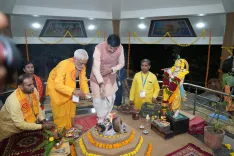
CM Tamang pays tribute to APJ Abdul Kalam on death anniversary
Synopsis
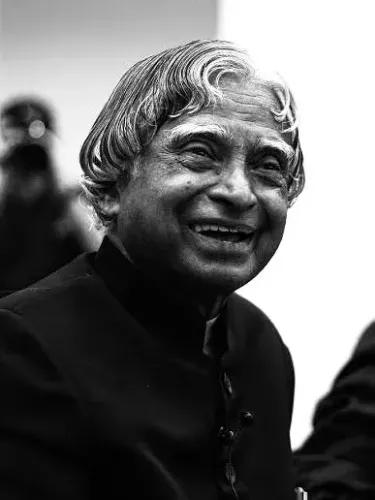
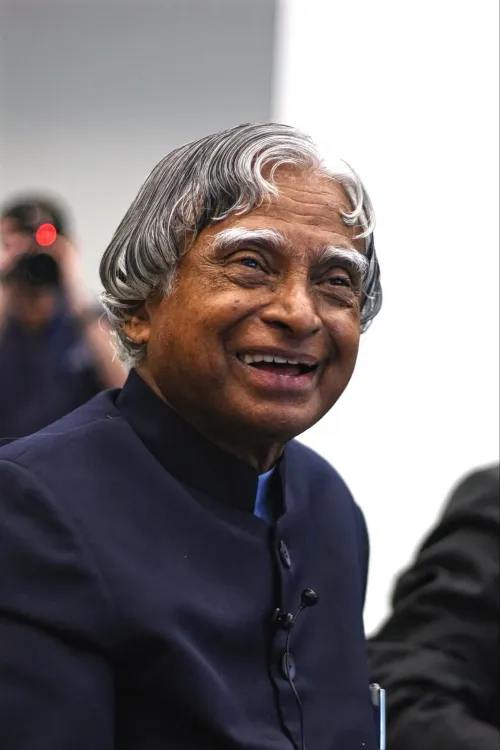
Sikkim Chief Minister Prem Singh Tamang paid heartfelt homage to Bharat Ratna Dr. A.P.J. Abdul Kalam on his death anniversary, honouring the People's President's legacy of humility, integrity, and his enduring vision of a strong, self-reliant India that continues to inspire the nation's youth.
Key Takeaways
Sikkim Chief Minister Prem Singh Tamang paid tribute to Dr.
Abdul Kalam on his death anniversary, 27 July .
Kalam served as India's 11th President from 2002 to 2007 and was awarded the Bharat Ratna in 1997 .
He passed away on 27 July 2015 while delivering a lecture at IIM Shillong .
CM Tamang highlighted Kalam's vision of a 'strong, self-reliant, and developed India' as a guiding light for the youth.
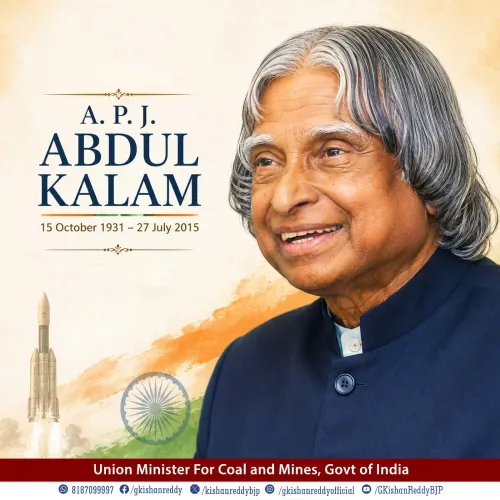
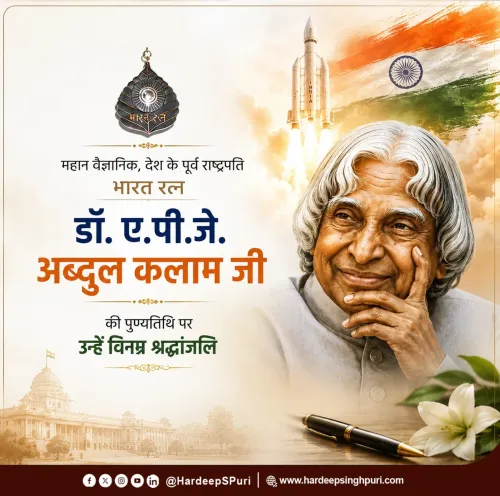
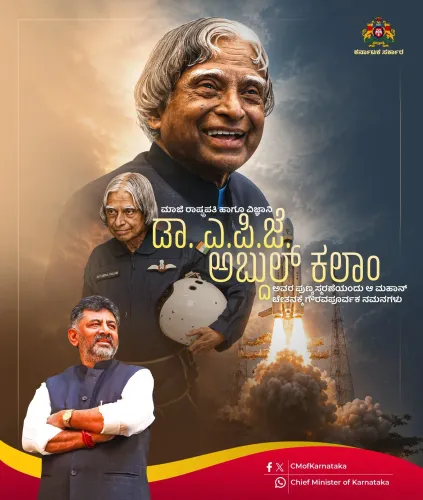
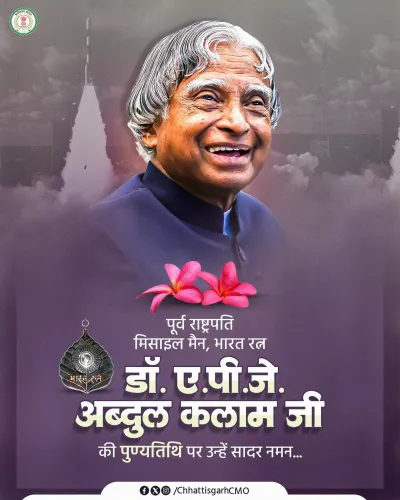
Tributes to Kalam on this date from leaders across India reflect his stature as a non-partisan, unifying national figure.
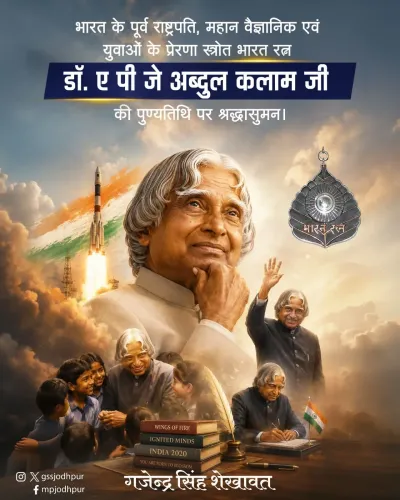
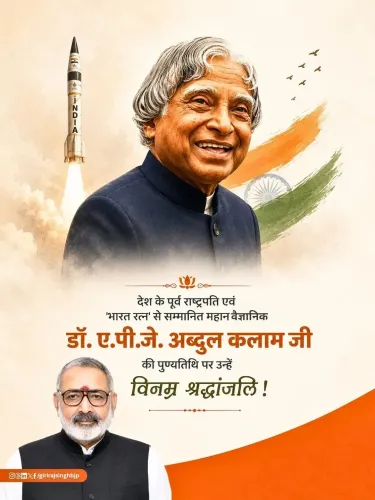
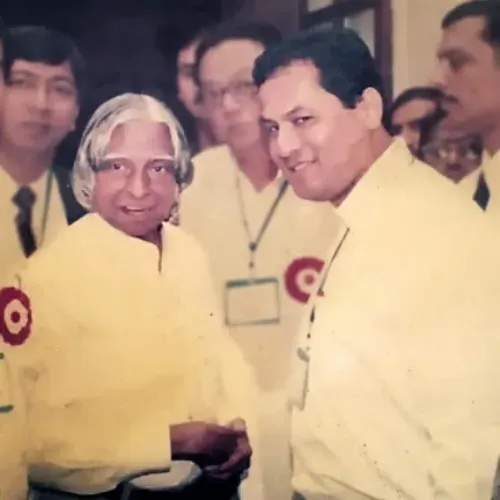
Sikkim Chief Minister Prem Singh Tamang on Monday, 27 July paid homage to Bharat Ratna Dr. A.P.J. Abdul Kalam on the death anniversary of the former President, hailing him as the 'People's President' whose life of humility and dedication continues to inspire generations of Indians.
Context
Dr. A.P.J. Abdul Kalam passed away on 27 July 2015 while delivering a lecture at IIM Shillong, leaving behind a legacy as one of India's most beloved public figures. He served as the 11th President of India from 2002 to 2007 and was a distinguished missile scientist before entering public life. His Bharat Ratna, India's highest civilian honour, was conferred in 1997.
CM Tamang, in his post on X, wrote: 'I pay my heartfelt homage to the People's President, whose life of humility, integrity, and unwavering dedication to the nation continues to inspire generations.' He added that Kalam's 'vision for a strong, self-reliant, and developed India remains a guiding light for our youth.'
Policy Backdrop
Across India, 27 July has become an occasion for state leaders and public institutions to reaffirm commitments to education, scientific temper, and national self-reliance — values Kalam championed throughout his career. Regional chief ministers routinely invoke Kalam's memory to anchor governance narratives around youth development and nation-building.
Kalam's vision of a technologically advanced and self-reliant India, articulated most prominently in his book India 2020, continues to inform policy discourse on education and innovation at both the central and state levels. His emphasis on inspiring young minds resonates particularly in smaller states like Sikkim, where youth empowerment remains a key governance priority.
Stakeholders and Impact
The tribute from CM Tamang, the founder-president of the Sikkim Krantikari Morcha (SKM), signals the continued relevance of Kalam's ideals within the state's political and educational discourse. Sikkimese youth and students stand as the primary audience for such messages, which seek to channel a spirit of public service and scientific aspiration.
Nationally, tributes on this date from leaders across party lines reflect a broad consensus on Kalam's stature as a non-partisan, unifying figure. His identity as a scientist-president who rose from modest origins in Rameswaram, Tamil Nadu, continues to make him a touchstone for conversations about meritocracy and inclusive development in India.
What's Next
Observers will watch whether the Sikkim government translates the tribute into concrete programmatic action — such as school initiatives, science outreach programmes, or youth engagement drives — referencing Kalam's vision in the coming academic year. Such steps would move the commemoration beyond the ceremonial and into the policy realm that Kalam himself advocated.
Point of View
Aligning with Kalam's legacy of self-reliance and scientific temper carries particular resonance in a small Himalayan state keen to project an aspirational identity for its young population. The tribute also underscores how Kalam's image transcends party affiliation, making him a safe and potent symbol for leaders across the political spectrum. The real test, as always, is whether such commemorations translate into tangible state-level initiatives in education and youth development.
NationPress
26 Oct 2026
Frequently Asked Questions
When did APJ Abdul Kalam pass away?
Dr. A.P.J. Abdul Kalam passed away on 27 July 2015 while delivering a lecture at the Indian Institute of Management (IIM) Shillong .
Why is APJ Abdul Kalam called the People's President?
Dr. Kalam earned the title 'People's President' for his accessibility, humility, and deep connect with ordinary citizens and students during his tenure as India's 11th President from 2002 to 2007 .
Who is Prem Singh Tamang?
Prem Singh Tamang is the Chief Minister of Sikkim and the founder-president of the Sikkim Krantikari Morcha (SKM) , the ruling party in the state.
What was APJ Abdul Kalam's vision for India?
Dr. Kalam envisioned a strong, self-reliant, and technologically developed India, a goal he articulated through his work as a missile scientist, his presidency, and his extensive engagement with students and youth across the country.
How do Indian leaders commemorate APJ Abdul Kalam's death anniversary?
Each year on 27 July , leaders across India — from the Prime Minister to state chief ministers — issue public tributes honouring Kalam's legacy of education, scientific temper, and national service, often linking his vision to current governance priorities.