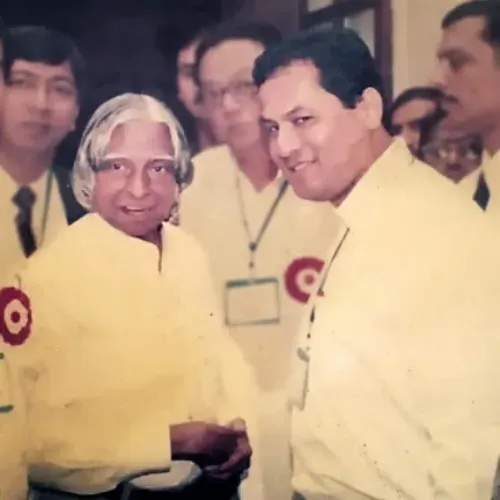
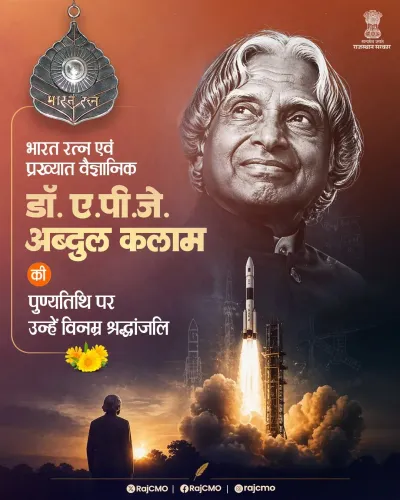
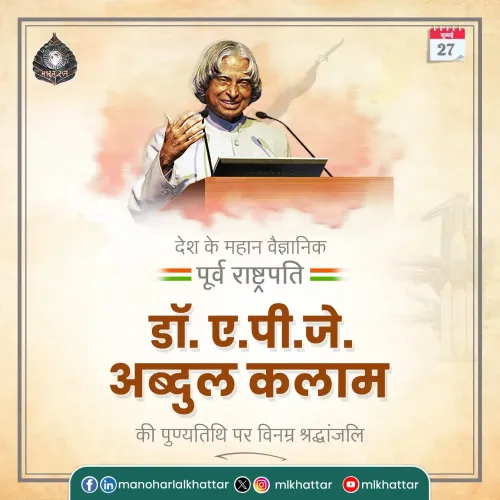
Shekhawat pays tribute to Dr. Kalam on death anniversary
Synopsis
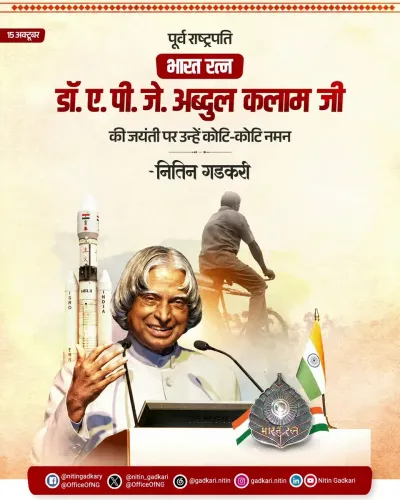
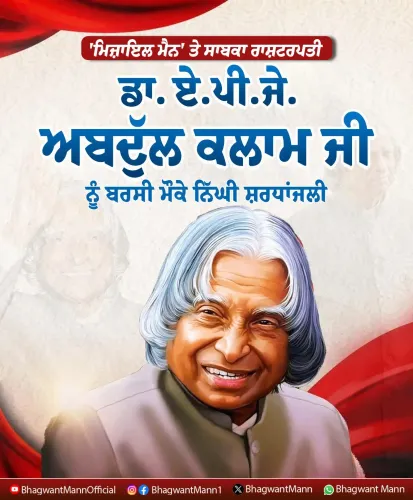
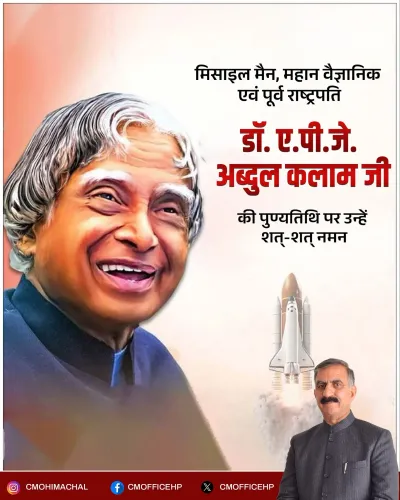
Union Culture and Tourism Minister Gajendra Singh Shekhawat paid homage to former President and Bharat Ratna awardee Dr. APJ Abdul Kalam on his death anniversary, calling him a great scientist and source of inspiration for India's youth. Kalam, who died on 27 July 2015 at IIM Shillong, remains a towering national icon.
Key Takeaways
Union Minister Gajendra Singh Shekhawat posted a tribute to Dr.
APJ Abdul Kalam on his death anniversary, 27 July 2026 .
Kalam served as India's 11th President from 2002 to 2007 and was a pioneering aerospace scientist.
He was awarded the Bharat Ratna in 1997 — India's highest civilian honour.
Kalam passed away on 27 July 2015 while addressing students at IIM Shillong .
Shekhawat described Kalam as a 'great scientist and source of inspiration for the youth of India.' Annual tributes from senior ministers reflect an established official practice of commemorating national icons who symbolise self-reliance and education.
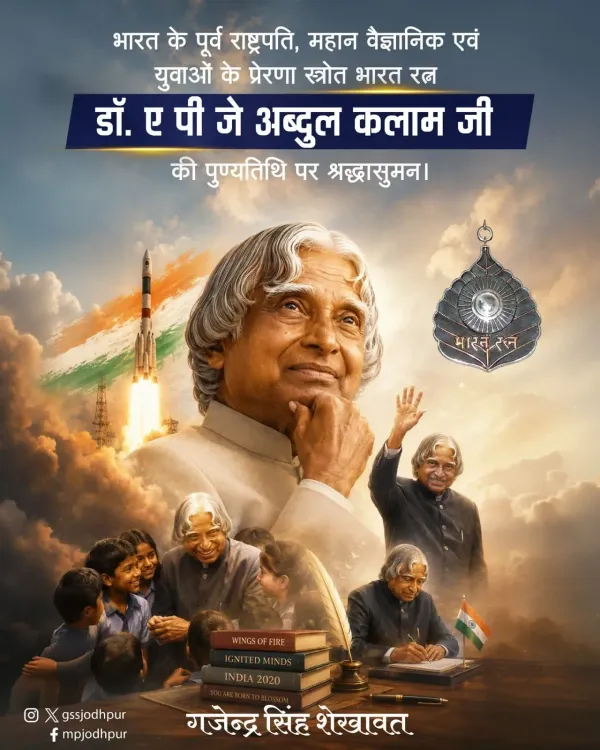
Union Culture and Tourism Minister Gajendra Singh Shekhawat on Monday, 27 July 2026 paid floral tribute to former President and Bharat Ratna awardee Dr. APJ Abdul Kalam on his death anniversary, honouring the scientist-statesman as a source of inspiration for India's youth.
Posting on X, Shekhawat wrote: 'भारत के पूर्व राष्ट्रपति, महान वैज्ञानिक एवं युवाओं के प्रेरणा स्त्रोत भारत रत्न डॉ. ए पी जे अब्दुल कलाम जी की पुण्यतिथि पर श्रद्धासुमन।' — 'Heartfelt tribute on the death anniversary of India's former President, great scientist and source of inspiration for the youth, Bharat Ratna Dr. APJ Abdul Kalam.'
Context
Dr. Avul Pakir Jainulabdeen Abdul Kalam served as the 11th President of India from 2002 to 2007 and was one of the country's most celebrated aerospace scientists. He passed away on 27 July 2015 while delivering a lecture to students at the Indian Institute of Management, Shillong. He was awarded the Bharat Ratna — India's highest civilian honour — in 1997.
Kalam was the principal architect of India's missile development programme and played a foundational role in the country's space and defence capabilities. His mass appeal, particularly among students and young professionals, earned him the informal title 'People's President.'
Policy Backdrop
The commemoration of Kalam's death anniversary has become an established practice among Indian public figures and institutions, reflecting a broader official tradition of honouring scientists and former heads of state who symbolise self-reliance, education, and national pride. The Ministry of Culture, which Shekhawat heads, is the nodal body for state-led cultural and commemorative events.
Kalam's legacy is frequently invoked in the context of India's ongoing push in space technology, defence indigenisation, and science education — policy domains that carry significant weight in the current national discourse.
Stakeholders and Impact
Kalam's death anniversary resonates deeply with India's youth, educators, and the scientific community. Annual tributes from senior ministers signal the continued relevance of his philosophy — particularly his emphasis on dreaming big, scientific temper, and national service — in shaping public policy narratives.
For the ruling Bharatiya Janata Party, invoking Kalam's memory also carries symbolic weight, as his legacy cuts across political and religious lines, making him a unifying national figure.
What's Next
The Ministry of Culture typically coordinates or supports memorial programmes around 27 July each year. Educational institutions and scientific bodies across the country are expected to hold remembrance events, lectures, and student outreach programmes in Kalam's memory. Any new initiatives bearing Kalam's name — in science education or youth policy — announced around this date would merit close attention.
Point of View
Defence, and science education, annual Kalam remembrances are likely to grow in institutional weight, not diminish.
NationPress
25 Oct 2026
Frequently Asked Questions
When did APJ Abdul Kalam die?
Dr. APJ Abdul Kalam died on 27 July 2015 while delivering a lecture to students at the Indian Institute of Management in Shillong, Meghalaya .
What award did APJ Abdul Kalam receive?
Dr. APJ Abdul Kalam was awarded the Bharat Ratna — India's highest civilian honour — in 1997 , recognising his contributions to science and national service.
Who is Gajendra Singh Shekhawat?
Gajendra Singh Shekhawat is the Union Minister of Culture and Tourism, a senior BJP leader, and the Lok Sabha MP representing Jodhpur, Rajasthan .
Why is APJ Abdul Kalam called the 'People's President'?
Kalam earned the informal title 'People's President' for his deep connect with students, youth, and ordinary citizens, and for his approachable, inspirational style during his presidency from 2002 to 2007 .
What was APJ Abdul Kalam's role in India's defence programme?
Dr. Kalam was a principal architect of India's missile development programme and made foundational contributions to the country's space and defence capabilities as a leading aerospace scientist.