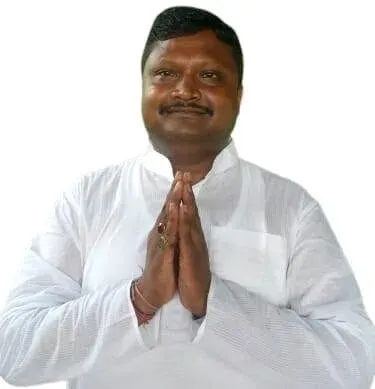
Prakash Chik Baraik quits TMC Rajya Sabha seat; Marandi cites tribal shift to BJP
Synopsis
Three TMC Rajya Sabha MPs have quit in four days — and BJP's Babulal Marandi is framing it as a tribal political awakening. With TMC's Upper House count now at 10, the resignations of Roy, Dev, and Baraik signal post-election fractures that could redraw eastern India's political map.
Key Takeaways
Prakash Chik Baraik resigned from the Rajya Sabha and quit Trinamool Congress primary membership on 11 June .
He is the third TMC Rajya Sabha MP to resign within four days , following Sukhendu Sekhar Roy and Sushmita Dev .
TMC's Rajya Sabha strength has fallen from 13 to 10 seats.
BJP leader Babulal Marandi claimed the resignations reflect tribal communities moving toward nationalism and development politics.
Baraik cited the West Bengal Assembly election mandate as the reason for his decision to step down.
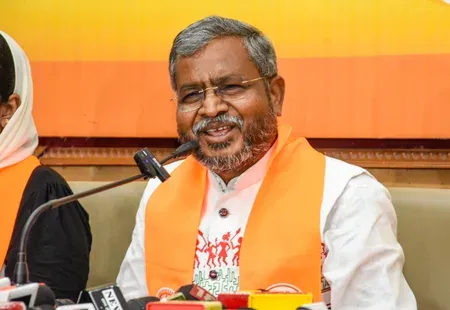
Babulal Marandi, Leader of Opposition in the Jharkhand Assembly, on Thursday, 11 June interpreted the resignation of All India Trinamool Congress (TMC) Rajya Sabha MP Prakash Chik Baraik as evidence of a broader political realignment among India's tribal communities — away from what he described as appeasement politics and toward nationalism and development-focused governance.
Baraik's Resignation and What He Said
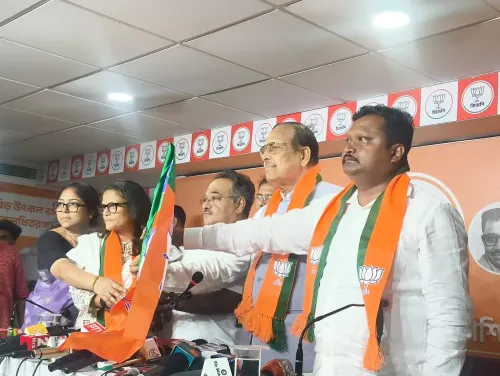
Baraik resigned from both the Rajya Sabha and the primary membership of the Trinamool Congress. Speaking to reporters after stepping down, he said, 'The recently concluded West Bengal Assembly elections had given a specific mandate. So, as a mark of respect to that, I decided to resign from the Rajya Sabha. At the same time, I have also decided to quit the Trinamool Congress. In the coming days, I will be working as per the instructions of the Chief Minister.'
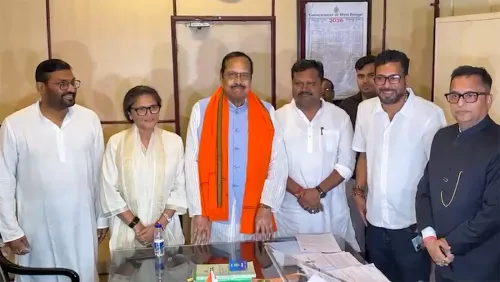
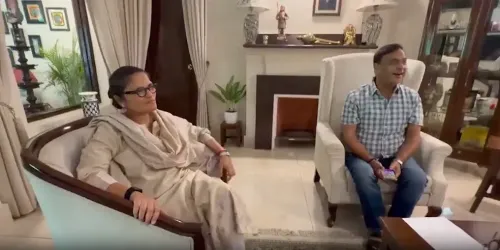
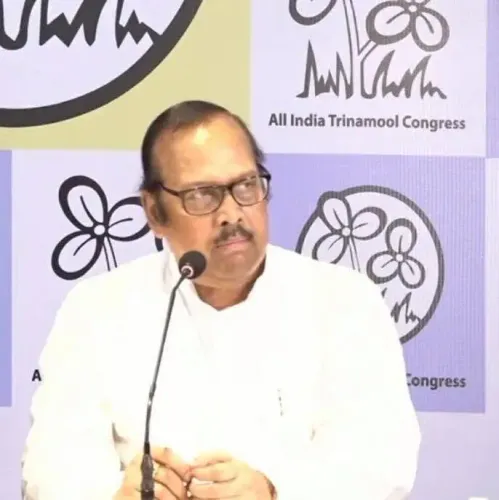
Baraik is the third TMC Rajya Sabha member to resign from the Upper House and quit the party's primary membership within four days. The first was Sukhendu Sekhar Roy and the second was Sushmita Dev. With his exit, the TMC's Rajya Sabha strength has dropped from 13 to 10.
What Marandi Said on X
In a post on X, Marandi argued that Baraik's resignation signals that the people of West Bengal have delivered a mandate in favour of the Bharatiya Janata Party (BJP). He added that the move reflects not just an individual decision but growing confidence among the tribal community in the BJP as a political force.
Marandi further claimed that tribal communities in Jharkhand are closely watching the BJP's work on what he described as the five pillars of tribal concern — jal (water), jungle (forest), zameen (land), sanskriti (culture), and samman (dignity). He also claimed that under Prime Minister Narendra Modi, the tribal community has, for the first time, received broader respect and adequate political representation.
Broader Implications for TMC
Marandi targeted the Trinamool Congress directly, stating that 'the continuing resignations within the party indicate a waning public trust in it.' He argued that the political shift could reshape the direction of politics across eastern India in the coming years, with increasing tribal participation in the BJP potentially reconfiguring regional power dynamics.
Notably, this is the third such high-profile TMC exit in under a week, suggesting a pattern of post-election attrition within the party following the West Bengal Assembly election results. Whether these resignations represent a structural crack or a temporary realignment remains to be seen as the political dust settles in the state.
What Comes Next
With the TMC's Upper House tally now at 10 seats, the party faces both a numerical and symbolic setback in Parliament. Political observers will watch closely whether the BJP capitalises on this tribal outreach narrative ahead of future state elections in Jharkhand and the broader eastern region.
Point of View
But the underlying trend of tribal voter diversification across eastern India is real and has been building since 2019. The more consequential question is whether these exits translate into durable BJP gains in Jharkhand and West Bengal, or whether they remain elite-level defections that do not shift ground-level vote shares. The TMC's slide from 13 to 10 in the Rajya Sabha is a manageable loss numerically, but the optics of serial resignations carry a corrosive reputational cost that no party can absorb indefinitely.
NationPress
26 Oct 2026
Frequently Asked Questions
Why did Prakash Chik Baraik resign from the Rajya Sabha?
Baraik said he resigned as a mark of respect to the mandate delivered by the people of West Bengal in the recently concluded Assembly elections. He also quit the primary membership of the Trinamool Congress and indicated he would work going forward as per the instructions of the Chief Minister.
How many TMC Rajya Sabha MPs have resigned in recent days?
Three TMC Rajya Sabha members have resigned within four days — Sukhendu Sekhar Roy, Sushmita Dev, and Prakash Chik Baraik. The resignations have reduced TMC's Rajya Sabha strength from 13 to 10 seats.
What did Babulal Marandi say about Baraik's resignation?
BJP leader and Jharkhand Leader of Opposition Babulal Marandi said the resignation reflects the tribal community moving beyond appeasement and dynastic politics toward nationalism and development. He posted his remarks on X, arguing the move shows growing tribal confidence in the BJP.
What is the significance of TMC losing three Rajya Sabha members?
The exits reduce TMC's Upper House tally to 10, weakening its parliamentary leverage. Beyond the numbers, the back-to-back resignations signal internal fractures within the party following the West Bengal Assembly election outcome.
How does this affect tribal politics in eastern India?
According to Marandi, increasing tribal participation in the BJP could reshape regional politics in Jharkhand and eastern India. However, analysts note that translating elite-level defections into sustained ground-level tribal support for the BJP remains an open question.