Tamil Nadu secretariat: Thiruvidanthai on ECR emerges as alternate site
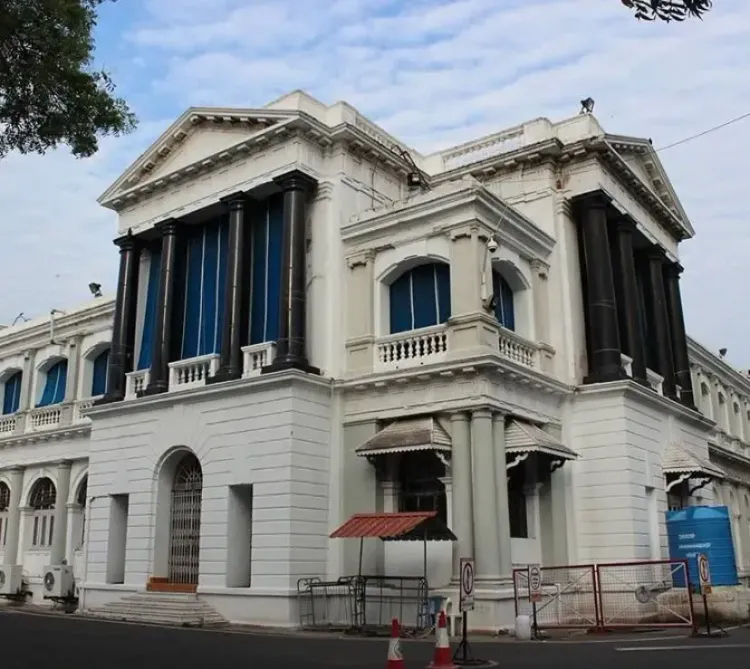
Synopsis
Two decades after a similar proposal was shelved, Thiruvidanthai on Tamil Nadu's East Coast Road is back in the conversation as a potential home for a new Assembly-cum-secretariat complex. With opposition parties demanding an integrated administrative city on 500-1,000 acres — not just a replacement building — the debate has grown bigger than any single site.
Key Takeaways
Thiruvidanthai on the East Coast Road has resurfaced as a possible alternative to the Foreshore Estate site for Tamil Nadu's proposed Assembly-cum-secretariat complex .
A senior government official denied that the Foreshore Estate plan was being reconsidered or that Thiruvidanthai was formally under evaluation.
Opposition parties are demanding an integrated administrative city of 500 to 1,000 acres outside Chennai , not a standalone building.
A similar proposal for a 2,000-acre administrative centre near Mamallapuram and Thiruvidanthai-Thaiyur was explored in the early 2000s but shelved after officials estimated a 15-to-20-year build timeline.
Fishermen's organisations support Thiruvidanthai but say improved road and public transport links to central Chennai are essential.
The final decision will hinge on land availability, connectivity, environmental impact, disaster resilience, and long-term expansion scope.
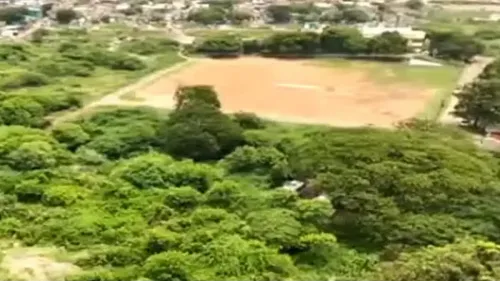
Thiruvidanthai, located on the East Coast Road (ECR), has re-entered public debate as a possible alternative to the Tamil Nadu government's plan to construct an Assembly-cum-secretariat complex at Foreshore Estate in Chennai, amid growing opposition from political parties and fishermen's organisations. The site's appeal rests primarily on the availability of large tracts of land and the scope for long-term expansion.
However, a senior government official denied reports that the Foreshore Estate proposal was under reconsideration, or that Thiruvidanthai was formally being evaluated as an alternative location.
Why Thiruvidanthai Is Back in Focus
Opposition parties and fishermen's groups have consistently pushed back against the Foreshore Estate site, citing concerns over coastal land use and limited expansion potential. Their counter-proposal goes beyond a standalone building — they are calling for an integrated administrative city capable of serving the state's governance needs for several decades.
The East Coast Road corridor has drawn attention because of its land availability and future-expansion potential. Fishermen's organisations have described Thiruvidanthai as a fitting alternative, though they have stressed that robust road and public transport connectivity to central Chennai — and easy access for citizens travelling from other districts — would be non-negotiable prerequisites.
A Proposal That Dates Back Two Decades
The renewed discussion has revived an earlier government initiative to build an administrative city in the Thiruvidanthai-Thaiyur region. In the early 2000s, the state had explored a plan for a major administrative centre outside Chennai, originally scoped at around 2,000 acres near Mamallapuram, before focus shifted to the Thiruvidanthai and adjoining Thaiyur area.
That earlier plan was wider in scope than a new secretariat building — it envisaged relocating several government offices and developing supporting infrastructure. Officials at the time, however, estimated that creating an administrative city of that scale would take between 15 and 20 years, and the proposal was shelved as an immediate solution. The government subsequently examined several sites within Chennai, including educational institution campuses, for a new secretariat complex.
What Opposition Parties Are Demanding
Opposition parties have called for developing an integrated administrative city spread over 500 to 1,000 acres outside Chennai, arguing that limiting the project to a single complex would be short-sighted. They want a location that can serve as a comprehensive administrative hub rather than a replacement for one building.
Notably, the debate reflects a broader tension in Tamil Nadu's urban planning priorities — whether to keep critical government functions tethered to Chennai's increasingly congested core, or to use a large-scale relocation to drive balanced regional development.
Key Factors in Any Final Decision
Any viable site will require a detailed assessment across multiple dimensions: land availability, transport links, environmental impact, and infrastructure costs. Additional considerations include scope for future expansion, disaster resilience — particularly given coastal proximity — and accessibility for the general public.
The proposed administrative headquarters is expected to serve Tamil Nadu for the next century, making the selection decision one of the most consequential infrastructure choices the state government will face in this term. A timeline for a formal decision has not been announced.
Point of View
Echoing a proposal the state itself drafted and quietly buried two decades ago. The 15-to-20-year build estimate that killed the earlier plan has not changed; if anything, land acquisition, environmental clearances, and infrastructure costs have grown more complex. Unless the government converts this public debate into a formal site-assessment process with a credible timeline, Thiruvidanthai risks remaining a talking point rather than a decision.
NationPress
22 Sept 2026
Frequently Asked Questions
Why is Thiruvidanthai being discussed as an alternate site for the Tamil Nadu secretariat?
Thiruvidanthai on the East Coast Road has re-entered public debate because of mounting opposition to the government's plan to build the Assembly-cum-secretariat complex at Foreshore Estate in Chennai. The site's large land availability and expansion potential make it an attractive alternative, according to opposition parties and fishermen's organisations.
Has the Tamil Nadu government officially considered Thiruvidanthai as an alternative?
No. A senior government official denied that the Foreshore Estate proposal was under reconsideration or that Thiruvidanthai was formally being evaluated as an alternative site. The discussion remains in the public and political domain rather than at an official planning stage.
What was the earlier administrative city proposal for Thiruvidanthai?
In the early 2000s, the Tamil Nadu government examined a plan for a major administrative centre outside Chennai, initially scoped at around 2,000 acres near Mamallapuram before attention shifted to the Thiruvidanthai-Thaiyur area. The plan envisaged relocating multiple government offices but was not pursued because officials estimated it would take 15 to 20 years to complete.
What are opposition parties demanding instead of a new secretariat building?
Opposition parties are calling for an integrated administrative city spread over 500 to 1,000 acres outside Chennai, rather than a single replacement building. They want a comprehensive hub capable of meeting the state's governance needs for several decades.
What conditions have fishermen's organisations attached to their support for Thiruvidanthai?
Fishermen's organisations have described Thiruvidanthai as a suitable alternative but have stressed that strong road and public transport connectivity to central Chennai is essential, along with easy access for citizens travelling from other districts across Tamil Nadu.