Thoothukudi fishermen demand sea ambulance to cut high-seas medical delays
Synopsis
Nearly 10,000 fishermen venture daily into the Gulf of Mannar from Thoothukudi with no emergency medical safety net. A heart attack or serious accident means hours at sea before any hospital care — and the community says that delay is killing people. Their demand for a dedicated sea ambulance service is now a test of whether Tamil Nadu will treat maritime emergency response as essential infrastructure.
Key Takeaways
Fishing communities in Thoothukudi district , Tamil Nadu , are demanding a dedicated sea ambulance service along the district's 163.5-km coastline .
Nearly 10,000 fishermen venture into the Gulf of Mannar daily across 21 fishing hamlets , with no access to emergency medical care at sea.
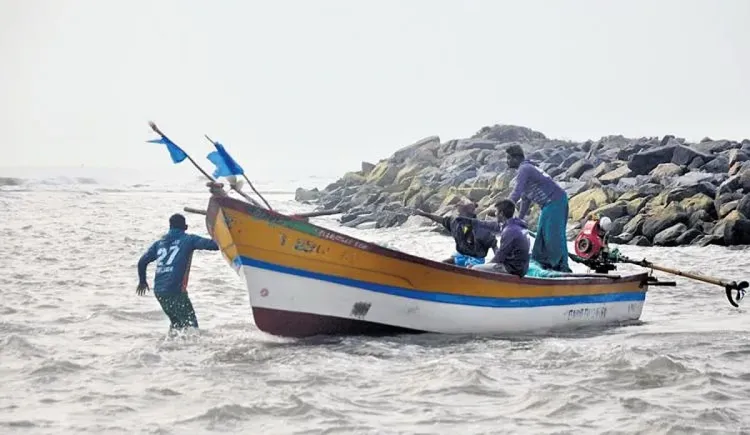
The district operates more than 4,500 motorised country craft boats , 350 gill-net vessels , and around 200 bottom trawlers ; some journeys last more than 10 hours .
Fishermen suffering heart ailments, accidents, or drowning incidents currently face multi-hour delays before reaching shore-based hospitals.
The community is calling for strategically positioned sea ambulances staffed with trained medical personnel along the Thoothukudi coast.
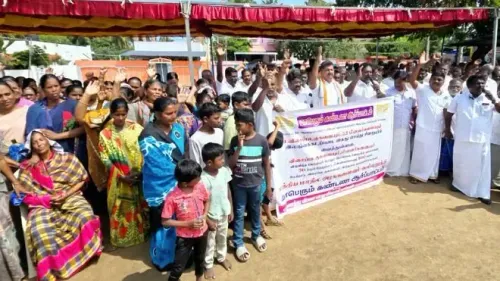
Fishing communities in Thoothukudi district, Tamil Nadu, are intensifying calls for a dedicated sea ambulance service along the district's 163.5-km coastline, arguing that the absence of emergency medical response at sea is costing fishermen their lives. The demand, voiced by fishermen's associations and community leaders, comes as nearly 10,000 fishermen venture into the Gulf of Mannar every day with no access to immediate medical care.
The Scale of the Problem
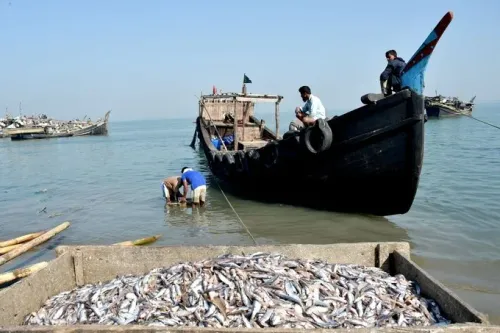
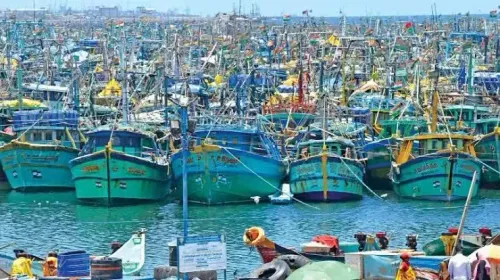
Thoothukudi's coastline stretches from Vembar in the north to Manappad in the south, encompassing 21 fishing hamlets actively engaged in marine fishing. According to officials, more than 4,500 motorised country craft boats, 350 mechanised gill-net fishing vessels, and around 200 mechanised bottom trawlers operate from the district. An estimated 500 conch divers also work the seabed collecting dead conches and chanks.
Country boat fishermen typically operate within territorial waters up to 12 nautical miles offshore. Mechanised vessels travel considerably farther, with single journeys lasting more than 10 hours, while gill-net boats often remain at sea for several days at a stretch.
Why Delays Are Proving Fatal
When a crew member suffers a heart ailment, breathing difficulty, or a serious accident at sea, fishing vessels are currently forced to abandon operations and make the long journey back to shore before any hospital care can begin. Those hours in transit, fishermen say, are often the difference between life and death.
The situation is compounded during drowning incidents or disappearances, where nearby vessels are mobilised for search operations and fishermen's associations sometimes bear the financial burden of prolonged searches. By tradition, fishing communities also suspend all operations and return to shore when a fisherman dies at sea — a practice that underscores both the human cost and the economic disruption these emergencies cause.
What the Community Is Asking For
Fishermen believe deploying properly equipped sea ambulances — staffed with trained medical personnel and positioned at strategic points along the Thoothukudi coast — would provide a critical emergency response layer. Such a service, they argue, could deliver immediate medical care, facilitate the evacuation of critically ill or injured crew members, and dramatically reduce the time taken to transport patients from open waters to mainland hospitals.
The proposal envisions a network of response points rather than a single vessel, reflecting the length and diversity of the coastline and the varying distances at which different categories of boats operate.
Broader Context
The demand from Thoothukudi is not isolated. Coastal fishing districts across India have periodically raised concerns about the lack of maritime emergency infrastructure, but dedicated sea ambulance services remain rare. Tamil Nadu's fishing sector is one of the largest in the country, and Thoothukudi is among its most active districts. The push for a sea ambulance echoes similar campaigns in Kerala and Andhra Pradesh, where pilot programmes have been proposed but implementation has been slow.
Authorities have yet to formally respond to the latest round of demands. With the fishing season in full swing, community leaders say the urgency cannot be overstated — and that every day without a sea ambulance is a day another fisherman's life is left to chance.
Point of View
Yet maritime emergency medical response remains almost entirely absent from policy frameworks. The fact that fishermen's associations are personally funding search operations when men go missing at sea is a quiet admission that the state has abdicated a basic duty of care. Tamil Nadu has the administrative capacity and the coastline density to pilot a sea ambulance network; what has been missing is political will. If this demand is again met with silence, the next death at sea will not be an accident — it will be a policy failure.
NationPress
24 Sept 2026
Frequently Asked Questions
What is the sea ambulance service demanded by Thoothukudi fishermen?
It is a proposed emergency medical response service consisting of equipped vessels staffed with trained medical personnel, stationed at strategic points along Thoothukudi's 163.5-km coastline. The service would provide immediate care at sea and evacuate critically ill or injured fishermen to mainland hospitals, cutting the hours-long delays that currently occur when fishing boats must return to shore before any treatment can begin.
Why is there an urgent need for a sea ambulance in Thoothukudi?
Nearly 10,000 fishermen from Thoothukudi venture into the Gulf of Mannar every day, with mechanised vessels staying at sea for more than 10 hours and gill-net boats remaining out for several days. When a medical emergency occurs — heart attacks, accidents, or drowning — there is no on-water medical response, forcing vessels to travel for hours before reaching shore-based hospitals, often with fatal consequences.
How large is Thoothukudi's fishing sector?
Thoothukudi district has a 163.5-km coastline with 21 active fishing hamlets. It operates more than 4,500 motorised country craft boats, 350 mechanised gill-net fishing vessels, and around 200 mechanised bottom trawlers. About 500 conch divers also work the seabed, and nearly 10,000 fishermen go to sea daily.
Has Tamil Nadu or any Indian state introduced sea ambulance services before?
Dedicated sea ambulance services remain rare across India's coastal states. Similar demands have been raised in Kerala and Andhra Pradesh, where pilot programmes have been proposed, but implementation has been slow. Thoothukudi's renewed push is part of a broader pattern of coastal communities highlighting the absence of maritime emergency infrastructure.
What happens currently when a fisherman has a medical emergency at sea?
Fishing crews are forced to abandon operations and return to shore, sometimes travelling for several hours before the patient can receive hospital care. In drowning or disappearance cases, nearby vessels are mobilised for searches, and fishermen's associations sometimes bear the cost of prolonged operations. Fishing communities also traditionally suspend all activity and return to shore when a fisherman dies at sea.