Tipra Motha Party Achieves Landslide Victory, Strengthens Control in Tripura Tribal Council
Synopsis
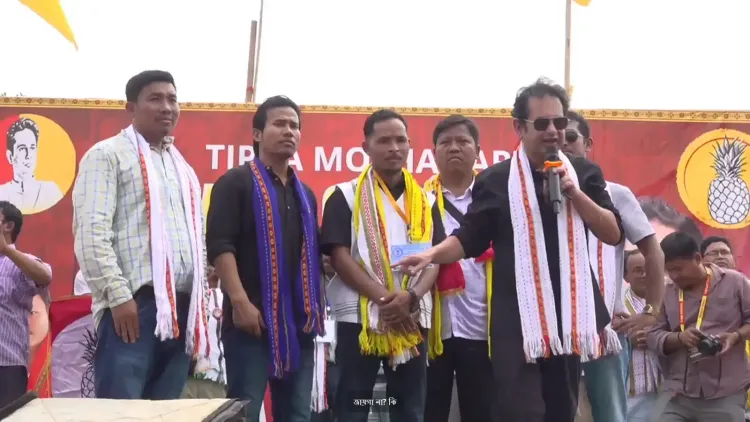
In a stunning electoral win, the Tipra Motha Party has expanded its influence in the Tripura Tribal Areas Autonomous District Council, securing 24 seats and reaffirming its dominance in the state's political landscape. This victory marks a significant shift as the party solidifies its position amidst declining support for the BJP.
Key Takeaways
Tipra Motha Party retains control of the TTAADC with 24 seats.
BJP experiences significant decline, winning only 4 seats.
Political dynamics in Tripura are shifting.
TTAADC is crucial for tribal governance.
High voter turnout of over 83% in the elections.
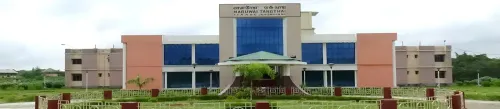
Agartala, April 17 (NationPress) In a remarkable outcome in the significant elections for the Tripura Tribal Areas Autonomous District Council (TTAADC), the Tipra Motha Party (TMP), a coalition partner of the ruling BJP, has successfully maintained its leadership of the state's second most vital constitutional entity after the Assembly.
The TTAADC, comprising 30 members, includes 28 elected officials and two appointed by the state government, overseeing nearly 70 percent of Tripura's 10,491 square kilometers.
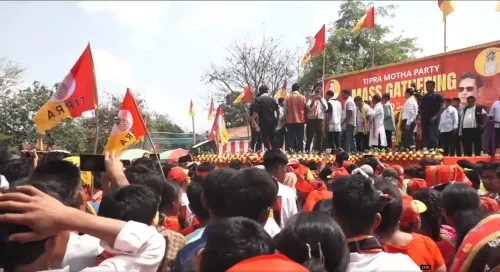
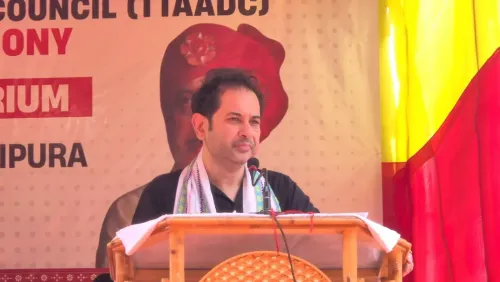
Led by former royal descendant Pradyot Bikram Manikya Debbarma, the tribal-centric TMP achieved victory in 24 seats, increasing its tally by six compared to the last elections.
Re-elected members, including outgoing TTAADC Chairman and Chief Executive Member (CEM) Jagadhish Debbarma and senior TMP leader Purna Chandra Jamatia, secured their positions once more.
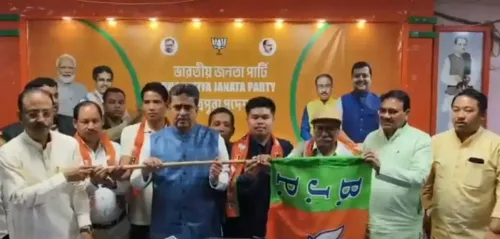
In contrast, the BJP secured only four seats this time, a significant drop from the 10 it won in the 2021 TTAADC elections.
The CPI (M)-led Left Front and the Congress party again failed to gain any seats, echoing their performance from the previous elections. In 2021, the BJP contested 11 seats, winning nine, while a BJP-backed Independent candidate also succeeded before joining the TMP. The TMP had won 18 seats then, seizing control from the CPI (M)-led Left Front after several years.
Political analysts observed that with two consecutive wins in the TTAADC, the TMP has solidified its role in Tripura's political arena.
Established in 1985 under the Sixth Schedule of the Constitution, the TTAADC wields limited power over around 68 percent of the state's geographic area. Despite these limitations, it remains a crucial constitutional entity, second only to the state Assembly in political significance.
Amid stringent three-tier security measures, counting for the crucial TTAADC elections took place on Friday across all eight districts of the state.
A State Election Commission (SEC) official indicated that prohibitory orders under Section 163 of the Bharatiya Nyaya Sanhita, 2023, were enforced at counting centers to ensure law and order.
Both central and state security forces were deployed, ensuring comprehensive security at all 17 counting locations throughout the state, the official added.
The electoral competition in the tribal council elections featured three national parties—the ruling Bharatiya Janata Party (BJP), the opposition CPI(M)-led Left Front, and the Congress—along with two significant regional entities, the Tipra Motha Party (TMP) and the Indigenous People’s Front of Tripura (IPFT).
Numerous smaller parties and Independent candidates also participated in the elections.
According to SEC officials, the BJP, TMP, and the Left Front placed candidates in all 28 constituencies. The Congress contested 27 seats, while the IPFT nominated candidates in 24 areas. Additionally, 38 Independent candidates, along with nominees from smaller parties, contested the elections.
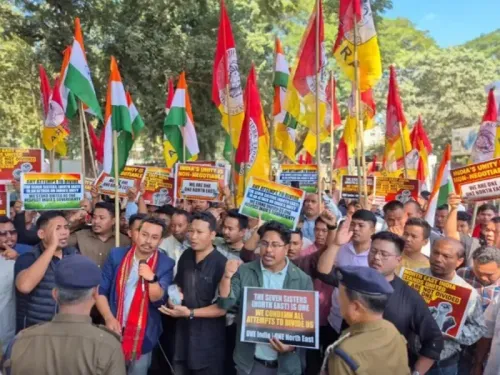
The BJP and its two tribal-oriented allies—TMP and IPFT—contested the April 12 elections separately after failing to reach an electoral agreement for the TTAADC polls.
Since 2021, the TMP has presided over this strategically important council, which is considered the second most significant constitutional and political institution in Tripura, following the state Assembly.
The TTAADC was established in June 1985 under the Sixth Schedule of the Indian Constitution to foster the socio-economic advancement of tribal communities, which continue to play a vital role in the state's political dynamics.
Tribal populations account for nearly one-third of Tripura's 4.2 million residents and remain a crucial factor in the state's politics. Over 83.52 percent of the 962,697 eligible voters participated in the April 12 elections, determining the fate of 173 candidates, including eight women.
Point of View
The recent elections underline the shifting dynamics within Tripura's political framework. The Tipra Motha Party's impressive performance reflects the evolving sentiments among voters, particularly in tribal regions. The declining influence of the BJP suggests a potential reconfiguration of alliances and priorities in the state.
NationPress
19 Sept 2026
Frequently Asked Questions
What is the significance of the Tipra Motha Party's victory?
The Tipra Motha Party's victory solidifies its influence in the Tripura Tribal Areas Autonomous District Council, marking an important shift in the state's political landscape.
How many seats did the Tipra Motha Party win?
The Tipra Motha Party won 24 seats in the recent TTAADC elections, increasing its representation by six seats compared to previous elections.
What challenges did the BJP face in this election?
The BJP faced a significant decline, winning only four seats compared to ten in the last elections, indicating a loss of support among voters.
What role does the TTAADC play in Tripura's governance?
The TTAADC administers nearly 70 percent of Tripura's geographical area and is considered the second most important constitutional body after the state Assembly.
Who leads the Tipra Motha Party?
The Tipra Motha Party is led by Pradyot Bikram Manikya Debbarma, a former royal scion.