Tamil Nadu Assembly June 18: Governor Arlekar in spotlight over anthem row
Synopsis
Tamil Nadu's first Assembly session under CM C. Joseph Vijay opens on 18 June with Governor Arlekar's address — but the real question isn't the legislative agenda. It's whether a simmering dispute over the ceremonial order of Vande Mataram and Thamizhthai Vaazhthu will erupt again, following a near-identical confrontation in Kerala where Arlekar himself reportedly objected to an abridged anthem rendition.
Key Takeaways
The Tamil Nadu Assembly will convene on 18 June with Governor Rajendra Arlekar delivering the inaugural address.
Controversy centres on the ceremonial sequencing of Thamizhthai Vaazhthu , Vande Mataram , and the National Anthem at official functions.
Joseph Vijay's swearing-in on 10 May , Thamizhthai Vaazhthu was placed after the National Anthem — a departure from tradition that drew DMK -led Opposition criticism.
Governor Arlekar reportedly objected to an abridged Vande Mataram rendition at the Kerala Assembly in May, raising the stakes for the Tamil Nadu session.
The state government is examining legal options over a Union Home Ministry circular from January and CM Vijay raised the matter with PM Modi on 27 May .
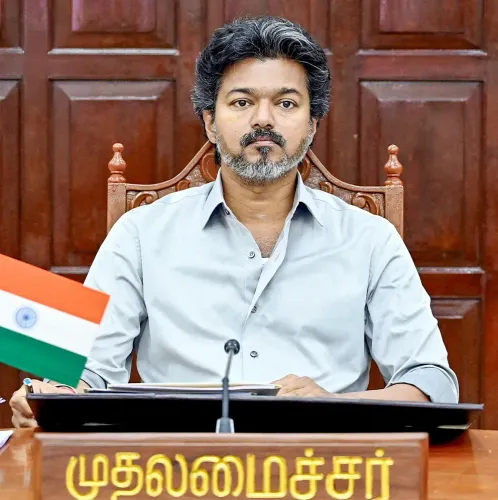
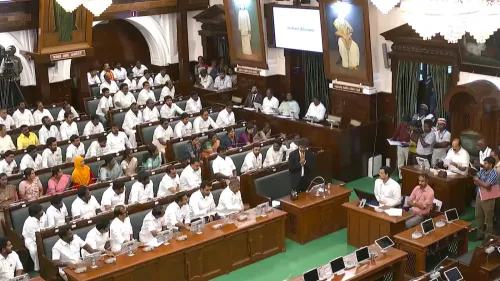
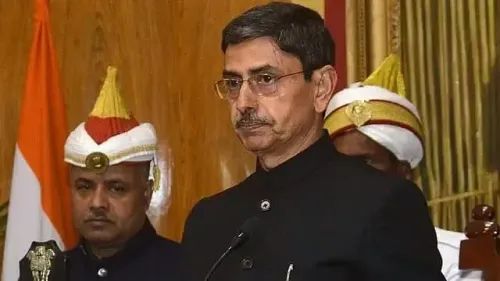
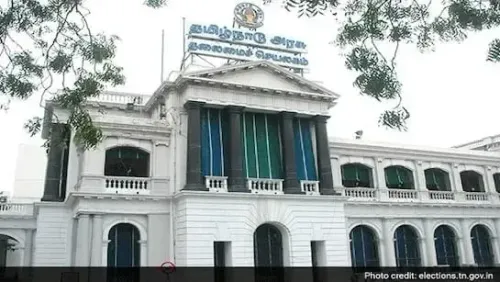
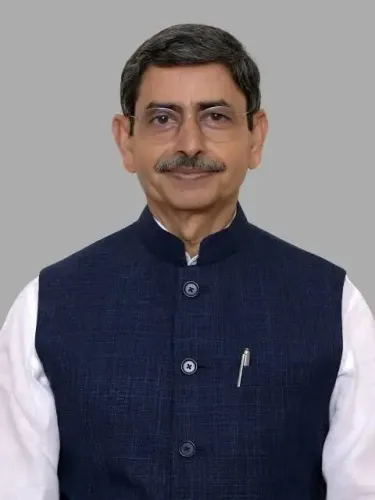
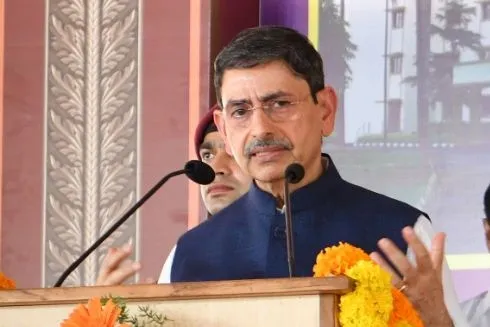
The Tamil Nadu Legislative Assembly is set to convene on 18 June, with Governor Rajendra Arlekar scheduled to deliver the customary inaugural address to members. Ahead of the session, political attention has sharpened around whether the opening proceedings will pass without incident — or ignite another confrontation between Lok Bhavan and the Chief Minister C. Joseph Vijay-led TVK government over the ceremonial sequencing of Vande Mataram, the National Anthem, and Thamizhthai Vaazhthu at official state functions.
Background: A Recurring Protocol Dispute
What was once a routine constitutional formality has, in recent years, grown into a politically charged flashpoint in Tamil Nadu. During the tenure of former Governor R.N. Ravi, Assembly sessions repeatedly generated controversy, particularly over the use of national symbols and ceremonial protocol. The question of how and when the National Anthem is rendered at official events was a recurring irritant under Ravi, and the issue has resurfaced under the current administration.
At the swearing-in ceremony of Chief Minister Vijay and his Cabinet on 10 May, Thamizhthai Vaazhthu — the Tamil state invocation song — was rendered after Vande Mataram and the National Anthem, rather than at its traditional position at the start of proceedings. A similar sequence was followed at the subsequent Cabinet expansion ceremony at Lok Bhavan.
Opposition Criticism and Cultural Concerns
The revised ceremonial order drew sharp criticism from Opposition parties, notably the Dravida Munnetra Kazhagam (DMK) and several of its allies, who argued that Thamizhthai Vaazhthu should retain its customary place at the beginning of official state functions. Opposition leaders accused the government of diluting Tamil cultural identity by relegating the state invocation to a secondary position in the ceremonial order.
The Kerala Parallel and Governor Arlekar's Stance
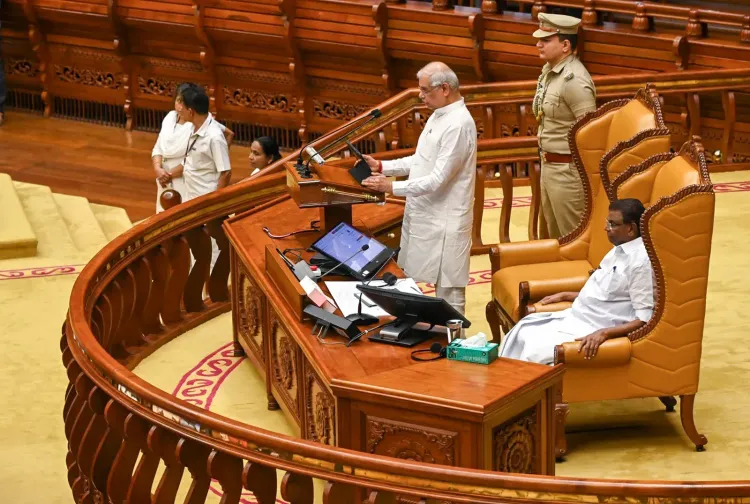
Recent developments in neighbouring Kerala have added a fresh dimension to the debate. During the opening session of the Kerala Legislative Assembly in May, only an abridged version of Vande Mataram was played before and after the Governor's address — a practice that reportedly drew objections from Governor Arlekar, who holds concurrent charge of Kerala. Kerala Chief Minister V.D. Satheesan defended the convention, stating that no law mandates a full rendition of Vande Mataram and that the state had adhered to its established practice.
The parallel is significant: Arlekar is now the common constitutional authority in both states where the anthem-protocol dispute has surfaced, making his conduct at the Tamil Nadu session on 18 June closely watched.
Government's Legal Position and Centre's Circular
Tamil Nadu ministers, including Aadhav Arjuna, have indicated that the state government has already raised the issue with the Governor and is examining legal options in response to a Union Home Ministry circular issued in January. The government maintains that the circular does not prohibit state invocation songs such as Thamizhthai Vaazhthu from being placed at the beginning of official functions.
The matter was also raised by Chief Minister Vijay during his meeting with Prime Minister Narendra Modi in New Delhi on 27 May. Vijay reportedly sought a clarification or amendment to the Union government's guidelines to ensure that state invocation songs can continue to occupy their traditional ceremonial position at government events.
What to Watch on June 18
The Governor's address on 18 June is expected to draw attention well beyond the government's stated legislative agenda. Observers will be watching for signs of whether the protocol dispute has been quietly resolved through back-channel negotiations — or whether the session will mark another visible flashpoint between Lok Bhavan and the state government. This is the first Assembly session under the Vijay administration, making the ceremonial optics particularly consequential.
Point of View
Yet Tamil Nadu is signalling it will push back — a posture that mirrors Kerala's defiance. What is striking is that Governor Arlekar, the common constitutional link between both confrontations, has reportedly taken a firmer line on anthem protocol than his predecessor R.N. Ravi did on comparable issues in Kerala. If the 18 June session passes without incident, it will suggest a quiet accommodation; if it does not, the dispute will almost certainly reach the courts — and set a precedent that affects every state with its own invocation tradition.
NationPress
24 Oct 2026
Frequently Asked Questions
Why is the Tamil Nadu Assembly session on 18 June significant?
It is the first Assembly session under Chief Minister C. Joseph Vijay's TVK-led government, and it comes amid an unresolved dispute over the ceremonial order of Thamizhthai Vaazhthu, Vande Mataram, and the National Anthem at official state functions. Governor Rajendra Arlekar's conduct at the session is being closely watched given a parallel controversy in Kerala.
What is the Thamizhthai Vaazhthu protocol dispute?
The dispute centres on whether the Tamil state invocation song, Thamizhthai Vaazhthu, should be rendered at the beginning of official functions — its traditional position — or after Vande Mataram and the National Anthem, as was done at CM Vijay's swearing-in on 10 May. Opposition parties, including the DMK, have criticised the new sequence as a dilution of Tamil cultural identity.
What happened in Kerala that is relevant to Tamil Nadu?
During the Kerala Assembly's opening session in May, only an abridged version of Vande Mataram was played, reportedly drawing objections from Governor Arlekar, who also holds charge of Kerala. Kerala CM V.D. Satheesan defended the practice, saying no law requires a full rendition. The episode has raised expectations about how Arlekar will handle a similar situation in Tamil Nadu.
What is the Union Home Ministry circular and why does it matter?
A Union Home Ministry circular issued in January is at the centre of the legal debate. The Tamil Nadu government maintains that the circular does not prohibit state invocation songs from being placed at the start of official functions, and is examining legal options in response. CM Vijay also raised the matter with PM Modi in New Delhi on 27 May, reportedly seeking a clarification or amendment to the guidelines.
Who has been involved in raising this issue with the Centre?
Tamil Nadu ministers, including Aadhav Arjuna, have said the state has engaged with the Governor on the matter. Chief Minister C. Joseph Vijay raised it directly with Prime Minister Narendra Modi during a meeting in New Delhi on 27 May, seeking a modification to Union government guidelines to protect the traditional ceremonial status of Thamizhthai Vaazhthu.