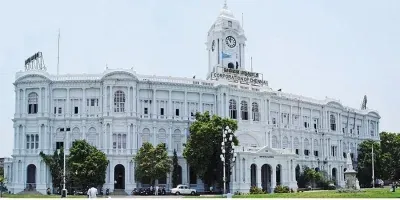
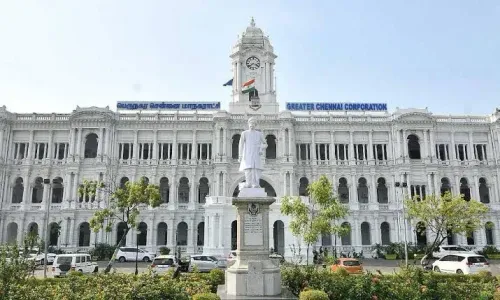
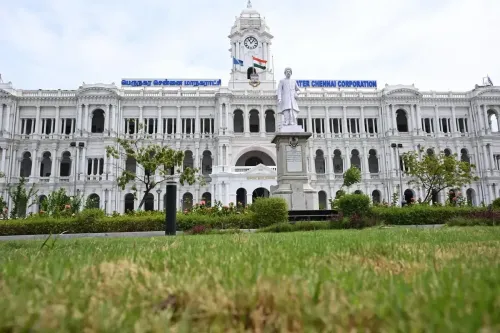
GCC extends property tax drive to July 31; 7.25 lakh Chennai owners yet to pay
Synopsis
More than half of Chennai's 14.23 lakh assessed property owners have not paid their taxes, forcing the GCC to extend its collection drive by two weeks to 31 July. With ₹1,800 crore in annual revenue at stake — and only ₹96 crore recovered in the first 12 days of camps — the civic body is racing against the clock to fund the city's roads, drains, and waste services.
Key Takeaways
The Greater Chennai Corporation (GCC) has extended its property tax collection drive to 31 July , from the original deadline of 17 July .
7.25 lakh property owners — out of 14.23 lakh assessed — have not yet paid their dues.
Special camps running since 3 July collected approximately ₹96 crore between 3–15 July .
Property tax generates around ₹1,800 crore annually for the GCC, funding roads, drainage, waste management, and street lighting.
Defaulters face penal interest if dues are not cleared by 31 July .
Payment can be made online via the GCC portal or at any of the 15-zone collection camps.
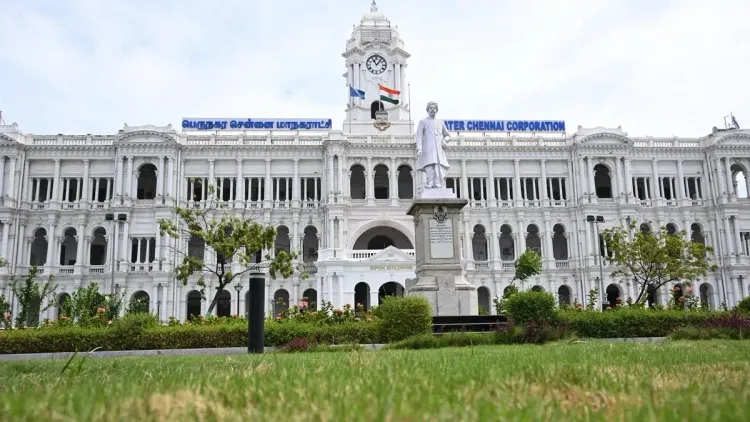
The Greater Chennai Corporation (GCC) has extended its special property tax collection drive until 31 July after 7.25 lakh property owners — nearly half of all assessed properties in the city — remained in default as of 16 July. The civic body, which depends on property tax for roughly ₹1,800 crore in annual revenue, intensified its outreach across all 15 zones of Chennai to close the gap before the revised deadline.
Scale of the Shortfall
Of the 14.23 lakh properties assessed under the GCC, only 6.98 lakh owners have cleared their dues for the current assessment period. The remaining 7.25 lakh defaulters represent more than 50% of the total assessed base — a figure that prompted the corporation to act rather than let the original 17 July deadline pass without adequate collection.
Between 3 July and 15 July, the special camps collected approximately ₹96 crore, indicating a measurable response from residents but leaving a substantial outstanding amount still unrecovered.
How the Extended Drive Will Work
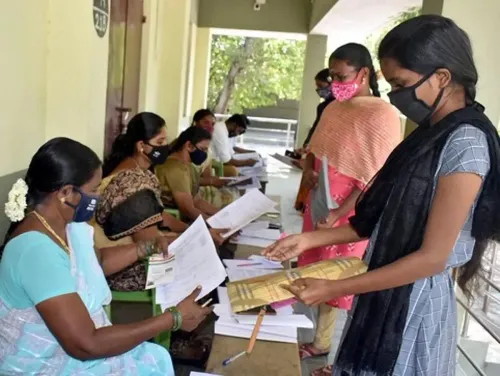
The special collection camps, which were launched on 3 July, will now operate through 31 July across all 15 administrative zones of the city. Corporation staff have been directed to ramp up awareness efforts and actively encourage residents to settle dues before the new deadline.
Officials have cautioned that property owners who fail to pay by 31 July will be liable for penal interest on outstanding amounts. Residents can pay online through the GCC's official portal or in person at any of the designated collection camps.
Why Property Tax Revenue Matters
Property tax is one of the Greater Chennai Corporation's primary revenue streams, generating around ₹1,800 crore annually. These funds directly finance essential civic services — including solid waste management, road maintenance, street lighting, stormwater drainage, and public parks — making timely collection critical to the uninterrupted delivery of urban services across the city.
Notably, the extension reflects a broader challenge facing urban local bodies in Tamil Nadu and across India: property tax compliance remains structurally low despite digitalisation of payment channels, and collection drives have become a near-annual feature in major cities.
What Defaulters Should Do Next
The GCC has urged all 7.25 lakh defaulting property owners to utilise the extended window and clear their dues before 31 July to avoid penal charges. Officials stressed that timely payment is essential for sustaining the quality of civic infrastructure and public amenities that residents rely on daily.
With two weeks remaining in the extended drive, the corporation's ability to close the compliance gap will be closely watched as a test of its revenue mobilisation capacity heading into the second half of the financial year.
Point of View
Then scramble with drives and deadline extensions. The real question is structural: with digital payment options available, why does compliance remain below 50% at the midpoint of the collection window? The ₹96 crore recovered in 12 days of camps is encouraging, but it represents barely 5% of annual property tax revenue. Without enforcement follow-through — including actual levy of penal interest and, where warranted, attachment proceedings — the extension risks becoming a soft signal to defaulters that deadlines are negotiable.
NationPress
16 Jul 2026
Frequently Asked Questions
Why has the Greater Chennai Corporation extended its property tax drive to 31 July?
The GCC extended the drive because 7.25 lakh property owners — more than half of the 14.23 lakh assessed in Chennai — had not paid their dues by the original 17 July deadline. The extension gives residents two additional weeks to pay and helps the corporation recover more of its annual ₹1,800 crore property tax revenue.
How much has the GCC collected so far in the special camps?
Between 3 July and 15 July, the GCC collected approximately ₹96 crore through its special collection camps operating across all 15 zones of the city. A substantial outstanding amount remains to be recovered before the 31 July deadline.
What happens if I don't pay my Chennai property tax by 31 July?
Property owners who fail to clear dues by 31 July will be liable for penal interest on the outstanding amount, according to GCC officials. The corporation has urged all defaulters to pay before the deadline to avoid additional financial penalties.
How can Chennai residents pay their property tax?
Residents can pay property tax online through the Greater Chennai Corporation's official portal or visit any of the special collection camps operating across the city's 15 administrative zones through 31 July.
What is Chennai's property tax revenue used for?
Property tax is one of the GCC's primary revenue sources, generating around ₹1,800 crore annually. The funds are used to maintain essential civic services including solid waste management, road maintenance, street lighting, stormwater drainage, and public parks across Chennai.