Tamil Nadu seeks GI tags for 10 farm products, allocates ₹30 lakh

Synopsis
Tamil Nadu is pushing for GI tags on 10 regionally distinct farm products — from Ooty Garlic to Cuddalore Vettiver — with ₹30 lakh set aside for the process. Paired with ₹11.64 crore in seed storage infrastructure and a ₹60 lakh chilli trial programme, this is one of the state's most comprehensive single-day agricultural policy announcements in recent memory.
Key Takeaways
Tamil Nadu will seek GI tags for 10 agricultural products , with ₹30 lakh allocated for documentation and research.
Products include Ooty Garlic , Manapparai Brinjal , Chidambaram Black Gram , Cuddalore Vettiver , and six others spread across multiple districts.
Nine seed storage godowns will be built across seven districts at a cost of ₹11.64 crore to protect seed quality.
Fibrizer upgrades at two cooperative sugar mills will cost ₹8.58 crore , aimed at improving sugar recovery and reducing bagasse loss.
A ₹60 lakh high-pungency chilli trial programme will cover six rain-deficient districts in southern Tamil Nadu.
The Tamil Nadu government has announced plans to seek Geographical Indication (GI) tags for 10 agricultural products known for their distinctive qualities and deep regional roots, Agriculture Minister R. Vinoth said on 1 September. The state has earmarked ₹30 lakh to cover documentation, research, and procedural requirements for securing the registrations.
The 10 Products Shortlisted for GI Recognition
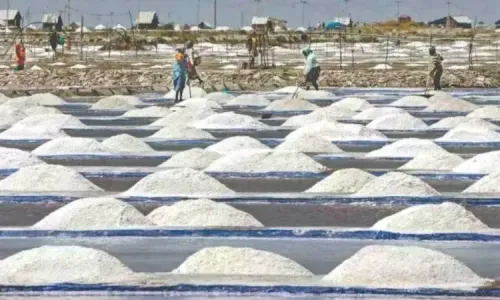
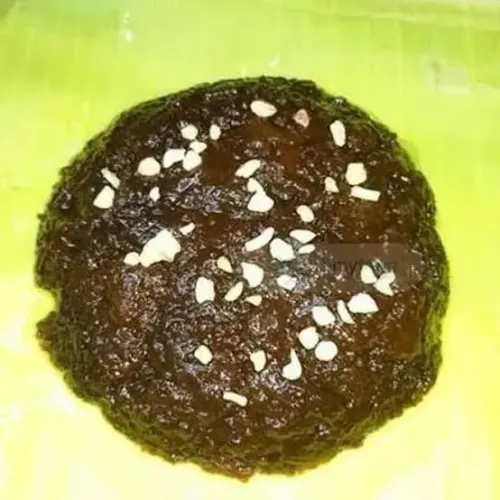
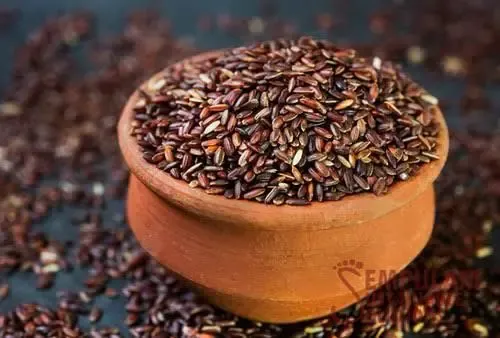
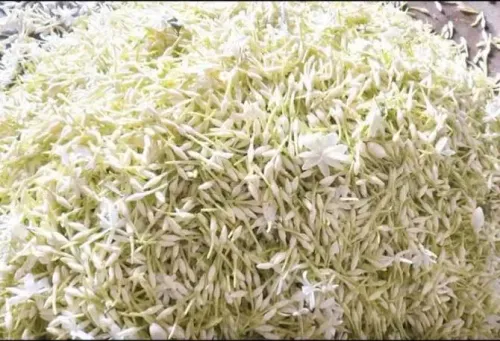
The products selected span multiple districts across Tamil Nadu: Kancheepuram Parimilagai, Poyyur Kathiri from Nagapattinam, Chidambaram Black Gram, Karumandurai Kadukkai, Thiruvaiyaru Elai Vazhai, Eraiyur Karunai Kilangu, Cuddalore Vettiver, Manapparai Brinjal, Ooty Garlic, and Javvadhu Pei Sesame.
A GI tag formally identifies a product as originating from a specific geographical area and acknowledges the special characteristics, reputation, or production methods tied to that location. Once registered, the tag prevents commercial misuse of the product name and strengthens branding for local farmers and producer groups.
Why This Initiative Matters for Farmers
The push is intended to protect the cultural and agricultural identity of these traditional products while improving their market visibility. Notably, GI-tagged products typically command premium pricing in domestic and export markets — a direct economic benefit for smallholder cultivators who have historically lacked branding leverage.
This comes amid a broader national trend of states aggressively pursuing GI registrations to protect regional produce. Tamil Nadu already holds GI tags for products such as Kancheepuram silk and Thanjavur paintings, and this agricultural push signals an intent to extend that protection to farm-level commodities.
Seed Storage Infrastructure and Sugar Mill Upgrades
Beyond the GI drive, Minister Vinoth announced the construction of nine seed storage godowns across seven districts at a total cost of ₹11.64 crore. The facilities are designed to preserve seed quality, germination capacity, and vigour of seeds procured directly from farmers.
Two godowns will come up at Kattuthottam and Pattukkottai in Thanjavur district. The remaining facilities will be built at Nagamangalam in Mayiladuthurai, Vellalaviduthi in Pudukkottai, Papparapatti in Dharmapuri, Danishpet in Salem, Madathukulam in Tiruppur, and Kanchikudikadu and Keerandhi in Tiruvarur district.
The state will also install swing-type fibrizer units with motors at the Kallakurichi-I Cooperative Sugar Mill in Moongilthuraipattu and the Tiruttani Cooperative Sugar Mill in Thiruvalangadu, at a combined cost of ₹8.58 crore. The upgrades are expected to reduce sugar loss through bagasse and improve overall recovery rates at both mills.
High-Pungency Chilli Trials in Rain-Deficient Districts
Minister Vinoth also unveiled a ₹60 lakh programme for trial cultivation of high-pungency chilli varieties under irrigated conditions. The initiative targets Virudhunagar, Thoothukudi, Sivaganga, Ramanathapuram, Tenkasi, and Tirunelveli — districts where erratic and insufficient rainfall frequently disrupts chilli production.
The trials aim to identify varieties and cultivation practices that can sustain farmer productivity despite unpredictable monsoon patterns, with findings expected to inform wider adoption across the state's chilli-growing belt.
Point of View
But the real challenge lies in post-registration enforcement and market linkage — two areas where past state GI efforts across India have often stalled. A ₹30 lakh outlay covers documentation, not promotion; without dedicated marketing support, GI tags risk becoming certificates that farmers hold but cannot monetise. The chilli trial programme addresses a genuine agronomic gap in rain-shadow districts, but six districts is a narrow pilot for a crop that defines livelihoods across southern Tamil Nadu. The seed godown network is arguably the most structurally sound of the three announcements — cold-chain and storage gaps cost Indian farmers an estimated 10-15% of produce value annually, and fixing that at source is more durable than branding alone.
NationPress
1 Sept 2026
Frequently Asked Questions
Which 10 agricultural products will get GI tags from Tamil Nadu?
The 10 products are Kancheepuram Parimilagai, Poyyur Kathiri (Nagapattinam), Chidambaram Black Gram, Karumandurai Kadukkai, Thiruvaiyaru Elai Vazhai, Eraiyur Karunai Kilangu, Cuddalore Vettiver, Manapparai Brinjal, Ooty Garlic, and Javvadhu Pei Sesame. The Tamil Nadu government has set aside ₹30 lakh to complete documentation and research for the registrations.
What is a Geographical Indication (GI) tag and why does it matter for farmers?
A GI tag is a legal recognition that a product originates from a specific geographical area and carries qualities or a reputation linked to that origin. For farmers, it prevents commercial misuse of the product name and typically enables premium pricing in domestic and export markets.
How much is Tamil Nadu spending on the new seed storage godowns?
The state is investing ₹11.64 crore to build nine seed storage godowns across seven districts. The facilities are designed to maintain seed quality, germination capacity, and vigour of seeds procured from farmers.
What are the sugar mill upgrades announced by Agriculture Minister Vinoth?
Swing-type fibrizer units fitted with motors will be installed at the Kallakurichi-I Cooperative Sugar Mill in Moongilthuraipattu and the Tiruttani Cooperative Sugar Mill in Thiruvalangadu at a combined cost of ₹8.58 crore. The upgrade is expected to reduce sugar loss through bagasse and improve recovery rates.
Which districts are covered under the high-pungency chilli trial programme?
The ₹60 lakh trial programme will be implemented in Virudhunagar, Thoothukudi, Sivaganga, Ramanathapuram, Tenkasi, and Tirunelveli — districts where erratic rainfall frequently disrupts chilli cultivation. The trials aim to identify varieties suited to irrigated conditions in these rain-deficient areas.