Tamil Nadu's health paradox: 99.7% institutional births, but obesity and diabetes surge
Synopsis
Tamil Nadu has nearly eliminated out-of-hospital births, but the NFHS-6 data reveals a state caught in a health paradox: world-class delivery infrastructure coexisting with some of India's highest obesity and diabetes rates. With 44.2% of women overweight and C-section rates nearly double the national average, the state's next public health battle will be fought not in labour wards but in lifestyle clinics.
Key Takeaways
Tamil Nadu recorded an institutional delivery rate of 99.7 per cent in NFHS-6 (2023-24) , against a national average of 90.6 per cent .
44.2 per cent of women aged 15–49 in the state are overweight or obese — up from 40.5 per cent and well above the national average of 30.7 per cent .
25.2 per cent of women and 26.7 per cent of men have high or very high blood sugar levels, both exceeding national benchmarks.
Caesarean section deliveries stand at 46.9 per cent , nearly double the national average of 27.2 per cent .
First-trimester pregnancy registrations have declined from 77.4 per cent to 71.2 per cent , raising concerns about antenatal care quality.
Former WHO Chief Scientist Dr Soumya Swaminathan has called for a stronger focus on prevention and early diagnosis in primary healthcare.
Tamil Nadu has cemented its position as one of India's top-performing states in maternal and child healthcare, with 99.7 per cent of births now taking place in medical institutions — far above the national average of 90.6 per cent. Yet the state's next public health crisis is already taking shape, as obesity, diabetes, and other non-communicable diseases rise sharply, according to the National Family Health Survey (NFHS-6, 2023-24).
Maternal Healthcare: A Near-Universal Achievement
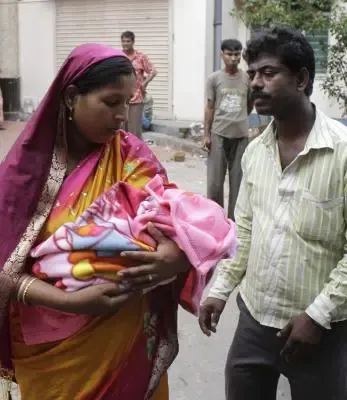
Institutional delivery rates in Tamil Nadu have reached near-universal coverage, with rural areas recording 99.6 per cent and urban areas 99.8 per cent — a parity that underscores the strength and reach of the state's public health infrastructure. These figures represent a sustained, decades-long investment in primary and secondary healthcare delivery.
However, the same survey flags a troubling decline in antenatal care quality. First-trimester pregnancy registrations have slipped from 77.4 per cent to 71.2 per cent, while the proportion of women completing at least four antenatal visits has dropped from 90.6 per cent to 87.6 per cent. Health specialists caution that while women are ultimately reaching hospitals for childbirth, delayed prenatal care could compromise long-term maternal and child health outcomes.
Obesity and Diabetes: The Emerging Crisis
Tamil Nadu now ranks among the most obese states in the country. According to NFHS-6 data, 44.2 per cent of women aged 15–49 are overweight or obese — up from 40.5 per cent in the previous survey and well above the national average of 30.7 per cent. In urban areas, nearly one in every two women falls into this category. Among men, the figure stands at 38.8 per cent, compared with the national average of 27.3 per cent.
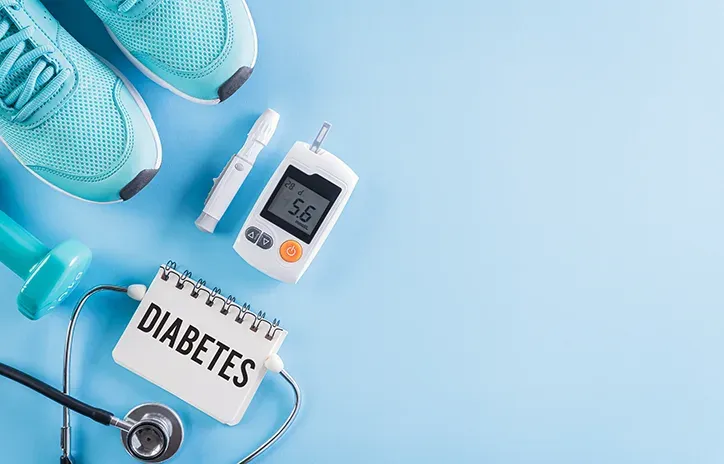
The metabolic consequences are already visible. Approximately 25.2 per cent of women and 26.7 per cent of men in the state have high or very high blood sugar levels — both exceeding national averages. Public health experts warn that unchecked, these trends will drive higher hospitalisation rates, escalating healthcare costs, and a rising burden of premature deaths in the years ahead.
C-Section Rates and Gestational Complications
The survey also points to a steep rise in caesarean deliveries. Nearly 46.9 per cent of births in Tamil Nadu are now delivered via caesarean section, compared to the national average of 27.2 per cent. Healthcare professionals attribute part of this increase to timely surgical interventions that have helped reduce maternal and infant mortality. However, rising rates of gestational diabetes and pregnancy-induced hypertension — both linked to the broader obesity trend — are also contributing factors.
What Experts Are Saying
Former World Health Organisation Chief Scientist Dr Soumya Swaminathan has emphasised the urgency of strengthening primary healthcare systems, with a focus on prevention, early diagnosis, and timely intervention. While investments in advanced tertiary care remain important, she has said that preventing disease before it progresses into a serious condition must be the priority. This comes amid a broader national pattern in which urbanisation and dietary shifts are driving non-communicable disease burdens in states that have already resolved first-generation public health challenges.
What Tamil Nadu Must Address Next
The NFHS-6 findings suggest the state's public health agenda is shifting from access to quality and prevention. The challenge ahead is no longer getting women to hospitals — it is ensuring they arrive healthier, earlier, and with better prenatal support. Simultaneously, a population-level response to obesity and diabetes, including community screening programmes and dietary interventions, will be critical to containing costs and mortality over the next decade.
Point of View
It faces a population that is increasingly overweight, diabetic, and underserved on prevention. A C-section rate of 46.9 per cent — nearly double the national average — deserves scrutiny beyond clinical necessity; rising gestational diabetes and obesity are structural drivers, not just medical ones. The decline in first-trimester registrations is a quiet warning sign that the antenatal care pipeline, once a model for other states, is losing momentum. Tamil Nadu's health system is built for acute intervention; the next decade will test whether it can pivot to chronic disease management and prevention at scale.
NationPress
25 Sept 2026
Frequently Asked Questions
What does NFHS-6 say about Tamil Nadu's institutional delivery rate?
According to NFHS-6 (2023-24), Tamil Nadu has achieved an institutional delivery rate of 99.7 per cent, significantly above the national average of 90.6 per cent. Both rural (99.6%) and urban (99.8%) areas show near-identical coverage, reflecting the state's extensive healthcare network.
How serious is the obesity problem in Tamil Nadu?
Tamil Nadu ranks among the most obese states in India, with 44.2 per cent of women aged 15–49 classified as overweight or obese — up from 40.5 per cent in the previous survey and well above the 30.7 per cent national average. Among men, 38.8 per cent are overweight or obese, compared to 27.3 per cent nationally.
Why is Tamil Nadu's caesarean section rate so high?
Tamil Nadu's C-section rate stands at 46.9 per cent, nearly double the national average of 27.2 per cent. Healthcare professionals link part of the increase to timely surgical interventions that reduce maternal and infant mortality, but rising gestational diabetes and pregnancy-induced hypertension — both tied to higher obesity rates — are also contributing factors.
What is happening to antenatal care in Tamil Nadu?
Antenatal care indicators have declined in Tamil Nadu. First-trimester pregnancy registrations have fallen from 77.4 per cent to 71.2 per cent, and the share of women completing at least four antenatal visits has dropped from 90.6 per cent to 87.6 per cent. Experts warn this could undermine maternal and child health outcomes despite high delivery rates.
What do health experts recommend for Tamil Nadu's rising NCD burden?
Former WHO Chief Scientist Dr Soumya Swaminathan has called for strengthening primary healthcare with a focus on prevention, early diagnosis, and timely intervention. Public health experts broadly argue that community-level screening for diabetes and obesity, alongside dietary and lifestyle programmes, must become a state priority to contain future hospitalisation costs and premature deaths.