Is Gujarat on the Path to a Legacy Waste-Free State by March?
Click to start listening
Synopsis
Gujarat is setting impressive benchmarks in waste management, aiming for 100% legacy waste disposal by March 2026. This initiative not only enhances urban living but also emphasizes the potential of urbanization as an opportunity for growth.
Key Takeaways
- Gujarat targets 100% legacy waste disposal by March 2026.
- 304.09 lakh metric tonnes of legacy waste identified.
- 273.33 lakh metric tonnes disposed of effectively.
- 902 acres of land reclaimed for productive use.
- Nirmal Gujarat 2.0 scheme supports waste management initiatives.
Gandhinagar, Jan 3 (NationPress) Gujarat is not only thriving in development metrics but also setting benchmarks in waste management, with a commitment to achieve 100% legacy waste disposal within the next two months. The state government is firmly progressing towards a legacy waste-free Gujarat, aiming for complete waste disposal by March 2026, aspiring to make urban areas greener, cleaner, and more livable, under the belief that urbanization presents an opportunity rather than a challenge.
Currently, 304.09 lakh metric tonnes of legacy waste has been identified in urban regions, with 273.33 lakh metric tonnes having been responsibly disposed of to date. The government has ramped up its cleaning efforts and is determined to achieve 100% legacy waste remediation by March 2026.
The Urban Development Department is concentrating on enhancing cleanliness, establishing modern and sustainable infrastructure, and improving the quality of life for urban residents, playing a pivotal role in urban advancement. Gujarat has notably outperformed other major states in the scientific disposal of legacy waste accumulated in dumping sites.
Effective management of legacy waste is essential for urban progress, as it not only diminishes pollution and health risks but also transforms reclaimed land into productive areas, thereby facilitating development initiatives and increasing green spaces.
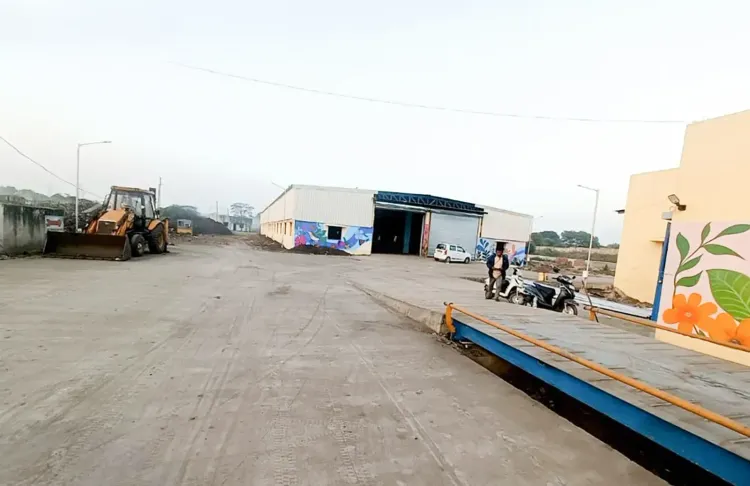
By clearing municipal dumpsites, the state government has reclaimed an estimated 902 acres of land, which will be utilized for productive purposes, including the construction of processing facilities.
Significantly, authorities have successfully managed the scientific disposal of the Bopal-Ghuma dump site in Ahmedabad and the Nakravadi dump site in Rajkot, establishing a Miyawaki forest. This scientific approach has drastically cut down methane emissions and effectively tackled the issues resulting from waste incineration at these locations.
"The state government is making significant strides in enhancing environmental conservation, public health, and urban development through the scientific disposal of accumulated legacy waste in cities," stated a government representative.
Under the Nirmal Gujarat 2.0 initiative, Rs 75 crore has been earmarked for Urban Local Bodies to manage legacy waste. This initiative aligns with the Swachh Bharat Mission Urban 2.0 and is propelling the state towards achieving Garbage Free Cities.
Point of View
Gujarat's proactive approach to waste management is commendable. The state's commitment to achieving a legacy waste-free environment reflects not just a responsibility but an opportunity for urban advancement. As cities across India grapple with waste management challenges, Gujarat's model serves as an example of effective governance focused on sustainability and public health.
NationPress
03/01/2026
Frequently Asked Questions
What is the target for legacy waste disposal in Gujarat?
Gujarat aims for 100% legacy waste disposal by March 2026.
How much legacy waste has been disposed of so far?
273.33 lakh metric tonnes of legacy waste has been scientifically disposed of to date.
What are the benefits of effective legacy waste management?
Effective legacy waste management reduces pollution, eliminates health risks, and transforms reclaimed land into productive spaces.
How much land has been reclaimed by the state government?
The state government has reclaimed approximately 902 acres of land through waste management efforts.
What is the Nirmal Gujarat 2.0 scheme?
The Nirmal Gujarat 2.0 scheme allocates Rs 75 crore for Urban Local Bodies to enhance legacy waste management.