How Did J&K L-G Pay Tribute to the Legendary Warrior Zorawar Singh?
Synopsis
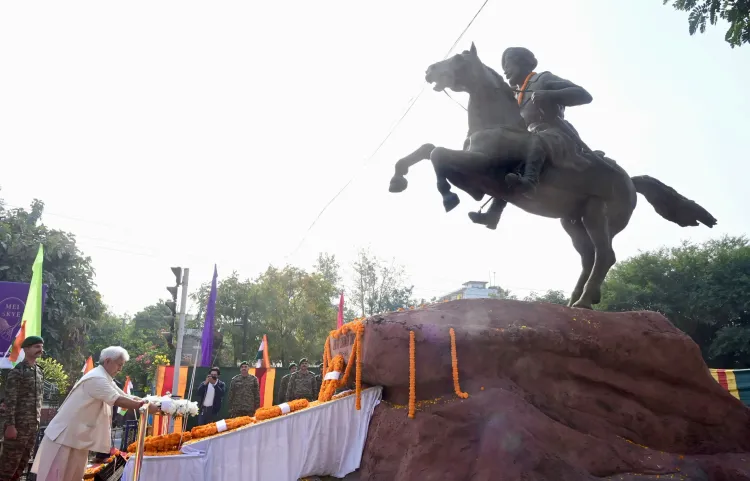
On the occasion of the 184th death anniversary of General Zorawar Singh, Lt Governor Manoj Sinha paid homage to the legendary Dogra warrior, praising his courage and vision that continues to inspire generations. Discover more about Zorawar Singh’s remarkable legacy and the impact he has had on the region.
Key Takeaways
Zorawar Singh was a key military figure in the Dogra dynasty.
He expanded territories through significant conquests.
His strategies in mountain warfare are still studied today.
He is honored as a symbol of valor and dedication .
His legacy continues to inspire generations.
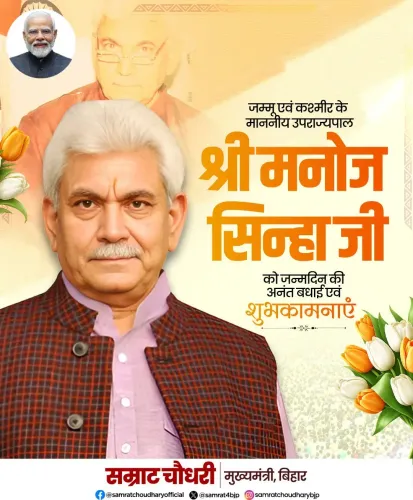
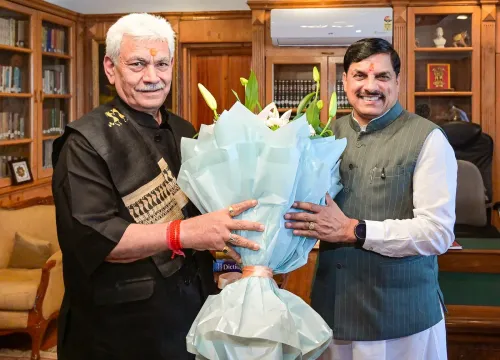
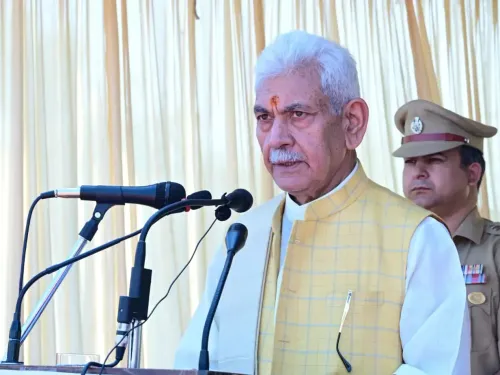
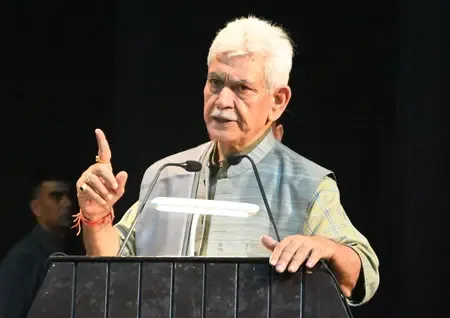
Jammu, Dec 12 (NationPress) The Lieutenant Governor of Jammu and Kashmir, Manoj Sinha, on Friday honored the esteemed Dogra warrior, Late General Zorawar Singh, for his bravery, vision, and dedication to greater ideals on the occasion of his 184th death anniversary.
“His profound vision has motivated countless generations, sparking passion and uniting people towards a common goal, demonstrating courage, purpose, and a commitment to significant ideals. We are called to embrace his message for moral clarity and steadfast determination to forge a brighter future while uplifting the underprivileged. Let us commit ourselves to transforming lives, mentoring youth, and fostering a more equitable and peaceful society,” L-G Sinha expressed on his X handle.
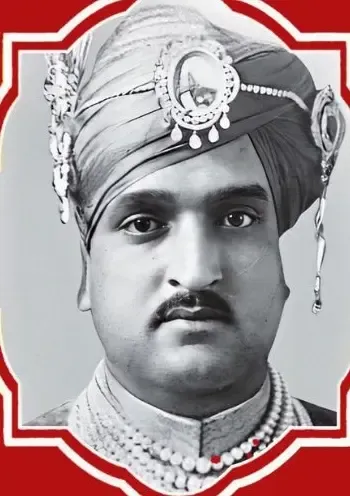
Zorawar Singh served as a military general under the Dogra Rajput monarch, Gulab Singh, during his reign as the Raja of Jammu under the Sikh Empire.
Born into the Chandel Rajput lineage in the princely state of Bilaspur, now part of Himachal Pradesh, he held the position of governor (wazir-e-wazarat) of Kishtwar. His military prowess expanded the kingdom’s territories through the conquest of Ladakh and Baltistan.
He is celebrated for his ability to maneuver through the treacherous, snow-covered Himalayan terrain and was acknowledged as a specialist in mountain warfare.
His endeavors to seize Western Tibet culminated in his death during the battle of To-yo amidst the Dogra-Tibetan conflict on this day in 1841.
Due to his significant contributions in the Himalayan conquests, Zorawar Singh is often referred to as the “Conqueror of Ladakh”.
In his honor, the Zorawar LT, an Indian light tank, bears his name.
Official documentation from the Sikh Empire indicates that Zorawar Singh commanded a personal battalion of 875 soldiers, receiving a monthly salary of Rs 7,604.
Despite Kishtwar being a newly acquired region, Zorawar effectively maintained peace and integrated many local Rajputs into his army.
In 1835, he successfully captured the neighboring area of Paddar from Chamba (currently in Himachal Pradesh) during a military engagement.
Over time, Zorawar Singh has emerged as a representation of valor, determination, and dedication for the Dogras of the Jammu region.
Point of View
It's vital to recognize the contributions of historical figures like Zorawar Singh, whose legacy of courage and leadership resonates in contemporary society. His story not only enriches our understanding of Jammu and Kashmir's history but also exemplifies the values of commitment and empowerment that we should all aspire to uphold.
NationPress
23 Oct 2026
Frequently Asked Questions
Who was General Zorawar Singh?
General Zorawar Singh was a prominent Dogra warrior and military general known for his conquests in Ladakh and Baltistan during the 19th century.
What did Lt Governor Manoj Sinha say about Zorawar Singh?
Lt Governor Manoj Sinha praised Zorawar Singh for his vision and courage, emphasizing the importance of his ideals in shaping a better future.
What is the significance of Zorawar Singh's contributions?
Zorawar Singh is celebrated for his military campaigns in the challenging Himalayan terrain and is referred to as the 'Conqueror of Ladakh' for his efforts.
When did Zorawar Singh die?
Zorawar Singh died in the battle of To-yo during the Dogra-Tibetan war on December 12, 1841.
Why is Zorawar Singh remembered today?
He is remembered for his bravery, military strategy, and his role in expanding the Dogra kingdom, serving as a symbol of valor for the Dogras.