Giriraj Singh hails Tricolour hoisting in 92 Bastar villages
Synopsis
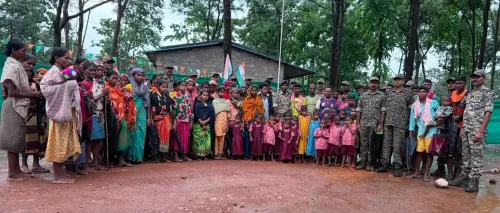
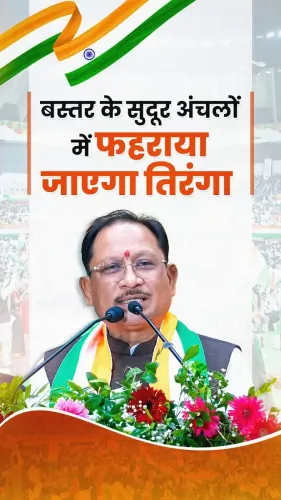
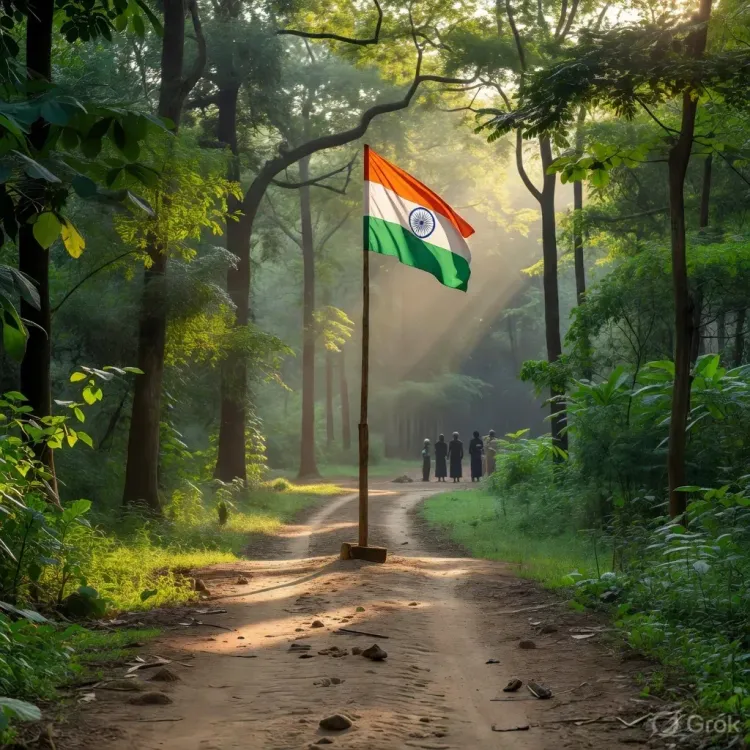
For the first time since 1947, the Tricolour is set to be hoisted in 92 Bastar villages on Independence Day, Union Textiles Minister Giriraj Singh announced. The development marks a symbolic and administrative milestone in India's decades-long effort to extend state presence into Maoist-affected southern Chhattisgarh.
Key Takeaways
92 villages in Bastar, Chhattisgarh are set to hoist the national flag on 15 August 2026 for the first time since 1947 , according to the post shared by Minister Giriraj Singh.
Bastar has been the epicentre of Left Wing Extremism in India, with Naxalite groups historically preventing state institutions from operating in remote forest villages.
Security operations since 2014 — including road-building, mobile connectivity, and expanded police presence — have progressively reduced Maoist geographic control in Chhattisgarh .
The flag-hoisting is seen as a symbolic precursor to permanent administrative infrastructure such as schools, health posts, and banking services reaching these villages.
Similar outreach events have been conducted in other cleared pockets of Chhattisgarh and neighbouring states over the past decade, but the Bastar scale would represent a significant step.
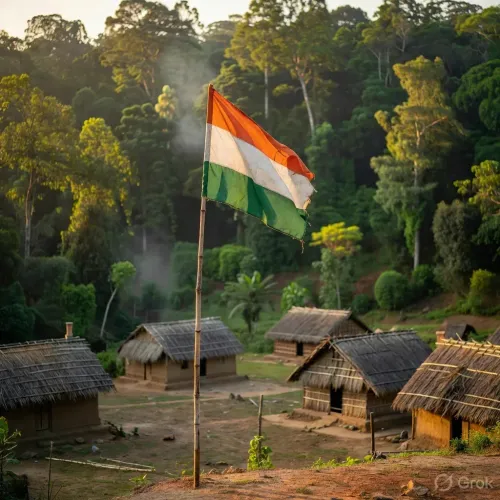
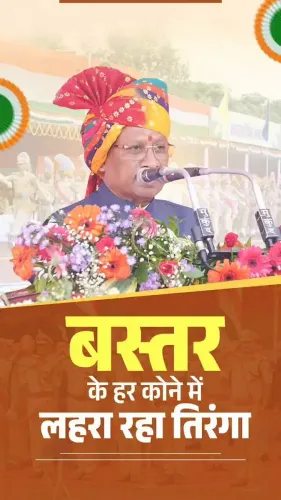
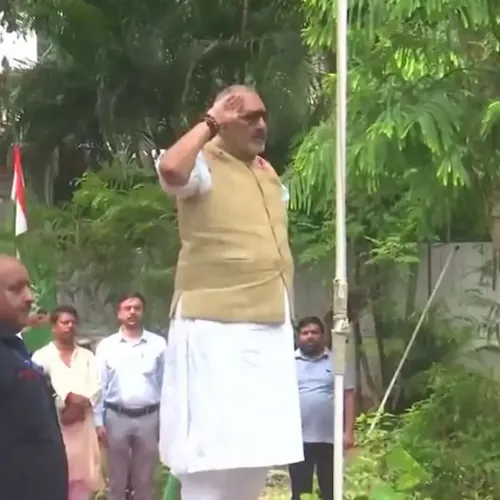
For the first time since 1947, the Tricolour is set to fly over 92 villages in Bastar this Independence Day — a moment that speaks volumes about how far India's most conflict-scarred forest belt has come. Union Textiles Minister Giriraj Singh shared the development on Wednesday, 12 August 2026, amplifying what the planned flag-hoisting represents: the slow, hard reclamation of sovereign space from decades of Maoist control.
Why Bastar's flag-free decades matter
Bastar, a sprawling division in southern Chhattisgarh, has been the heartland of Left Wing Extremism in India for more than half a century. Dense forests, poor road connectivity, and a predominantly tribal population made it fertile ground for Naxalite groups that actively prevented state institutions — including the most basic act of hoisting a national flag — from taking root in remote villages. For many of these communities, the Indian state was, for generations, an abstraction.
The planned hoisting on 15 August 2026 across these villages is being presented as a landmark in that long arc of reclamation. Whether the number stands at 92 villages or varies on the day, the symbolism cuts deep: a Tricolour rising where none has risen in living memory.
Security gains that made 15 August possible
The ground was not cleared overnight. Since 2014, the central government has channelled resources into Left Wing Extremism-affected districts — roads punched through forest corridors, mobile towers erected in cleared pockets, and police outposts pushed deeper into Maoist-held terrain. Chhattisgarh security forces, backed by central paramilitary units, have conducted sustained operations that progressively shrank the geographic footprint of armed Naxalite cadres.
Similar flag-hoisting events and administrative outreach drives have been reported in other cleared villages across Chhattisgarh and neighbouring states over the past decade — each one a data point in the government's argument that the insurgency is being rolled back. Bastar at this scale, however, would mark a qualitative step up.
What the Tricolour signals for tribal communities
For the tribal communities of Bastar, the hoisting is not merely ceremonial. It signals that local administration can now physically reach and operate in these villages — a precondition for schools, health posts, ration distribution, and legal land rights to follow. The flag is, in that sense, an advance party for the state itself.
The watch now shifts to what comes after 15 August: whether permanent administrative infrastructure — panchayat offices, connectivity, banking correspondents — follows the flag into these newly accessible villages, or whether the moment remains symbolic without structural follow-through.
A Tricolour raised for the first time in nearly eight decades is a powerful image. The harder question is what it takes root into.
Point of View
Emotionally resonant symbols of national integration. For the ruling dispensation, a Tricolour rising in a village that Maoists held for decades is a more powerful campaign image than any infrastructure statistic. The harder test, which analysts and tribal rights groups will watch closely, is whether administrative delivery — land rights, welfare schemes, legal protections — follows the flag, or whether the symbolic moment outpaces the structural reality on the ground.
NationPress
27 Sept 2026
Frequently Asked Questions
Which villages in Bastar will hoist the Tricolour for the first time on Independence Day 2026?
According to the post shared by Union Textiles Minister Giriraj Singh, 92 villages in the Bastar division of Chhattisgarh are set to hoist the national flag on 15 August 2026 for the first time since 1947. The specific village names have not been publicly listed.
Why was the Tricolour not hoisted in Bastar villages since 1947?
Bastar has been heavily affected by Left Wing Extremism for decades. Naxalite groups actively prevented state institutions, including routine administrative functions like flag-hoisting, from operating in remote forest villages, effectively keeping these areas outside the administrative reach of the Indian state.
What security changes allowed the Tricolour to be hoisted in Bastar in 2026?
Sustained security operations by Chhattisgarh police and central paramilitary forces, backed by infrastructure drives including roads and mobile connectivity since 2014, have progressively reduced Maoist control in southern Chhattisgarh, enabling state access to previously inaccessible villages.
What does the Tricolour hoisting in Bastar mean for tribal communities there?
For tribal communities in Bastar, the flag-hoisting signals that local administration can now physically reach their villages — a prerequisite for schools, health posts, ration distribution, and legal land rights to follow. It is seen as an administrative milestone beyond its symbolic value.
What is Giriraj Singh's role and why did he share this news?
Giriraj Singh is the Union Minister of Textiles and a senior BJP leader and Lok Sabha MP from Begusarai, Bihar. He frequently shares posts on national governance and party-related developments; his amplification of the Bastar news aligns with the BJP's broader messaging on reclaiming Naxal-affected territories.